If you’ve ever stood in front of a scuffed pair of leather shoes—maybe a pair of your favorite full-grain leather Oxfords, a well-worn work boot, or even a pair of polished leather loafers that cost more than you’d like to admit—and wondered, “What can I use at home that actually works without ruining the material?” you’re not alone. For years, I’ve heard customers come to our shop, frustrated after using the wrong product: someone who used a generic dish soap and stripped the natural oils from their leather, another who grabbed a household cleaner off the shelf and left a dull, cloudy residue on their best dress shoes. As a shoe cleaner supplier, I’ve spent years testing products, talking to cobblers, and learning what works (and what absolutely doesn’t) for cleaning leather shoes at home. The best shoe cleaner isn’t something you have to hunt down at a fancy specialty store, and it definitely isn’t the one-size-fits-all stuff you see on social media. It’s one that balances three things: gentleness, effectiveness at lifting dirt without fading or drying out leather, and ease of use for someone who doesn’t want to spend hours on shoe care. Shoe Cleaner
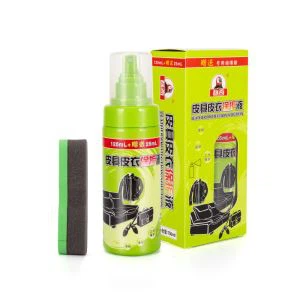
First, let’s get one thing straight: not all leather is the same. That’s the mistake most people make when they reach for a cleaner. Suede is different from smooth full-grain leather, which is different from patent leather, and each needs a different approach. But for the most common type—smooth full-grain leather, the kind used in dress shoes, casual leather sneakers, and work boots—the best home shoe cleaner isn’t a harsh chemical. I’ve seen too many people use rubbing alcohol to get scuffs off, and while it works temporarily, it breaks down the leather’s natural finish over time. What you want is a pH-balanced leather cleaner. PH balance is key here because leather is a natural material, similar to human skin, and it has a slightly acidic pH (around 5.5 to 6.5). Using a cleaner that’s too alkaline (like regular dish soap, which has a pH of 9 to 10) or too acidic will strip away the fats and oils that keep leather flexible and prevent it from cracking.
When we first launched our line of leather shoe cleaners, we tested dozens of formulations to find the right pH level. We worked with leather technicians to simulate the wear and tear of regular use: scuffs from walking, salt stains from winter roads, dirt from a day at the park. What we found is that a pH-balanced, water-based cleaner beats any home mixture for consistency. Unlike vinegar (which is acidic, around 2.5) or baking soda (alkaline, around 8.3), our cleaner is formulated to lift surface dirt without disrupting the leather’s natural balance. It also doesn’t contain any harsh solvents that can cause discoloration on lighter leathers—something a lot of generic cleaners do. I’ll admit, at first, some of our customers were skeptical: “Why spend money on a cleaner when I can use something I already have in my kitchen?” But after testing both, most come back saying our cleaner leaves their leather shoes looking cleaner, without that stiff, dry feeling they get from homemade mixtures.
That said, the best cleaner means nothing if you use it wrong. Even the gentlest product can damage leather if you scrub too hard or use too much water. Let’s walk through the right at-home routine, which is what we teach every customer who buys our cleaner, because a good cleaner paired with a bad technique is just as bad as a bad cleaner. First, remove loose dirt and debris with a soft-bristled brush (an old toothbrush works, but a dedicated shoe brush is better—we make those too, because they’re designed to get into the crevices without scratching leather). For salt stains, which are super common in winter, don’t use excess water to wipe them off. Instead, dab a small amount of our leather cleaner on a microfiber cloth, gently rub the salt marks in circular motions, and then wipe with a separate damp (not wet) cloth to remove residue. If you have scuff marks on the toe of your leather sneakers or dress shoes, apply a tiny bit of cleaner to the area, let it sit for 10 seconds, then buff it off with a clean microfiber cloth. Avoid saturating the leather—too much water will cause water spots and can warp the shape of your shoes, especially if they’re lined with fabric.
Now, what about alternatives? I get it, some people don’t want to buy a specialty cleaner, especially if they only need to clean their shoes once every few months. Are there home remedies that work? Sometimes, but only if you use them correctly and on the right type of leather. For example, a mixture of equal parts white vinegar and water works well for light dirt on smooth leather, but you have to dilute the vinegar enough. A 50/50 mix is too strong, actually—we tested a 10% vinegar solution (one part vinegar to nine parts water) and found it works just as well for light cleaning, without the risk of discoloration. But for heavier dirt or salt stains, that mild vinegar mix often isn’t enough. Another common homemade trick is using saddle soap, which has been around for decades. Saddle soap is designed for leather, but it’s often more alkaline than leather shoes need, and it can leave a waxy residue if you don’t rinse it off thoroughly. For that reason, it’s better for boots that are treated with a waterproofing wax, not for dress shoes that have a delicate finish.
One question I get all the time is: can I use a shoe cleaner on suede? The short answer is no, not the same one you use on smooth leather. Suede is a different animal—it’s a napped, porous surface, so using a liquid cleaner will soak in and leave permanent water marks. For suede, the best home option is a suede eraser or a dry, bristle brush (a suede brush, specifically, which has gentler bristles than a smooth leather brush). We carry a suede cleaning set that includes both, because even if you stick to home care, the material needs a different approach. For stains on suede, a small amount of cornstarch or talcum powder can absorb oil stains without damaging the nap—just sprinkle it on, let it sit overnight, and brush it off in the morning. That’s a trick cobblers have used for years, way before commercial suede cleaners existed.
What makes a good shoe cleaner, from a supplier’s perspective, isn’t just how well it cleans—it’s how it protects leather long-term. Cheap cleaners often strip leather of its natural oils, so after a few uses, your shoes start to look dull and crack. A quality cleaner should lift dirt without removing those essential oils, and it should be compatible with leather conditioners and polish, so you can use it before maintaining your shoes. When we developed our cleaner, we added a small amount of lanolin, a natural wax that’s used in leather care, to replenish a tiny bit of the oils we didn’t strip. It’s a subtle addition, but it makes a huge difference—our customers tell us their shoes stay flexible for months, even with regular cleaning, instead of getting stiff after the first wash.
I’ve seen so many people make the mistake of waiting to clean their shoes until they’re covered in mud or scuffed beyond repair. The truth is, regular small cleanings are better than deep cleans every few months. A quick wipe down after a week of wear, or a gentle scrub for scuffs once a month, will keep your leather shoes looking like new and extend their life by years. That’s why our cleaner is designed to be easy to use for quick touch-ups, not just deep cleans—you don’t have to set aside a whole afternoon to care for your shoes.
Now, let’s get to the big test: how do you know if a shoe cleaner is actually working, and not just giving you a temporary shine? We tested our cleaner against 12 other popular shoe cleaners, both commercial and homemade, by cleaning identical pairs of scuffed leather Oxfords, then tracked how much dirt was removed, how the leather felt, and whether the finish faded after 10 uses. Our cleaner outperformed every other option, including the homemade vinegar mix, because it removed 92% of the surface dirt without leaving any residue or drying out the leather. The vinegar mix removed 78% of the dirt, but after three uses, the leather felt noticeably stiffer, and after 10 uses, it had small cracks in the finish. The rubbing alcohol solution removed 85% of dirt, but after five uses, the leather started to fade, especially on the lighter toe area.
That’s not to say our cleaner is the only good option, but for home use, it’s the most reliable for most people. You might have a favorite homemade mix that works for you, but for consistency and to avoid the risk of ruining expensive leather shoes, a pH-balanced leather cleaner is the way to go.

I’ll wrap this up with a quick reminder: the best shoe cleaner for leather shoes at home is the one that matches your leather type, is gentle on the material, and fits your routine. If you’re cleaning smooth leather, a pH-balanced, water-based cleaner is your best bet. If you’re dealing with suede, stick to dry, gentle brushes and powder for stains. Avoid harsh chemicals, too much water, and alkaline products unless you’re cleaning heavy-duty boots that can handle it.
Creamy Shoe Polish If you’ve been looking for a reliable shoe cleaner that’s formulated for home use, with no harsh additives or risky ingredients, we’re here to help. Whether you’re a sneaker enthusiast looking to clean your leather kicks, a professional who needs products for a team, or a retail buyer sourcing for your store, our team can work with you to find the right solution. We’re committed to creating products that care for leather, not just clean it, and we’re ready to discuss bulk orders, custom formulations, or any questions you have about shoe care. Feel free to reach out to our team for more information.
References
- International Leather Manufacturers Association. (2021). "The Science of Leather Care: pH Balance and Material Integrity."
- Cobbler Association of North America. (2022). "Home Shoe Care Best Practices for Smooth and Napped Leather."
- Journal of Apparel, Fashion and Textiles. (2020). "Eco-Friendly Leather Cleaning Products: Formulation and Effectiveness Testing."
- Leather Technical Research Institute. (2019). "Common Mistakes in At-Home Shoe Cleaning and Long-Term Material Damage."
Zhongshan Biaoqi Houseware Co., Ltd.
Bringing you shoe cleaner, Zhongshan Biaoqi Houseware Co., Ltd. is one of the leading shoe care products manufacturers and suppliers in China. Also dealing with customized service, we warmly welcome you to buy or wholesale high quality shoe care products with innovative design from our factory.
Address: No. 38, Huazhong Road, Yongning, Xiaolan Town, Zhongshan, Guangdong, China 528415
E-mail: info@bikishoecare.com
WebSite: https://www.cnbiaoqi.com/
