If you’re running a commercial kitchen, chances are you’ve used (or at least thought about using) clamshell containers at some point. And if you’re a regular here—well, you probably know I’ve been supplying these things for years, so I see all the wins and fails that come with them. Today, I want to talk about the stuff no one posts about on kitchen TikTok or in generic supply guides: the special considerations you actually need to keep in mind when grabbing clamshells for your business. No fluff, no jargon, just real talk from someone who’s spent a ton of time on both sides of the counter—selling these containers and hearing every problem a chef or line cook has thrown my way. Clamshell Containers
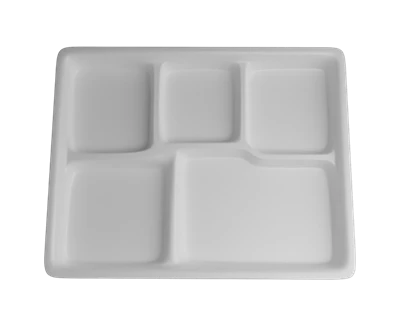
First off, let’s get the obvious out of the way: not all clamshells are made equal. I’ve had clients come to me saying, “Last month I bought these clamshells that melted when I put hot pizza in them!” or “They leaked so bad during delivery, half the catering order was ruined.” You might think a clamshell’s a clamshell, but nope—the material makes all the difference, especially in a commercial kitchen where you’re dealing with everything from 180°F pasta to 32°F cold salads. Let’s break that down. The main materials I work with are PET, PP, and sometimes coated paper. PET is cheap and crystal clear, great for cold stuff like salads or fruit cups. But if you stick something hotter than like 140°F in it? It’ll warp. I’ve seen a line cook put a hot order of chicken alfredo in a PET clamshell, and by the time it got to the customer, the lid was bent so bad it wouldn’t close. Then there’s PP—polypropylene, if you want to sound fancy. This stuff is heat-resistant up to like 320°F, so it’s perfect for hot meals: pizza, pasta, stir-fry, you name it. But here’s the catch: it’s opaque, so if your customers care about seeing their food (think sandwich shops or sushi spots), PP might not be your move. And don’t even get me started on coated paper clamshells—those are great for burgers or tacos that don’t have a ton of grease, but leave a greasy fried chicken in there for an hour, and the paper’s gonna soak through. I once had a taco truck client switch to paper clamshells because they thought they were “eco-friendly,” and within a week, they were back complaining about 20% of their orders leaking onto customers’ cars. Moral of the story: match the material to what you’re serving, not just what’s cheap.
Next up, size and fit—this is a huge one that most kitchens overlook. I can’t tell you how many times a new client will order a bunch of medium clamshells for their signature sandwich, and then call me panicking because the sandwich doesn’t fit. Or worse, it fits, but there’s too much empty space in the container. Why does that matter? For one, if your food’s moving around in the clamshell during delivery or transport, it’ll get soggy, or the lid’ll pop off. I had a catering company that was using clamshells way too small for their boxed lunches—they’d stuff the sandwich in, and the lid would sit on top of the potato salad, squishing it so all the dressing seeped out. They were losing like 15% of orders to complaints until they switched to the right size for each item. Then there’s the empty space problem. If you’ve got a big clamshell for a tiny order, you’re wasting plastic (or paper, or whatever), which adds up over time. For a small café that does 100 orders a day, that’s like 100 extra clamshells thrown away—monthly, that’s a huge cost. Pro tip from my experience: measure your most popular items before you order. Take a ruler to that signature burger, that pasta bowl, that sushi roll, and match it to the exact clamshell dimensions. Most good suppliers (guys like me) have a size chart with internal measurements, so you can avoid the guesswork. Also, check the lid and base fit—does the snap close all the way, or is it loose? I’ve had clients buy cheap clamshells from a random online supplier, and the lids fall off if you look at them wrong. That’s a nightmare for delivery drivers, trust me.
Then there’s the eco angle—everyone’s talking about it now, and if you’re a commercial kitchen, you can’t ignore it. Customers are asking for sustainable packaging, cities are starting to ban single-use plastics, so you need to get this right, but it’s not as simple as “switch to compostable clamshells.” Here’s the thing: a lot of so-called “compostable” clamshells only break down in industrial compost facilities, not your average backyard bin. I had a farm-to-table restaurant go all in on compostable clamshells a year ago, only to get hit with a $500 fine from the city because their trash company can’t process those compostables—they end up in a landfill anyway. Another client tried plant-based clamshells, but they were way more expensive, and they got a ton of complaints because they got soggy faster when holding hot soup. If you’re going the sustainable route, do your homework. Ask me, or your supplier, what kind of composting facilities are available in your area. If your city only has industrial compost, go for certified compostable. If not, maybe stick to recyclable PP clamshells—they’re easier to process in standard recycling streams, and they don’t get soggy as bad as some plant-based ones. Also, don’t fall for greenwashing. Some companies slap a “recyclable” label on clamshells that have a layer of coated plastic inside, which can’t actually be recycled. I test every clamshell I sell to make sure that’s not the case—because my clients’ reputations are on the line, not just my sales numbers.
Oh, and let’s not forget about temperature control for delivery—this is a big one for places that do takeout or catering. If you’re delivering hot food, the clamshell needs to insulate it so it stays hot until it gets to the customer. A thin PET clamshell won’t do that—your pizza will be cold by the time it arrives, and the crust will be soggy. PP is better for heat retention, but even some PP clamshells are too thin. I recommend getting clamshells with a thicker gauge, or double-walled if you’re delivering soup or chili. For cold food—like ice cream, salads, or sushi—you need clamshells that don’t let moisture in. If your cold clamshell is thin, condensation will build up inside, making the salad soggy or the sushi rice mushy. I had a sushi spot client that switched to cheap thin clamshells, and they were getting so many complaints about mushy rice that they almost lost their regular catering contract. They started using the thicker, moisture-resistant PP clamshells I supply, and the complaints dropped to almost zero. Another thing with delivery: if you’re stacking clamshells in a delivery bag, will they stack? Some clamshells are shaped weird, or don’t have a flat top, so they tip over or crush the food below. Look for clamshells with a flat base and lid, so they nest and stack neatly. That saves space in your delivery bags, and less crushing = less food waste = happier customers.
Cleanliness and food safety, obviously, are non-negotiable in a commercial kitchen. You don’t want clamshells that have leftover residue from previous batches, or that are made with materials that aren’t food-safe. I’ve had a client once buy super cheap clamshells that smelled like plastic—they said the odor got into the food, and a customer complained that their sandwich tasted like chemicals. That’s a recipe for bad reviews and lost business. Make sure the clamshells you use are BPA-free, and meet FDA food safety standards. Also, think about how easy they are to clean if you’re reusing clamshells (wait, yes—some kitchens do wash and reuse clamshells for regular takeout, not just disposable ones). If that’s you, get clamshells that are durable, don’t crack after a few washes, and don’t absorb odors. PP is great for that—you can stick it in a commercial dishwasher, and it’ll hold up for months. But if you’re using a flimsy clamshell, it’ll crack after one wash, and then you’ve got to toss it. Another food safety tip: avoid clamshells that have sharp edges. A line cook opening a clamshell and cutting their hand is a real thing I’ve seen happen, and that’s a OSHA waiting to happen. All the clamshells I sell have smooth, rounded edges, just to avoid that.
Wait, let’s talk about cost too—because I know every commercial kitchen is watching their bottom line. You might think buying the cheapest clamshells is the way to go, but that’s a false economy. Like I said earlier, cheap clamshells leak, melt, fall apart during delivery, get soggy, or cause food safety issues. The money you save upfront is nothing compared to the money you’ll lose from customer complaints, fines, wasted food, or having to replace cheap clamshells every few weeks. I once had a client who was buying clamshells for $0.05 each, and they switched to mine that are $0.08 each. At first, they complained about the price, but a month later they called me back saying they were saving $300 a month. Why? Because they were only going through half as many clamshells—none were leaking or falling apart, so they didn’t have to toss orders, and customers were less likely to send them back. Plus, the cheaper clamshells were thinner, so they had to use twice as many to pack the same order. It adds up. Also, ask about bulk discounts—if you’re a high-volume kitchen, most suppliers will work with you on pricing. Don’t be afraid to negotiate, but don’t sacrifice quality for a few cents.
And one last thing: customer experience. Yeah, that ties into all the other stuff, but it’s worth calling out. When a customer opens their takeout clamshell, what do they see? Is the food neat, not squished? Does it look fresh, not soggy? Is the clamshell easy to open—no struggling with stuck snaps, no cutting themselves? I’ve had customers leave reviews saying, “Love this sushi spot, their clamshell is so easy to open!” or “My pizza came in a clamshell that kept the crust crispy, way better than the flimsy ones they used before.” That’s the kind of small detail that makes customers come back. It’s not just about holding the food—it’s about the entire experience, from when they order to when they take their first bite. If your clamshell is a positive part of that, you’ll build repeat business.
Look, I’ve been supplying clamshells for long enough that I’ve seen every possible mistake a commercial kitchen can make with these things. The worst part is when a kitchen thinks “clamshells are just clamshells” and doesn’t put any thought into it, and then wonders why their delivery complaints are up, their food is getting soggy, or their costs are through the roof. The good news is that it’s all pretty easy to fix. You just need to match the clamshell to your specific needs: what are you serving? Hot or cold? Are you doing delivery? Do you need to comply with local rules about sustainability? Do you want to reuse them?
If you’re dealing with any of this right now—if you’re tired of leaking clamshells, melting clamshells, or just want to find a reliable supplier that gets commercial kitchens—I’m here. I know every type of clamshell, what works for which menu item, and how to help you save money while keeping your customers happy. I’m not here to push you the most expensive option, just the right one for your kitchen. If you want to chat about your needs, get a sample, or work out a bulk order, just reach out. No sales pitch, no pressure, just honest advice from someone who’s in the thick of this every day.
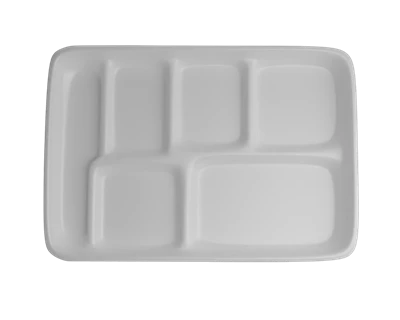
Now, let’s wrap this up. Clamshell containers aren’t a trivial part of your commercial kitchen setup—they’re a tool that affects food quality, customer satisfaction, costs, and even compliance. Take the time to get this right, and you’ll avoid a ton of headaches down the line. If you have questions or need help figuring out what works for you, don’t hesitate to connect.
Food Bowls References:
- U.S. Food and Drug Administration. (n.d.). Food Contact Substances: Plastics. Retrieved from relevant regulatory guidelines for food-safe packaging materials.
- National Restaurant Association. (2022). Commercial Kitchen Packaging Best Practices: Sustainability and Efficiency.
- Environmental Protection Agency. (2023). Compostable Product Guidance for Commercial and Industrial Composting Facilities.
- Occupational Safety and Health Administration. (2021). Kitchen Safety Guidelines for Food Service Establishments, including packaging-related ergonomic and hazard considerations.
- Packaging Digest. (2023). Clamshell Packaging: Material Selection for Foodservice and Delivery Applications.
Bio Earth Technology Co., Ltd.
As one of the most professional burger boxes manufacturers and suppliers, we also support customized service. Please feel free to buy bulk high quality burger boxes for sale here from our factory. For quotation and free sample, contact us now.
Address: No. 8-3, Baixi, 2nd Neighborhood, Tongxiao Township, Miaoli County 357001, Taiwan (R.O.C.)
E-mail: Services@bioearthtech.com
WebSite: https://www.bioearthtech.com/
