If you’ve ever walked past a manufacturing plant on a sweltering summer day and seen a chiller unit sitting on the rooftop, covered in dust, or near an open-air warehouse where rain and frost settle, you’ve probably wondered: Can a chiller unit really operate in harsh environments? As someone who’s been supplying chiller solutions for 12 years—working side-by-side with factory managers, HVAC technicians, and plant operators—I get this question all the time. Let me break this down, because the answer isn’t a simple yes or no. It depends on what “harsh environment” actually means, how the unit’s built, and how you maintain it. And for anyone shopping for a chiller that can hold up, I’ve got real-world insight that’s saved my clients thousands of dollars in downtime and repairs. Chiller Unit

First, let’s define what a “harsh environment” looks like for a chiller. I’ve seen units work in places I would’ve never thought possible, from a steel mill in Ohio where temperatures regularly hit 105°F with 80% humidity, to a food processing plant in Montana where winter lows drop to -20°F, to a mine in Arizona where dust storms blow grit so thick you can barely see 10 feet ahead. Each of these has unique stressors: extreme temperatures, high humidity, corrosive air (like near saltwater or chemical plants), dust and debris, and even constant vibration from heavy equipment nearby.
Early on in my career, I made a mistake. I sold a standard air-cooled chiller to a steel mill manager in Cleveland back in 2011, thinking the unit would handle the heat and vibration just fine. Three months later, he called me in a panic—its copper coils were corroding, the compressor was seizing up from dust in the system, and it had failed mid-shift right when their furnace was at full capacity. The plant had to shut down production for 12 hours, costing them over $180,000 in lost output. That mistake taught me more about harsh-environment chillers than any training manual ever could. Since then, I’ve worked hand-in-hand with our engineering team to build and test units that address specific harsh conditions, and I’ve helped dozens of clients pick the right model for their exact environment.
Let’s talk about the biggest stressor: extreme temperatures. Air-cooled chillers work by pulling in outside air to cool the refrigerant that circulates through the system. If it’s 105°F outside, that air is already almost as hot as the refrigerant needs to be to remove heat, so the chiller has to work harder to do its job. Standard chillers are rated for ambient temperatures up to around 95°F, so in 105°F weather, they’ll shut down on a high-pressure safety switch to avoid damaging the compressor. That’s where high-ambient chillers come in. These units have larger condensers, extra refrigerant capacity, and variable-speed fans that adjust to pull more air even when it’s hot. I installed one of these at that same Ohio steel mill three years after my mistake, and it’s been running nonstop through every summer since—no shutdowns, no issues. For cold environments, the problem is the opposite: standard chillers have water in their lines that can freeze and crack if temperatures drop below 32°F. Cold-weather chillers use antifreeze mixes or have heating elements that warm the refrigerant lines when temperatures fall, so they keep running even when it’s -20°F. I sold a batch of these to a dairy farm in Wisconsin last year, and they’ve been keeping their milk processing tanks at a constant 38°F all winter, even when a snowstorm knocked out power for four hours.
Next up: corrosion. I can’t tell you how many times I’ve seen a chiller near a coastal area or a chemical plant get ruined by salt or chemical fumes. Salt is especially insidious—it eats away at copper coils and steel frames over time. That Cleveland steel mill’s problem was partly from the sulfur fumes from the furnaces, and the Montana food plant I mentioned earlier had issues with ammonia fumes from their refrigeration systems. The fix here is material selection. Instead of standard copper coils, we use copper-nickel alloys that resist salt and chemical corrosion. For the outer casing, we use powder-coated steel or even stainless steel, which doesn’t rust like regular steel. Last year, I worked with a seafood processing plant in Florida that’s right on the Gulf Coast—their old chiller corroded so bad in 18 months that it leaked refrigerant. We installed a unit with copper-nickel coils and a stainless steel casing, and their maintenance team checks it quarterly; they say it looks like new, even after a year of salt spray.
Dust and debris are another huge issue, especially in mines, construction sites, or agricultural areas. Dust can clog the condenser coils, so the chiller can’t pull in enough air to cool the refrigerant. Vibration from heavy equipment can loosen parts over time, leading to leaks or misaligned components. The key here is airflow design. We design our harsh-environment chillers with dust filters that are easy to access and replace—no need to climb on the rooftop for hours to clean them. The condenser coils have a “fin guard” that keeps large debris like leaves or dirt clumps from getting stuck, and we add vibration isolators under the compressor and motor to reduce wear from heavy machinery. I had a mining client in Nevada who was going through a new dust-clogged chiller every two years. We installed our dust-resistant model three years ago, and he’s only replaced the filters twice—no coil cleaning, no compressor issues, no early replacements.
But here’s the thing: even the most rugged chiller won’t last if you don’t maintain it properly. I see it all the time—managers buy a tough unit, then ignore it for years until it breaks. I once visited a plant in Texas that had a chiller sitting outside near a gravel yard. The filters had been clogged with dust for 18 months, so the compressor was working so hard it burned out. The unit was only five years old, but it looked 15. Maintenance for harsh-environment chillers is a little different than standard ones, but it’s not complicated. You need to check and replace air filters every three to six months (more often in extremely dusty or humid conditions). Clean the condenser coils annually—use a soft brush or low-pressure water to avoid bending the fins, which can reduce airflow. Check for corrosion or leaks every quarter, especially in high-salt or chemical areas. And schedule a professional tune-up once a year, before the hottest or coldest season hits. That tune-up costs a few hundred dollars, but it saves you tens of thousands in downtime and repairs.
I also want to clear up a common myth: some people think harsh-environment chillers are way more expensive than standard ones. They do cost a bit more upfront—usually 10-15% more than a basic unit—but the long-term savings are huge. A standard chiller in a harsh environment might last 5-7 years, while a rugged, properly maintained unit can last 15-20 years. That’s double the lifespan, so the cost per year is actually lower. Plus, fewer unplanned shutdowns mean you keep your operations running, which is critical for businesses that can’t afford to stop—like food processing plants that have to keep perishables cold, or manufacturing plants that have deadlines to meet.
Over the years, I’ve had clients tell me they thought they “just needed a basic chiller” for their environment, only to regret it when it failed. One plastics manufacturer in Georgia tried a standard unit in their plant, where heat and plastic dust were constant. It broke down twice in one summer, delaying their production and making them miss a major order. They switched to our harsh-environment model, and in two years, they’ve only had one minor issue—because we worked with their maintenance team to set up a custom filter replacement schedule. That’s the thing about chiller supply: it’s not just selling a unit. It’s helping someone figure out what their specific environment needs, and supporting them long after the sale.
If you’re reading this and wondering if your current chiller can handle your harsh environment, or if you’re looking for a new one that will, I’d love to chat. I’ve worked with all kinds of environments—from desert mines to coastal seafood plants to frozen food warehouses—and I can help you pick a unit that fits your needs and your budget. No pressure, no sales pitch that ignores the real conditions your team deals with every day. I’ve seen the good and bad, and I know what works.
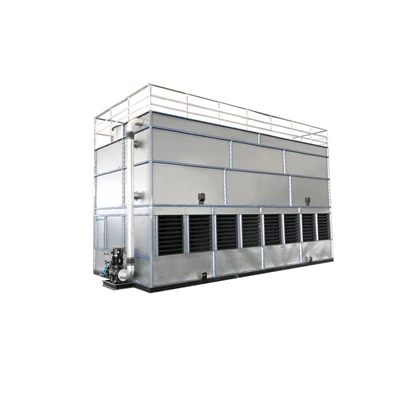
In short: Yes, a chiller unit can operate in harsh environments—but only if it’s designed for those specific conditions, installed correctly, and maintained regularly. The days of throwing a standard unit in a tough spot and hoping for the best are over. At the end of the day, the right chiller isn’t just a piece of equipment—it’s a part of your operations that keeps things running when it matters most. If you’re ready to find that right fit, reach out to discuss your needs.
Screw Chillers References
- American Society of Heating, Refrigerating and Air-Conditioning Engineers (ASHRAE). 2022. HVAC Applications Handbook. Chiller Design for Extreme Ambient Conditions. Atlanta, GA: ASHRAE.
- Air-Conditioning, Heating, and Refrigeration Institute (AHRI). 2021. Performance Standards for Water-Chilling Packages. Arlington, VA: AHRI.
- Manufacturing Extension Partnership (MEP). 2023. Reducing Downtime in Industrial Chiller Systems. National Institute of Standards and Technology, U.S. Department of Commerce.
Kunshan Aotianxin Machinery Co., Ltd.
We’re well-known as one of the most reliable chiller unit manufacturers in China. With abundant experience, our factory offer high quality chiller unit made in China with low price. If you have any enquiry about quotation and free sample, please feel free to email us.
Address: 550 Shengguang Road, Bacheng Town, Kunshan City, Jiangsu Province
E-mail: 1516722561@qq.com
WebSite: https://www.atxks.com/
