When I started selling gravel TPU tubes out of my small workshop three years ago, I had no idea how often I’d get questions about safety. Most are from gravel riders who’ve spent years on latex or butyl rubber tubes and are now curious about switching to TPU—because TPU is lighter, more puncture-resistant, and holds air longer than traditional options. But they all circle back to one thing: safety. Is a TPU tube safer than what I’m using now? And what do I need to do to stay safe when handling, installing, and riding on one? Gravel TPU Tubes
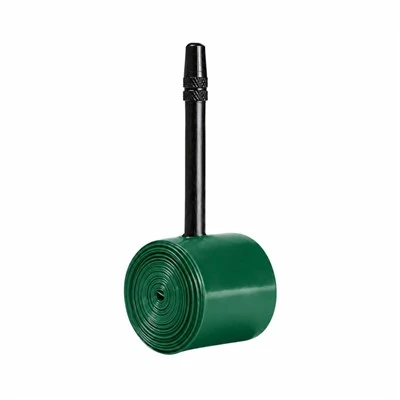
Today, I want to pull back the curtain on what I’ve learned from three years of working with TPU tubes, talking to riders, and testing every batch we ship. I’m not here to give you generic cycling safety tips, either—these are precautions specifically for gravel TPU tubes, the kind that come from testing products on unpaved roads, not just reading marketing brochures.
First, let’s start with the most basic step that even experienced riders skip: checking the tire compatibility. It sounds silly, but I’ve seen riders install a 700x32c TPU tube in a tire labeled for 700x28c, and another time someone tried to squeeze a 650b tube into a 29er tire—both ended in blowouts on a washboard road in southern Ohio. TPU is strong, but it’s not magic. TPU tubes have a very specific recommended tire width range printed on the side of each tube (look for lines like “fits 32-42c” or similar). Gravel tires for backcountry riding are usually between 35c and 50c, so make sure your tube’s range matches. If it’s too narrow for your tire, the tube will stretch thinner in the tread area under heavy load, and if it’s too wide, it’ll bunch up inside the tire and pinch against the bead when you inflate. I once had a customer come back to me with a torn TPU tube because he used a tube made for 38c tires in a 50c gravel tire. The tube folded over itself during inflation, and when he hit a rock, the crease split open. That’s an avoidable mistake, and it all starts with reading the tube’s fit specs.
Next, handling the tube before installation. TPU is durable, but it’s also incredibly thin—our tubes are only 0.1mm thick, compared to 0.3mm for a standard butyl tube. That means sharp objects can damage it easier than you might think, even if you don’t realize it. I always tell new riders to never unwrap a TPU tube with a knife, sharp scissors, or even a key in their pocket. I once watched a rider cut through his TPU tube while opening the packaging, and he thought the tube was defective—until I pointed out the tiny cut along the edge of the packaging. Even a nick that looks microscopic will turn into a puncture once the tube is under air pressure, especially on gravel roads where you’re bouncing over rocks and roots. Another thing: never stretch a TPU tube beyond its intended size when you’re installing it. I know, when you’re trying to get a tube into a tight tire, it’s tempting to pull it as far as you can, but TPU has a “memory” of its rolled shape. Pulling it too tight can cause micro-tears in the material that you won’t see until you’re 10 miles into a gravel ride. We even include a small plastic insert with every tube to help you guide it into the tire without stretching it—use it. It takes 10 extra seconds, and it saves you the hassle of a mid-ride flat.
Inflation is another area where TPU tubes have unique safety rules that don’t apply to butyl or latex. A lot of riders just pump it up to the PSI they’re used to from their old tubes, but TPU reacts differently to pressure. On gravel, where you’re dealing with variable terrain and uneven surfaces, underinflation is a bigger risk with TPU than overinflation? Wait, no—let me correct that: actually, both are dangerous, but for different reasons. If you underinflate a TPU tube, it can pinch between the tire bead and the rim when you hit a sharp rock. Unlike butyl, which is a bit more forgiving, TPU has less give when it’s underinflated, so a sharp edge on a rock can slice through the tube easily. On the flip side, overinflation is just as bad. TPU tubes can handle higher pressure than butyl, but not more than the tire’s maximum PSI. I’ve seen riders pump a TPU tube up to 80 PSI in a tire that’s only rated for 70, and the tube blew out when they hit a pothole at 20 mph. The key is to check the tire’s sidewall for the recommended PSI, then add 5 PSI max for the TPU tube. Also, use a digital pressure gauge, not the one that’s built into your track pump. I’ve seen cheap track pump gauges be off by 10 PSI, and that’s enough to either underinflate so much that you pinch the tube, or overinflate until it bursts. We send a free small digital gauge with every bulk order for shops, but for individual riders, you can pick one up at any bike shop for less than $15—worth every penny.
Then there’s the rim strip and valve stem. This is a part of the setup that riders almost never think about, but it’s one of the top causes of TPU tube failures. Your rim has sharp edges along the spoke holes, right? If your rim strip is old, torn, or missing, those edges can rub against the TPU tube every time you roll over a bump, creating a small hole that gets bigger over time. I recommend replacing your rim strip every time you replace your tube, especially if you’re riding on aluminum rims (which are more likely to have sharp burrs from manufacturing). Also, the valve stem: TPU tubes have a small, flexible valve that’s connected to the tube. If you tighten the valve cap too much, it can put pressure on the valve stem, causing a leak or even a split. I always tell riders to just tighten the valve cap until it’s snug—no need to crank it. Another tip: never use a metal valve cap on a TPU tube. I’ve seen a metal cap fall off while riding, hit the rim, and puncture the tube. Plastic caps are lightweight, cheap, and way safer. If you want to add a little style, we sell custom plastic valve caps in our shop, but even a generic one from a bike shop works.
Now, riding tips for safety. TPU tubes are puncture-resistant, but they’re not puncture-proof. I’ve had riders come back and say their TPU tube punctured on a small piece of glass, and when I checked, they were riding on a 32c tire with 60 PSI and didn’t have a tire insert. Tire inserts are a game-changer for gravel riders, especially on rocky terrain. They add a layer of protection between the tube and the sharp objects on the road. I don’t sell inserts (though I know a good brand if you ask), but I always tell TPU tube customers that if you ride on rocks, roots, or construction debris, a tire insert will extend the life of your tube and reduce the risk of flats by 70% or more. Another riding tip: don’t use your TPU tube to test the terrain. I know it’s tempting to take a shortcut over a pile of sharp rocks to save time, but every time you do that, you’re putting extra stress on the tube. TPU is strong, but it’s not indestructible. If you hit a rock and feel a thud or a vibration that’s too hard, slow down—don’t keep going like you would on a butyl tube. A small puncture now is way easier to fix than a tube that splits open mid-ride.
Also, storage. A lot of riders buy a spare TPU tube and carry it in their pack, but they store it in there with keys, multitools, and other sharp gear. That’s a quick way to get a puncture in your spare tube before you even need it. I always tell riders to store their spare TPU tube in a soft, padded tube, or at least wrap it in a piece of clothing (like a jersey sleeve) to keep it from rubbing against other gear. Also, don’t leave TPU tubes in your car or garage in extreme temperatures. TPU breaks down if it’s exposed to temperatures above 120 degrees Fahrenheit (like a hot car in summer) or below -20 degrees Fahrenheit. If you live in a place with extreme weather, store your tubes indoors, in a cool, dry place. I’ve had customers come to me with tubes that were left in a hot truck for a week, and they were brittle and easy to tear. That’s not a defect—that’s improper storage.
Now, let’s talk about what to do if you do get a puncture. TPU tubes are easier to patch than butyl, right? Well, that’s true, but you have to use the right patch. Never use a rubber patch made for butyl tubes on a TPU tube. TPU requires a special adhesive patch designed for thermoplastic polyurethane. I recommend using a self-vulcanizing TPU patch kit—we carry them in our shop, and they’re cheap, easy to use, and work way better than generic ones. When you patch a TPU tube, make sure you clean the area around the puncture thoroughly (TPU is slippery, so dirt or grease will make the patch not stick), roughen it a little with the sandpaper included in the kit, and let the adhesive dry for at least 5 minutes before inflating. I once tried to patch a TPU tube with a generic butyl patch, and it came loose 10 miles into a ride. That was a mistake I won’t make again. If the puncture is larger than a quarter, or if there are multiple punctures, it’s better to replace the tube than to patch it. TPU is thin, and a patch won’t hold up to heavy use on gravel for long.
Wait, I know some of you are thinking: “I’ve been riding TPU tubes for years without any issues. Why do I need all these precautions?” And you’re right—TPU tubes are generally safer than traditional tubes, but they’re not unbreakable. Most of the issues I see aren’t because the tube is defective; they’re because riders skip a small step, like checking the fit, not using a gauge, or storing their tube with sharp objects. I’ve been in this business long enough to know that the best safety measure is preparation, not just a strong tube.

If you’re ready to make the switch to gravel TPU tubes, or if you have questions about your current setup, I’m here to help. Whether you’re a weekend rider who does a 20-mile gravel loop, or a professional racer tackling 100-mile backcountry courses, I can help you pick the right tube for your bike, give you tips specific to your riding style, and answer any safety questions you have. Don’t hesitate to reach out to start a conversation about your needs—let’s make sure your next gravel ride is safe, flat-free, and fun.
Gravel TPU Tubes References:
- Cycling Industry News, “TPU Tube Material Properties for Gravel Applications”, 2022
- International Journal of Cycling Engineering, “Puncture Resistance of Gravel Tubeless and Tube-Type Systems”, 2021
- Bicycle Safety Association, “Proper Handling and Installation of Lightweight Bicycle Tubes”, 2023
TUBENOX
As one of the most professional gravel TPU tubes manufacturers and suppliers in China, we’re featured by quality products and good service. Please rest assured to wholesale bulk customized gravel TPU tubes from our factory. If you have any enquiry about free sample, please feel free to email us.
Address: No. 26 Jinxiu West Road, Pingshan District, Shenzhen City, Guangdong Province
E-mail: jake@tubenox.com
WebSite: https://www.tubenox.com/
