Hey there! I’m in the business of supplying pesticide intermediates, and today I wanna chat about how these nifty little things work in slow – release pesticides. Pesticide Intermediates
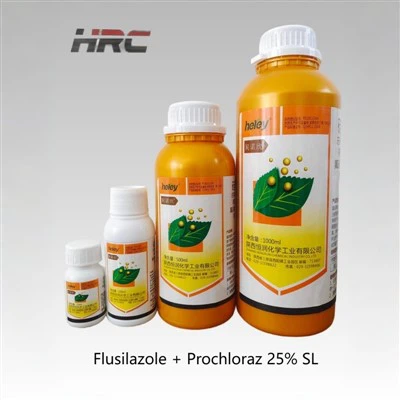
First off, let’s get a basic understanding of what pesticide intermediates and slow – release pesticides are. Pesticide intermediates are like the building blocks in the pesticide – making process. They’re chemical compounds that are synthesized to be further transformed into the final pesticides. Slow – release pesticides, on the other hand, are designed to release the active ingredients gradually over time. This way, they can provide long – term pest control without having to apply the pesticides frequently.
So, how do pesticide intermediates fit into the slow – release pesticide game? Well, it all starts with the chemical properties of these intermediates. Many of the pesticide intermediates we supply have unique chemical structures. These structures can be modified to control the release rate of the active ingredients.
One common way is through encapsulation technology. We can use certain pesticide intermediates to form micro – capsules around the active pesticide ingredients. These micro – capsules are like tiny time – release packages. The intermediate materials used to form the capsules can be chosen based on their solubility, permeability, and stability. For example, some intermediates are made of polymers that are insoluble in water at normal conditions. When these micro – capsules are applied to the soil or plant surfaces, the outer layer of the polymer gradually breaks down due to environmental factors such as moisture, temperature, and microbial activity. As the polymer breaks down, the active pesticide inside is slowly released.
Let’s take a closer look at the role of solubility. Some pesticide intermediates have low solubility in water. When we use them in slow – release formulations, the active ingredients are trapped within the matrix of the low – solubility intermediate. Water in the environment, which is ubiquitous around plants and in the soil, slowly diffuses into the matrix. As it does so, it dissolves a small amount of the active ingredient at a time, and then the dissolved pesticide can move out of the matrix and into the surrounding area where it can act on pests.
Temperature also plays a big part. Certain pesticide intermediates are more sensitive to temperature changes. When the temperature rises, the molecular structure of these intermediates may undergo some changes. This can lead to an increase in the permeability of the matrix or the breakdown of the encapsulating material, causing a faster release of the active ingredient. In warmer climates or during hot seasons, this can be beneficial as pests are usually more active and require a higher dose of pesticides.
Another aspect is the interaction between pesticide intermediates and soil particles. Some of the intermediates we supply can bind to soil particles. When the slow – release pesticide is applied to the soil, the active ingredient attached to these intermediates is adsorbed onto the soil surface. This adsorption is a reversible process. As the active ingredient is gradually used up in pest control, the adsorbed pesticide on the soil particles is released back into the soil solution, maintaining a relatively stable concentration of the active ingredient in the soil over time.
Now, I know what you’re thinking. "Why should I care about all these technical details?" Well, as a user of pesticides, slow – release pesticides made with high – quality pesticide intermediates can save you a lot of time and money. You don’t have to keep reapplying pesticides every few days or weeks. They can also be more environmentally friendly. Since the release of the active ingredient is controlled, there’s less risk of over – application, which can lead to environmental pollution and harm to non – target organisms.
For us suppliers of pesticide intermediates, we’re constantly working on developing new and better products. We’re researching new chemical structures of intermediates that can offer even more precise control over the release rate of the active ingredients. We’re also looking into ways to make the intermediates more biodegradable, so that they don’t leave behind harmful residues in the environment.
In the world of agriculture, where pests can cause significant damage to crops, having effective and long – lasting pest control is crucial. Slow – release pesticides with well – designed pesticide intermediates can help farmers increase their yields and protect their investments. And for commercial pest control companies, it means a more reliable and efficient solution for their clients.
If you’re in the market for pesticide intermediates to develop your own slow – release pesticides, or if you’re looking for a more sustainable and effective pest control solution, we’re here to help. We’ve got a wide range of high – quality pesticide intermediates that can be tailored to your specific needs. Whether you need intermediates for encapsulation, for improving the solubility of your active ingredients, or for enhancing their interaction with the environment, we’ve got you covered.

Don’t hesitate to reach out to us for a consultation. We can work together to figure out the best pesticide intermediates for your slow – release pesticide formulations. Let’s join hands to create a more pest – free and sustainable world.
Pesticide Formulations References:
- "Pesticide Chemistry and Bioscience: The Food – Environment Challenge"
- "Agricultural Chemicals: Fate in Environment and Biological Effect"
- "Handbook of Pesticide Toxicology"
Shaanxi Hengrun Linong Biotechnology Co., Ltd.
We’re well-known as one of the leading pesticide intermediates manufacturers and suppliers in China, featured by quality products and low price. Please rest assured to buy discount pesticide intermediates from our factory. Welcome to view our website for more information.
Address:
E-mail: sales@hengrunagro.com
WebSite: https://www.hengrunagro.com/
