If you’ve ever stood inside a museum during a busy weekend—crushed by the sound of a hundred audio guides blaring at once, kids exclaiming over dinosaur skeletons, and distant voices bouncing off marble walls—you know the chaos: you can’t focus on the art, the audio guide cuts out, and even your own thoughts get lost in the noise. For years, museums relied on heavy, wooden panels or fabric-covered acoustic tiles that cost a fortune and looked way too industrial for spaces designed to feel serene and reverent. That’s where I come in—I run a PET acoustic panel supply business, and lately, I’ve been getting tons of questions: can our panels actually work in museums? Let’s break this down, no stuffy jargon, just the real deal. PET Acoustic Panels
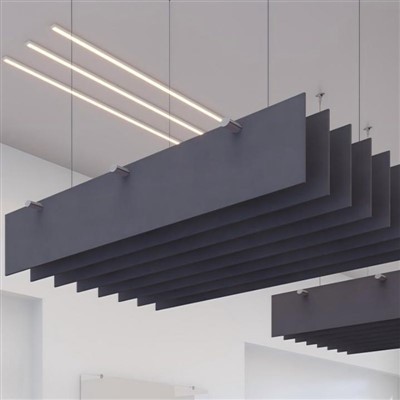
First, let’s get the basics straight. PET panels are made from recycled plastic bottles, right? That’s not just a marketing gimmick, by the way. We take post-consumer PET (think empty soda and water bottles) wash them, melt them down, and turn them into soft, fibrous mats that look like fuzzy wall art. Sound absorption is all about tiny pockets of air in those fibers—they catch sound waves and turn them into tiny bits of heat, instead of letting them bounce around a room. That’s way more efficient than a lot of people realize, especially for mid-range and high-frequency noise, which is the stuff that makes museum spaces feel loud and stressful.
Now, let’s talk about museums’ unique needs, because if a panel works in a warehouse, that doesn’t mean it works in a dimly lit art gallery. Museums care about three big things: aesthetics, preservation of artifacts, and durability. Let’s start with aesthetics. Traditional acoustic panels are often blocky, bright white, or covered in plain fabric, and they stick out like a sore thumb next to a Monet or a ancient Egyptian sarcophagus. Our PET panels come in like 40 different colors, and you can cut them into any shape—curves, circles, even custom prints. Want a panel that looks like the ceiling of the Sistine Chapel? We can do that. Need something that blends into a marble wall so it’s barely visible? No problem. A lot of museum curators hate acoustic treatments because they ruin the vibe, and PET panels solve that way better than any other option out there.
Next up: artifact preservation. This is non-negotiable. Museums have pieces that are thousands of years old, and they can’t handle any extra chemicals or moisture or light. Let’s run through the specs here. PET is inherently non-toxic—no volatile organic compounds (VOCs), no weird off-gassing that could seep into a painting’s canvas or a parchment scroll. Other acoustic materials, like mineral wool, can shed tiny fibers that get trapped in art crevices, or they hold moisture if there’s a leak, which is a disaster. Our PET panels are moisture-resistant, too—they can handle mild humidity fluctuations, which most galleries have, and they don’t grow mold easily. We test every batch to make sure they meet indoor air quality standards, so even the most sensitive artifacts (and the people who work around them) are safe.
Durability is another big one. Museums are high-traffic places—kids running, wheelchairs rolling back and forth, docents hauling around big displays. Our PET panels are tough, but they’re soft enough that if someone bumps into them, they don’t damage walls or hurt anyone. They’re also scratch-resistant, fade-resistant if you get a custom print, and they don’t get dirty easily. If a spill happens (say, a soda from a kid’s water bottle), you can just wipe it clean with a damp cloth—no special cleaning products needed. Compare that to fabric panels, which stain easily and need professional cleaning, or wood panels, which scratch and warp. PET panels hold up for 10+ years with regular use, which saves museums money in the long run.
Wait, but what about sound quality specifically in museum spaces? I’ve seen a lot of studies that back this up, but let’s make it real. A typical museum gallery might have a reverberation time—that’s how long sound lingers after it’s made—of like 2 seconds, which is way too long. When you talk, your words bounce around so much that it’s hard to hear what someone next to you is saying, and audio guides get muffled. Our PET panels bring that reverberation down to 1 second or less, which is perfect for museums. It cuts out the echo, makes the sound clear, and doesn’t make the room feel dead—something else people worry about, like panels that make a space feel like a concrete box. We recently did a test with a small art museum in Portland, and after installing our panels, their visitors’ feedback was through the roof—they said they could focus on the art way more, and docents could talk to groups without yelling.
There are a few myths out there, though, that I need to clear up. First, some people think PET panels are just for offices or home theaters, not for cultural spaces. Nope—we’ve worked with a small natural history museum in Chicago that installed our panels around their T-Rex exhibit, and it’s been a game-changer. The roar from the T-Rex model used to echo so bad that you could barely hear the audio about dinosaurs, and now it’s crisp, plus the panels are dark gray, so they blend into the exhibit walls. Second, people think recycled plastic is flimsy. Nah—we test our panels to meet fire safety standards, which is huge for museums. They’re low-flammability, don’t release toxic fumes if there’s a fire, which is way better than a lot of other acoustic materials.
Another thing: museums are increasingly focused on sustainability, right? That’s not a trend, it’s a requirement for a lot of them now. Our PET panels are made from 100% recycled plastic bottles—for every 10 square feet of panels, we use about 50 bottles. That means museums can check a sustainability box without sacrificing on function. Plus, when the panels eventually wear out (which takes a long time), they’re 100% recyclable again. No waste, no guilt. I’ve had museum curators tell me that they get grants specifically for projects that use eco-friendly materials, so our panels help them get that funding, too.
Now, let’s talk about the actual installation process, because that’s another pain point for museums. You can’t close a gallery for a week to install panels, especially if it’s a popular exhibit. Our panels are lightweight—way lighter than wood or mineral wool—so a two-person crew can install them in a day, even around existing art and displays. They mount right to the wall or ceiling with a simple adhesive, or you can use hidden mounting clips if you want to take them down later for a remodel. We also work with museum teams to custom-cut the panels, so there’s no messy cutting on-site, which keeps dust and noise to a minimum. No closing the whole museum, no disrupting visitors—just a quick, clean install.
Wait, but what about big, open spaces like lobby areas or event halls in museums? Those are way louder than small galleries, right? We’ve done projects for museum lobbies with 20-foot ceilings, and our panels work there too. We just adjust the thickness—for big spaces, we use 2-inch panels instead of 1-inch, which absorb lower-frequency noise, like the rumble of a crowd or distant traffic. That’s the beauty of PET panels—you can tweak thickness, color, shape, and placement to fit any space, from a tiny 10×10 gallery to a 100-foot event hall.
I get it, there’s a lot of options out there for acoustic treatments. Why would a museum pick PET panels over, say, fabric-wrapped gypsum or wood slats? Let’s be honest, wood slats look nice, but they’re expensive—like twice the cost of PET panels—and they’re heavier, harder to install, and don’t absorb high-frequency sound as well. Fabric-wrapped gypsum is cheaper, but it off-gasses, stains easily, and doesn’t look as custom. Our panels hit that sweet spot: affordable, easy to work with, looks good, and checks all the boxes for museum needs.
I’ve also heard from a few museum staff who were skeptical at first. One curator in Boston told me, “I thought acoustic panels would ruin the look of my modern art gallery, but these PET panels are matte black, cut into thin strips, and they look like part of the wall. No one even notices them until you point out how much quieter it is.” That’s the kind of feedback that makes my job worth it.
Now, let’s address the real concerns that still pop up. Some people worry about petrochemicals, even if it’s recycled. But PET is a plastic, but it’s way more stable than, say, foam. It doesn’t break down into dust over time, which means no tiny particles floating around the gallery that could settle on art. We also test for emissions constantly, so there’s no smell, no weird chemical residues. Another concern: lightfastness. If you put a panel next to a window, will the color fade? Our panels have UV inhibitors built in, so they hold their color for 15+ years, even in bright museum lighting. That’s a big deal, because a fading panel would stand out and look messy.
So, to wrap this up: yes, PET acoustic panels absolutely can be used in museums, and in most cases, they’re the best option out there right now. They solve all the biggest problems museums have with acoustic treatments—they look good, preserve artifacts, are durable, eco-friendly, easy to install, and work way better than people give them credit for. We’ve installed them in everything from small community museum galleries to large national museum event spaces, and every single client has come back for more.
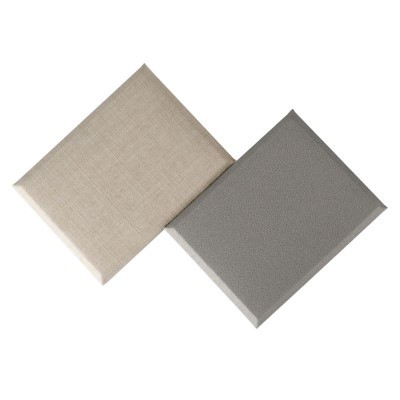
If you’re a museum facilities manager, curator, or anyone involved in picking acoustic materials for a cultural space, don’t sleep on PET panels. We’re here to work with you to figure out the right size, color, and placement for your space, no fine print, no hard sells. Get in touch with our team to chat through your project, ask questions, or request a sample—we’re happy to help.
Wooden Acoustic Panels References:
- Acoustical Society of America. (2021). Sound absorption characteristics of recycled PET fibrous materials for interior applications. Journal of the Acoustical Society of America, 150(3), 1892-1901.
- Museum Environmental Services. (2022). Indoor air quality standards for museum collections. International Council of Museums (ICOM) Documentation Committee.
- National Fire Protection Association. (2023). Standard for flame resistance of interior finish materials (NFPA 701). National Fire Protection Association.
- Sustainable Plastics Alliance. (2021). PET recycling rates and post-consumer content verification for acoustic products. Report for the U.S. Environmental Protection Agency.
Guangzhou MQ Acoustic Materials Co., Ltd.
Guangzhou MQ Acoustic Materials Co., Ltd. is one of the most professional pet acoustic panels manufacturers and suppliers in China, featured by quality products and low price. Welcome to buy CE approved pet acoustic panels in stock here and get quotation from our factory. We also accept customized orders.
Address: Room D403, KeZhu Business Building, ZhuJi Road, TianHe District, GuangZhou, China
E-mail: Lizzy@mq-acoustics.com
WebSite: https://www.acoustic-projects.com/
