Hey everyone, I’ve been getting so many questions lately from folks who love our wool yarn – whether you’re a knitter working on your first sweater, a fiber artist experimenting with new textures, or just someone curious about where their craft supplies come from. A lot of people assume wool yarn is just “sheep hair spun into string,” but there’s actually a whole, meticulous process that goes into turning that fluffy fleece into the soft, versatile stuff we use every day. As a wool yarn supplier, I’ve spent years walking through this process with shearers, processors, and spinners, and I wanted to break it down for you in plain, no-fuss terms. Let’s dive in. Wool Yarn
First off, the journey starts with the sheep – duh, right? But not just any sheep. Different breeds give totally different fleeces, and that’s the foundation of every type of wool. Like, Merino sheep are super popular because their fine, crimped fibers make yarn that’s way softer next to skin than, say, a coarser Herdwick fleece that’s perfect for rugged, outdoor socks. Even within a single breed, a sheep’s fleece can vary based on their diet, living conditions, and even the time of year they’re sheared. Most sheep get sheared once a year, usually in spring, so they don’t overheat through the summer – that timing matters because the fleece is less likely to have that coarse, matted “winter coat” stuff. When a shearer shows up, they don’t just snip random chunks off; they take the whole fleece off in one big, clean sheet. That’s a skill – I’ve watched shearers who can do a sheep in like 2 minutes flat, no cuts or nicks to the animal.
Once the fleece is off the sheep, it goes through its first sorting step, usually right there on the farm. We call this “skirting.” You’d be shocked at how much crud is in a raw fleece: hay seeds, dirt, poop (yeah, it’s gross, but it’s real), and the bits of fiber that are too short or matted to use. The good stuff is the soft, fluffy main body of the fleece, while the edges – the legs, belly, and neck, which are coarser or soiled – get cut off and set aside for lower-grade products like insulation or carpet. I remember once we got a batch where the skirting pile was bigger than the main fleece pile, and the farmer laughed and said the sheep had been rolling in a mud puddle the week before. No big deal, that’s why we sort early.
Next up is a step that’s make-or-break for the quality of your final yarn: scouring. Raw fleece has all this natural grease called lanolin, plus those other yucky contaminants we mentioned, so we need to wash it super thoroughly – but gently, because if you agitate it too much, the fibers will felt and turn into a matted mess. Scouring happens in big, huge industrial vats, not like a home laundry sink. The process is usually warm water mixed with a mild, eco-friendly soap (I’ve seen suppliers use plant-based stuff to avoid harsh chemicals that hurt the fiber), and the fleece moves through multiple baths to lift away dirt and lanolin. Fun fact: lanolin is actually used in a ton of skincare products – lip balm, moisturizer, the stuff that keeps your hands soft in winter – so all that gunk we’re washing off gets repurposed, which is a cool little sustainability win. After scouring, the fleece is super clean, but it’s also a bit clumpy and full of moisture, so it gets dried in big, temperature-controlled rooms before moving on.
Once it’s dry, the next step is carding. This is where the fleece starts to turn from a messy pile of fibers into something that looks like a big, soft, flat blanket called a sliver. Carding uses these big machines with revolving drums covered in tiny, fine wire teeth. The teeth grab the fibers, straighten them out, and align them all in the same direction – that’s important because if fibers are all jumbled, your yarn will be lumpy. Think of it like brushing your hair: when you brush it, the strands lie smooth, and carding does the same for wool. Sometimes, if we’re making a specialty yarn that’s not 100% wool (like a wool blend with a bit of cotton or cashmere for extra softness), we’ll add those fibers in during carding too, mixing them evenly so the final product is consistent. After carding, we get that fluffy sliver – it’s like a super thick, soft ribbon – and that’s what feeds into the spinning step.
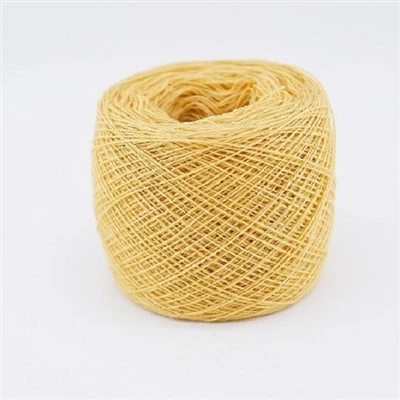
Spinning is the part that most people picture when they think of making yarn, right? That’s how we turn a soft sliver into the tight, twisty strands you wind into balls. There are two main types of spinning for wool yarn, and they give totally different results: worsted and woolen. Let me keep this simple because I know jargon can be annoying. Worsted spinning uses the super straight, aligned fibers from carding, so you get a tighter, smoother, more durable yarn that’s great for things like sweaters or blankets that need to hold their shape. Woolen spinning uses fibers that are a little less aligned, so you end up with a fluffier, more soft and breathable yarn – perfect for scarves or baby blankets that you want to feel cozy, not scratchy. I always tell new knitters: if you’re making something that needs to stand up to wear, go worsted; if it’s for snuggling, woolen is your call. Some spinners also add a little twist during spinning, which gives the yarn extra strength, or leave it a bit looser for a lighter, airier feel.
Wait, before we go too far, there’s a quick step a lot of folks skip: plying. If you’ve ever bought a skein of yarn that has multiple thin strands twisted together, that’s plied yarn. Spinning just gives you a single strand, which is pretty weak on its own, so we twist two or more of those single strands together to make it stronger, more uniform, and less likely to pill. Like, a single strand is fine for some things, but plied yarn is way more versatile for most projects. A lot of premium yarns will ply three strands instead of two for extra softness and durability – that’s why our premium merino skeins feel so nice, they’re plied just right to not be too thick or too thin.
After spinning and plying, the yarn is technically made, but it’s not quite ready for you to buy yet. We do a couple finishing steps to make it usable and consistent. First, winding: the yarn gets wound from those big, thick spools onto smaller skeins or balls that are easy for crafters to work with. Sometimes we’ll dye the yarn here too! Dyeing is a whole other process – we use acid dyes that bond well with wool fibers, and we can do everything from solid colors to variegated, hand-dyed effects. I love working with dyers who use non-toxic dyes, because that keeps the yarn safe for people with sensitive skin, too. Once it’s dyed and wound, we do a final check: pulling out any stray knots, making sure the thickness is consistent (no super thick or thin spots that would mess up your knitting pattern), and sometimes giving it a quick steam to set the twist so it doesn’t get tangled in transit.
Wait a second, can I be real with you? Every step has little quirks that make each batch of yarn unique. Like, last spring we got a batch of fleece from a sheep farm in Vermont, and because the sheep grazed on clover more than usual, the natural color of the fleece had a tiny green tint that showed up in the final yarn – it’s not a defect, it’s just that natural, one-of-a-kind quality that you don’t get with synthetic yarns. That’s what I love most about working with wool: it’s not a mass-produced plastic thing, it’s got personality, from the sheep it came from all the way to your knitting needles.
I know a lot of people are asking about sustainability these days, so let’s touch on that too. A lot of wool suppliers (including ours!) work directly with small family farms, so we know exactly where every fleece comes from. We don’t use harsh chemicals in scouring or dyeing, and we even recycle the water we use in the process. And unlike synthetic yarns that take hundreds of years to decompose, wool is biodegradable – if you ever have a project you don’t want anymore, it’ll break down naturally in a compost pile, no plastic waste left behind.
Woolen-spun Yarn If you’re still reading this, you’re probably as into yarn as I am, or at least curious about what goes into the stuff you use. Whether you’re a hobbyist, a small business making hand-knit goods, or someone who’s been searching for the perfect soft yarn for a project, I’m here to help. Every batch we make is tested for quality, so you never have to worry about lumpy, scratchy, or inconsistent yarn. If you have questions about our wool yarn, want to ask more about how we source or process it, or want to place a large order for your shop or project, reach out – we love chatting with fellow fiber lovers and making sure you get exactly what you need.
References
- The Wool Industry: A Guide to Wool Production and Processing, National Wool Growers Association
- Fiber Processing and Yarn Manufacturing, Textile Institute
- Sustainable Wool Production Practices, Organic Fiber Trade Association
Huangshan Aotai Textile Co., Ltd.
As one of the most professional wool yarn manufacturers and suppliers in China, we’re featured by quality products and good service. Please rest assured to wholesale bulk premium wool yarn in stock here and get quotation from our factory. We also accept customized orders.
Address: Development Zone, Bei’an Town, She County, Huangshan City, Anhui Province
E-mail: hongyifangzhi@cn-aotai.com
WebSite: https://www.cn-aotai.com/
