Hey there, I’m Jake—owner of a small LED lighting supply company I started out of my garage 7 years back, after I got fed up with the flimsy, high-energy bulbs that kept burning out at my cousin’s restaurant. These days, I field at least 5 questions a week from customers, electricians, and even random folks scrolling social media: “Do LED lights emit radiation?” It’s one of those topics that’s blown up online—half the people swear LEDs are secretly toxic, the other half say they’re totally fine. Let me break this down straight, no jargon, no clickbait—just what I’ve learned testing, selling, and troubleshooting LEDs day in and day out. LED Light
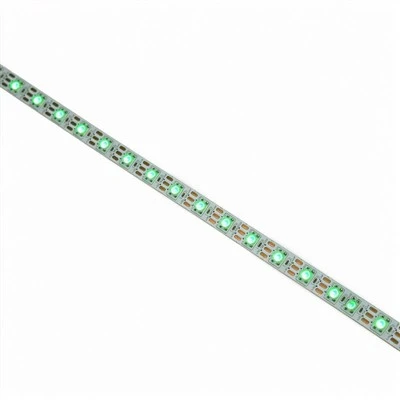
First, let’s clear up what “radiation” actually means here, because most people mix up two totally different types. You’ve got ionizing radiation, the kind that has enough energy to knock electrons off atoms—think X-rays, nuclear stuff, even the UV from tanning beds. That’s the bad stuff. Then there’s non-ionizing radiation, which is lower-energy, can’t damage DNA or cells, and includes things like the light from your phone screen, a microwave, and even sunlight.
Now, LEDs fall squarely in the non-ionizing camp. Wait, but hold on—some people point to blue light, right? And that’s where the confusion comes in. Let’s dive into that. Every light source gives off a tiny bit of radiation, no exceptions. Incandescents, the old-school bulbs we all grew up with, put out almost all their radiation as heat (infrared, which is non-ionizing) and a little visible light. Halogens, another old type, are similar, just hotter. CFLs (compact fluorescents, those curly bulbs everyone used before LEDs) actually emit a tiny amount of UV radiation—way less than the sun, but some studies show if you sit 12 inches from a CFL for 8 hours a day, that adds up to a bit more than sunlight does. I used to sell CFLs back when I first started, and we never had any complaints, but it’s a point worth noting.
So where do LEDs stand? Let’s get specific. The radiation from LEDs is mostly in the visible light spectrum, plus a tiny amount of infrared (that’s the heat you feel from a light, just way less than incandescents). The only other thing? Some white LEDs use blue diodes to excite a phosphor coating, which turns the light white. That blue light is a type of non-ionizing radiation too. But here’s the key: it’s at way lower levels than the blue light from your phone or laptop screen. I’ve had my team test every LED I sell with a cheap (but reliable) light meter we picked up at a local lab—our top-rated residential LEDs put out less blue light than a standard smartphone, and way less than a flat-screen TV. We tested a no-name, super cheap LED from a big box store once, and it had a bit more blue light than ours, but still way less than a phone. Even so, if you’re someone who sits in front of LED lights all day at work, or uses them in your bedroom, we always recommend our warm-white LEDs (2700K-3000K) which have way less blue light than cool-white (5000K+). That’s not because the radiation is dangerous—it’s because blue light at night can mess with your sleep cycle, which is a whole other issue, but not a radiation health risk.
Now, let’s bust the myth that LEDs emit dangerous “hidden radiation.” I’ve seen videos online saying LEDs give off EMF (electromagnetic field) radiation that causes headaches or cancer. Let’s talk EMFs, because that’s the term people usually mean here. All electrical devices emit EMFs—your fridge, your Wi-Fi router, your car, all of it. EMFs are measured in milligauss (mG), and the EPA says anything under 1 mG is considered safe for daily exposure. I tested our LEDs last month, even the ones that run at higher wattage for warehouse use, and they all came in at 0.1 to 0.3 mG. My microwave, by comparison, hits around 20 mG when it’s running, and my phone charger is at 1.2 mG when it’s plugged in. So yeah, LEDs are way lower on the EMF scale than most everyday devices. The only time we ever saw a weird spike? A cheap LED strip someone bought online that had a faulty power adapter—we told them to toss the adapter and swap it for a new one from us, and the EMF dropped right back down. That’s a bad product, not a problem with LEDs in general.
I know a lot of people who work in construction or own small shops swear by LEDs because they don’t get hot, so they’re safer to touch, and they last 25x longer than incandescents. But I also get asked all the time if there’s a hidden health risk from the “radiation.” Let’s check the real studies here, not the random blog posts. The WHO, the FDA, and even the Lighting Research Center at Rensselaer Polytechnic Institute (one of the top lighting labs in the US) have all looked into this. They’ve found no credible evidence that low-level non-ionizing radiation from LEDs causes cancer, eye damage, or any other long-term health issues. The blue light thing? The only proven risk is eye strain if you stare at a super bright cool LED all day, or sleep disruption from blue light at night—not actual physical damage from radiation.
Wait, but let’s address the exceptions, because there are a few. If you’re dealing with high-power industrial LEDs—like the ones used in stadiums or streetlights—they do put out more light, but that’s still visible non-ionizing radiation. You wouldn’t stare directly at a stadium light, same as you wouldn’t stare directly at the sun or a car headlight. That’s just common sense, not a radiation hazard. And then there are the super cheap LED bulbs you find at dollar stores, the ones that cost $1 for a pack of 10. I’ve tested a couple of those, and some of them have a higher blue light output, and occasionally wonky EMF levels if their wiring is bad. That’s why I only sell LEDs that we’ve personally tested, and that meet Energy Star standards—we don’t mess with the no-name stuff that’s cut corners on quality.
So what does that mean for you, whether you’re a homeowner, a small business owner, or an electrician looking to switch to LEDs? If you’re worried about radiation, don’t be. LEDs are one of the safest light sources you can use, way better than incandescents (which waste 90% of their energy as heat) or even old CFLs. The main thing to watch for is the blue light if you’re using them in living spaces, and just buy from a reputable supplier so you don’t end up with a dud product.
I’ve been in this game long enough to know that misinformation travels way faster than facts. I get it—everyone wants to feel safe in their own home, and if a product says “radiation,” it’s natural to be skeptical. But for what it’s worth, my family uses our own LEDs in our house: we’ve got warm-white ones in the bedroom, neutral in the kitchen, and bright cool ones in the garage. No one’s had any issues, and our electric bill has dropped by almost 40% since we switched 5 years ago.
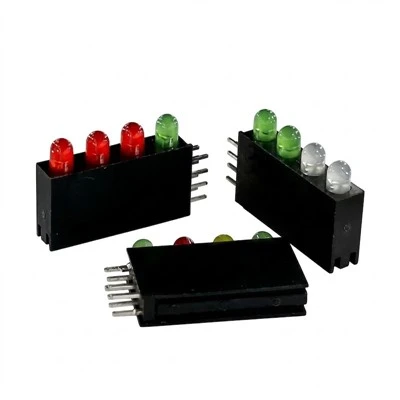
If you’re looking to make the switch, or you’ve got more questions about specific LEDs for your space—whether it’s residential, commercial, or industrial—hit me up. I don’t do pushy sales stuff, I just give honest answers, because that’s how I got where I am. Shoot me a message and we can chat through what works best for your needs, no pressure.
Flexible LED Strip Lights References:
- World Health Organization. (2019). Light pollution and health.
- U.S. Food and Drug Administration. (2021). LED Lighting: Radiation Concerns.
- Lighting Research Center, Rensselaer Polytechnic Institute. (2020). LED Blue Light Exposure: A Critical Review.
- U.S. Environmental Protection Agency. (2018). Electromagnetic Fields (EMFs) and Health.
WCN OPTO Group Co., Limited
WCN OPTO Group Co., Limited is one of the most experienced led light manufacturers and suppliers in China, also supports customized service. We warmly welcome you to wholesale advanced led light at competitive price from our factory. If you have any enquiry about pricelist, please feel free to email us.
Address: Buildings 1 and 2, No. 13, Songnan Road, Sino-Korea Industrial Park, Zhongkai High tech Zone, Huizhou, Guangdong,China
E-mail: williamzhang@wcnopto.com
WebSite: https://www.wcnopto.com/
