If you’re a machine operator, maintenance technician, or even a small business owner who relies on industrial equipment to keep daily operations running, a worn ball pin is one of those small, easy-to-overlook parts that can bring your whole workflow to a halt. I’ve been a ball pin supplier for over 12 years, and I’ve lost count of how many times I’ve fielded calls from people who tried to wrestle a stuck, damaged ball pin out of their machine only to make the problem worse—by stripping threads, cracking housing bores, or even bending tooling arms. Replacing a worn ball pin doesn’t have to be a messy, time-consuming job, though. It just requires a little preparation, the right tools, and a clear understanding of how to match your replacement pin to your machine’s exact specifications. Let’s walk through every step, from diagnosing a worn pin to installing a new one correctly. Ball Pin
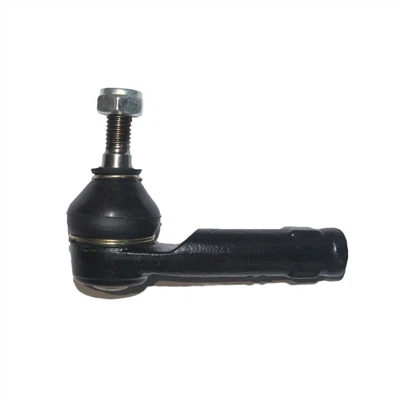
First, let’s talk about how to tell if your ball pin is actually worn out, because a lot of people wait until their machine is making a strange noise or stops working entirely before they check. Ball pins are used in all kinds of applications: conveyor systems, assembly line tools, hydraulic cylinders, and even heavy construction equipment. Their job is to create a pivot point, secure two parts together, or transfer load between components. Common signs of wear include: play or wobble when you move the connected parts (if the pin moves side to side instead of staying fixed), visible scuffs or galling on the pin’s surface (the smooth finish that allows it to rotate or slide is roughened from friction), bending or deformation of the pin’s head or shank, or corrosion, especially if your machine operates in a humid or outdoor environment. If you notice any of these, don’t delay—running a machine with a worn pin can lead to catastrophic failure, which might damage more expensive parts like motors or drives, or even cause safety issues if the machine is in a public workspace.
Before you even order a new ball pin, you need to get the right specifications. This is where being a reliable supplier comes in handy, because I always emphasize that you can’t just grab a random ball pin from a hardware store. Ball pins are made to very precise tolerances, and even a tiny difference in diameter or length can throw off your machine’s alignment. The key measurements you’ll need are: the nominal diameter of the pin’s shank, the total length of the pin, the diameter of the ball end (if your pin has a ball head, as many do), the thread size if the pin is threaded into a housing, and the material grade. Most industrial ball pins are made from carbon steel, stainless steel, or alloy steel—stainless steel is best for corrosive environments like food processing or outdoor equipment, while alloy steel offers higher strength for heavy-load applications. If you can, remove the old pin and take it with you when you order a new one. Even if it’s worn, it will give you a perfect reference for all the measurements. If you can’t remove it right away, check your machine’s original equipment manufacturer (OEM) manual—most manufacturers list part numbers and specifications for standard wear parts like ball pins, and that will save you a lot of guesswork.
Now, let’s get to the actual removal process. This is the step where people usually make mistakes, so take your time. First, disconnect your machine from power or any hydraulic lines—safety is non-negotiable here. You don’t want the machine to kick on unexpectedly while you’re working. Then, secure the connected parts so they don’t move while you remove the pin. Some ball pins are held in place with a retaining clip or a split pin (cotter pin) through the end, so start by removing that with a pair of pliers or a pin punch. If the pin is threaded, you might need a wrench to loosen it; if it’s a press-fit pin (fitted tightly into a bore without threads), you’ll need a pin puller or a soft-faced hammer and a drift punch. Never use a cold chisel to knock out a press-fit pin—this can chip the pin or damage the housing. If the pin is stuck, apply a small amount of penetrating oil (like WD-40 or PB Blaster) to the base of the pin and let it sit for 15 to 20 minutes. The oil will work its way into the gap between the pin and the bore, loosening rust or debris that’s holding it in. If it’s still stuck, you can gently tap the end of the pin with a soft hammer (rubber or brass) to break it loose—tapping hard can bend or break the pin, so go slow.
Once the old pin is out, inspect the bore where the pin sits. This is another step people skip, but a dirty, worn bore will make your new pin wear out much faster. Use a wire brush or a clean cloth to remove any dirt, grease, or metal shavings from the bore. If the bore is scored or has deep scratches, that means the old pin caused damage over time, and you might need to lightly ream the bore before installing a new pin to ensure proper fit. If you don’t ream a scored bore, the new pin will rub against the scratches, leading to accelerated wear and possible failure in a matter of weeks instead of months.
Now, installing the new ball pin. First, make sure it’s the right size and material. If you ordered a high-quality ball pin from a supplier (not a cheap generic one), it should have a smooth, polished surface that will move easily in the bore. For press-fit pins: align the pin with the bore, and gently tap the end with a soft-faced hammer until the pin is seated. Don’t hammer hard—if it’s a tight fit, you can use a press tool (a hydraulic press or arbor press) to apply even pressure, which will prevent bending or misalignment. For threaded pins: carefully thread it into the housing by hand first, to avoid cross-threading, then tighten it with a wrench until it’s secure, but don’t over-tighten—this can strip the threads or crack the housing. If your pin uses a retaining clip or split pin, slide it into the hole in the end of the pin, then bend the ends of the clip around the pin to keep it from falling out. A loose retaining clip will let the pin move, which will cause wear very quickly.
After installation, it’s a good idea to test the machine before putting it back into full operation. Run it at a low speed for a few minutes, listen for any unusual noises (grinding, squeaking, or wobbling), and check that the connected parts move smoothly with no play. If everything works, you’re good to go—but a quick tip from my 12 years as a ball pin supplier: to extend the life of your new pin, lubricate it regularly. Most industrial ball pins require light lubrication with a food-grade or industrial grease, depending on your application. Lubrication reduces friction between the pin and the bore, preventing galling and wear. Every few months, remove the retaining clip and add a small amount of grease to the pin’s surface before reinserting it. This simple step can double or even triple the lifespan of your ball pin.

I’ve seen so many people waste time and money by using the wrong replacement pin, or skipping important steps in the removal and installation process. When you choose a ball pin supplier, you want someone who understands that a worn pin isn’t just a small part—it’s a critical component that keeps your operations running smoothly. If you’re not sure about the specifications, or you need a custom ball pin for a unique machine, don’t hesitate to reach out. I can help you verify measurements, recommend the right material for your environment, and make sure you get a part that fits perfectly. Replacing a worn ball pin doesn’t have to be a headache—with the right preparation and the right supplier, it’s a quick fix that will keep your machine running reliably for months to come. If you’re ready to order a replacement or discuss custom ball pin options, please reach out to our team to schedule a consultation and get the right part for your equipment.
References
Upper Ball Joint Machinery’s Handbook, 31st Edition. Industrial Press, 2020.
ASME B18.8.2-2017, “Ball Pins, Pins, and Clevis Pins”, American Society of Mechanical Engineers.
Industrial Maintenance and Technology Magazine, “Best Practices for Wear Part Replacement”, 2022.
Shigley’s Mechanical Engineering Design, 11th Edition. McGraw-Hill, 2019.
Taizhou Huazhe Auto Parts Co., Ltd.
As one of the most professional ball pin manufacturers and suppliers in China, we’re featured by quality products and low price. Please rest assured to buy bulk high-grade ball pin in stock here from our factory. For pricelist, contact us now.
Address: No.2828, Binkang Avenue, Sanjia Street, Taizhou Bay New Area, Taizhou City, Zhejiang Province
E-mail: 19906762800@163.com
WebSite: https://www.huazheindustry.com/
