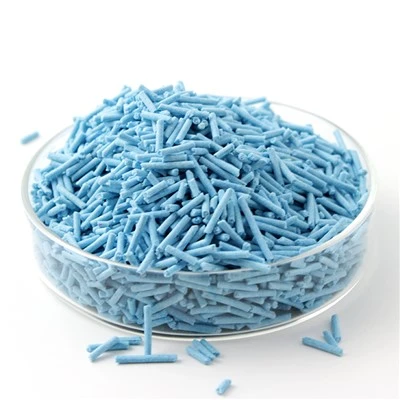
When it comes to selecting the right cat litter for your feline friends, there are numerous options available in the market. Two popular choices are bentonite cat litter and wheat – based cat litter. As a bentonite cat litter supplier, I have in – depth knowledge of both types of litters and can provide a comprehensive comparison. Bentonite Cat Litter
Absorbency
One of the primary functions of cat litter is to absorb urine effectively. Bentonite cat litter is renowned for its excellent absorbency. Bentonite is a type of clay with a high swelling capacity. When it comes into contact with liquid, it forms tight clumps. This means that a small amount of bentonite litter can absorb a relatively large volume of urine. For example, a single clump of bentonite litter can absorb several times its own weight in liquid.
On the other hand, wheat – based cat litter also has decent absorbency. Wheat is a natural material that can soak up moisture. However, compared to bentonite, it may not form as tight or as large clumps. The absorbency rate of wheat – based litter is generally lower, and you may need to use more of it to achieve the same level of urine absorption as bentonite litter. In a multi – cat household, where the amount of urine is relatively large, bentonite cat litter can be a more efficient choice in terms of absorbency.
Odor Control
Odor control is another crucial factor when choosing cat litter. Bentonite cat litter has good odor – control properties. The clumping action helps to isolate the urine and feces, reducing the spread of odor. Additionally, some bentonite litters are treated with odor – neutralizing agents. These agents work by chemically binding to the odor – causing molecules in the urine and feces, effectively reducing the unpleasant smell.
Wheat – based cat litter also has natural odor – control capabilities. Wheat has a mild, natural scent that can help to mask some of the cat’s odors. Moreover, it can absorb some of the odor – causing moisture. However, in high – traffic litter boxes or in households with multiple cats, the odor – control ability of wheat – based litter may be less effective compared to bentonite litter. The clumping nature of bentonite allows for easier removal of soiled litter, which further contributes to better odor control over time.
Dust Levels
Dust is a concern for both cats and their owners. Bentonite cat litter has come a long way in terms of dust reduction. Modern manufacturing processes have significantly reduced the amount of dust produced by bentonite litter. However, some lower – quality bentonite litters may still generate a certain amount of dust, especially when the cat is digging or covering its waste.
Wheat – based cat litter is generally considered to be a low – dust option. Since it is made from natural wheat, it produces minimal dust. This is a great advantage, especially for cats with respiratory sensitivities or for owners who are concerned about the dust being tracked around the house. A cat with a respiratory condition may find it more comfortable using a low – dust wheat – based litter.
Clumping Ability
The clumping ability of a cat litter is important for easy cleaning. Bentonite cat litter is the champion in this regard. As mentioned earlier, it forms solid, easy – to – scoop clumps when it comes into contact with urine. These clumps can be easily removed from the litter box, leaving behind the clean, unused litter. This not only makes cleaning the litter box a quicker and more efficient task but also allows you to reuse the remaining clean litter, which can save you money in the long run.
Wheat – based cat litter may form some clumps, but they are usually not as firm or well – defined as those of bentonite litter. The clumps may break apart more easily during the scooping process, which can make cleaning a bit more challenging. In addition, it might be more difficult to completely separate the soiled and clean litter, leading to more frequent full litter changes.
Sustainability
In today’s environmentally – conscious world, sustainability is an important consideration. Wheat – based cat litter is a more sustainable option. Wheat is a renewable resource, and the production of wheat – based litter generally has a lower environmental impact compared to the mining and processing of bentonite clay. The manufacturing process of wheat – based litter often involves less energy consumption and produces fewer pollutants.
However, bentonite cat litter is also taking steps towards sustainability. Some suppliers, including myself, are implementing more eco – friendly mining and production practices. For example, we are working on reducing water usage during the processing of bentonite and improving the efficiency of our operations to minimize waste.
Cost
Cost is always a factor in any purchasing decision. Bentonite cat litter is often more cost – effective in terms of long – term use. Due to its high absorbency and excellent clumping ability, you can use less of it over time. You only need to remove the soiled clumps, and the remaining litter can continue to be used. This means that you don’t have to replace the entire litter box as frequently as you would with wheat – based litter.
Wheat – based cat litter, on the other hand, may have a slightly higher upfront cost. And because of its relatively lower absorbency and less – efficient clumping, you may need to replace it more often, which can add to the overall cost in the long run.
Cat Preference
Cats can be quite particular about their litter. Some cats may prefer the feel of bentonite cat litter under their paws. The fine texture of bentonite can be similar to the natural soil or sand that cats are instinctively drawn to for digging and covering their waste. Other cats, however, may be more sensitive to the dust or the texture of bentonite and may prefer the softer, more natural feel of wheat – based litter.
It’s important to observe your cat’s behavior when introducing a new type of litter. If your cat seems uncomfortable or avoids using the litter box, it may be a sign that the litter is not to its liking.
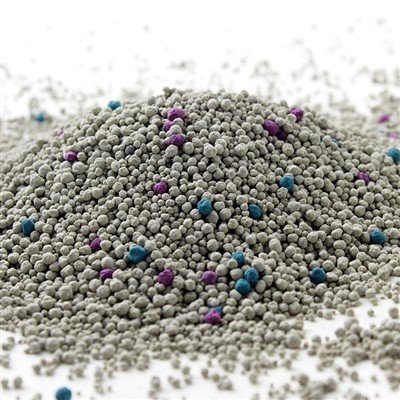
In conclusion, both bentonite cat litter and wheat – based cat litter have their own advantages and disadvantages. Bentonite cat litter excels in absorbency, clumping ability, and long – term cost – effectiveness, while wheat – based cat litter is a great option for its low – dust nature and sustainability. As a bentonite cat litter supplier, I believe that bentonite litter offers a reliable solution for most cat owners, especially those with multiple cats or high – traffic litter boxes.
Cat Litter If you are interested in learning more about our high – quality bentonite cat litter or would like to discuss a potential purchase, please feel free to reach out. We are always eager to provide you with detailed information and negotiate the best deal for your needs.
References
- Brown, L. (2018). "A Guide to Different Types of Cat Litter". Pet Care Journal.
- Smith, J. (2019). "Environmental Impact of Cat Litter Production". Sustainable Living Magazine.
Qingdao Ray Pet Products Co., Ltd.
As one of the most professional bentonite cat litter manufacturers in China, we have world-leading production equipment and strong manufacturing capabilities. Please feel free to buy bulk high quality bentonite cat litter made in China here from our factory. Good service and low price are available.
Address: B401 Zhongtie Qingdao Plaza No.385, Dunhua Road, Qingdao, Shandong Province, China
E-mail: Karen.liu@ray-pet.com
WebSite: https://www.ray-pet.com/
