Hey there! I’m a supplier of titanium anodes for hydrometallurgy. Over the years, I’ve seen firsthand how the shape of these titanium anodes can really shake things up in hydrometallurgy processes. So, let’s dive right into it and explore how different shapes of titanium anodes impact hydrometallurgy. Titanium Anodes for Hydrometallurgy
First off, what’s hydrometallurgy? It’s all about using aqueous solutions to extract metals from ores, concentrates, and recycled materials. And titanium anodes play a super important role in this process. They’re used in electrolysis, a key part of hydrometallurgy, where electrical energy is used to drive a non – spontaneous chemical reaction to extract and refine metals.
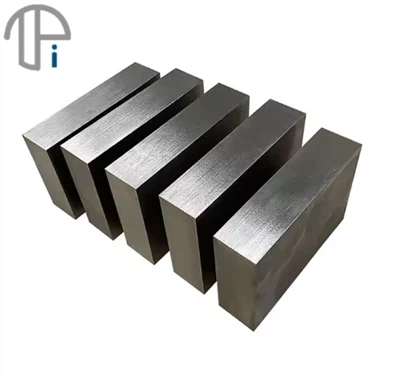
Let’s start with the flat – shaped titanium anodes. Flat anodes are probably the most common shape you’ll come across. They’re easy to manufacture, and that makes them cost – effective. In a lot of hydrometallurgy setups, especially in large – scale operations, flat anodes are a go – to choice. They provide a large surface area that’s evenly distributed. This even distribution is great because it allows for a uniform flow of current during the electrolysis process.
With a uniform current flow, the deposition of metals on the cathode is more consistent. When you’re trying to extract high – quality metals, consistency is everything. For example, in copper electrorefining, a uniform metal deposition means that the copper cathode will have a smooth surface and better purity levels. And as a supplier, I get a lot of orders for flat anodes from copper – refining plants because they know the value of that consistent performance.
But flat anodes aren’t perfect. In some cases, the edges of the flat anode can experience higher current densities compared to the center. This is called edge effect. The higher current density at the edges can cause uneven wear of the anode, which means it might need to be replaced more often. Also, in some complex hydrometallurgy cells, where the electrolyte flow is not ideal, flat anodes may not be the best option as they can create stagnant areas in the electrolyte, affecting the efficiency of the whole process.
Now, let’s talk about tubular titanium anodes. Tubular anodes have a cylindrical shape, and they bring some unique advantages to the table. One of the big benefits is the improved electrolyte flow. The tubular shape allows the electrolyte to flow through the anode more easily, reducing the chances of creating those stagnant areas we talked about with flat anodes.
In processes where mass transfer is crucial, like in the extraction of some rare metals, tubular anodes can really shine. The better electrolyte flow means that the ions in the solution can reach the anode surface more efficiently, which speeds up the overall reaction rate. It also helps in maintaining a more uniform concentration of the electrolyte around the anode, leading to more consistent metal extraction.
Another advantage is that tubular anodes can have a relatively large active surface area in a compact space. This is great for smaller – scale hydrometallurgy setups or when you’re working with limited space. But tubular anodes also have their drawbacks. They’re a bit more complicated to manufacture compared to flat anodes, which can drive up the cost. And if the tubing material isn’t chosen carefully, there can be issues with corrosion on the inner surface.
Next up are the mesh – shaped titanium anodes. Mesh anodes are like a grid of thin titanium wires. They’re extremely porous, which gives them a very high surface – area – to – volume ratio. This high ratio means that there are a lot of active sites for the electrochemical reactions to take place. In hydrometallurgy, it translates to faster reaction rates and more efficient metal extraction.
Mesh anodes are often used in applications where you need a high current density. For example, in the electrolytic production of some specialty metals, the high surface area of the mesh anode allows for a large amount of current to pass through, enabling a rapid deposition of the metal. But the downside is that the thin wires in the mesh can be more fragile. They can break easily if there’s any mechanical stress or improper handling in the hydrometallurgy cell.
Then we have the perforated titanium anodes. These are like flat anodes with holes in them. The perforations serve a few important functions. First, they improve the electrolyte flow around the anode. Just like in tubular anodes, better electrolyte flow helps in mass transfer and reduces the formation of stagnant areas. Second, the perforations can help in reducing the overall weight of the anode, which can be beneficial in some large – scale operations where handling heavy anodes can be a hassle.
However, the perforations can also cause some problems. The edges of the holes can experience higher current densities, similar to the edge effect in flat anodes. This can lead to uneven wear around the holes, and over time, the integrity of the anode can be compromised.
So, how do you choose the right shape of titanium anode for your hydrometallurgy process? Well, it depends on a few factors. First, consider the type of metal you’re trying to extract. Different metals have different reaction requirements, and some shapes may be better suited for certain metals than others. For example, if you’re extracting a metal that requires a high current density and fast reaction rates, a mesh anode might be a good choice.
The scale of your operation also matters. Large – scale plants may prefer flat anodes for their cost – effectiveness and ease of use, while smaller operations might benefit from the compactness of tubular anodes. And don’t forget about the design of your hydrometallurgy cell. The shape of the anode should be compatible with the electrolyte flow pattern and the overall geometry of the cell.
As a supplier of titanium anodes for hydrometallurgy, I’ve helped many clients choose the right anode shape for their specific needs. We offer a wide range of anode shapes, and I’m always happy to discuss with you the pros and cons of each shape based on your situation. If you’re involved in hydrometallurgy and are looking for high – quality titanium anodes, or if you’re not sure which shape would work best for your process, don’t hesitate to reach out. We can work together to find the perfect solution for your metal extraction needs.
By carefully considering the shape of the titanium anode, you can optimize your hydrometallurgy process, improve the efficiency of metal extraction, and ultimately save on costs. Whether it’s flat, tubular, mesh, or perforated anodes, each shape has its role to play in the fascinating world of hydrometallurgy.

So, if you’re in the market for titanium anodes and want to take your hydrometallurgy process to the next level, come and have a chat with me. I’m here to help you make the right choice. Let’s work together to achieve better results in your metal – extraction operations!
Titanium Forging References
- "Hydrometallurgy: Principles and Applications" by Dennis W. Fuerstenau.
- "Titanium and Titanium Alloys: Fundamentals and Applications" edited by John Whitman.
- Various industry research papers on electrochemical processes in hydrometallurgy.
Baoji Top Titanium Industry Co., Ltd.
As one of the most professional titanium anodes for hydrometallurgy manufacturers and suppliers in China, we’re featured by quality products and good price. Please rest assured to buy bulk titanium anodes for hydrometallurgy in stock here and get quotation from our factory. Customized orders are welcome.
Address: No. 2, South Section Of Phoenix 2nd Road,High-Tech Zone, Baoji,Shaanxi, China (Mainland)
E-mail: sales@bjtopti.com
WebSite: https://www.china-topti.com/
