Hey there! I’m a supplier of Wedge Wire Filter Screens, and today we’re gonna talk about how temperature affects the performance of these nifty filters. Wedge Wire Filter Screen

Let’s start with the basics. Wedge Wire Filter Screens are widely used in various industries, like water treatment, oil and gas, food and beverage, and more. They’re known for their high efficiency, durability, and precision in filtering out different particles. But temperature can throw a bit of a wrench in their performance, and it’s important to understand how.
Low – Temperature Effects
When the temperature drops, a few things start to happen to Wedge Wire Filter Screens. First off, the viscosity of the fluid being filtered often increases. If you think about it, it’s like honey on a cold day – it gets thicker and flows more slowly. This increased viscosity means that the fluid has a harder time passing through the filter screen.
For us as suppliers, we’ve seen cases where clients in cold – climate regions face problems with flow rate. The reduced flow can cause bottlenecks in their filtration systems. For example, in a water treatment plant in a northern area during winter, the slow – flowing water can’t pass through the filter as quickly as it should. This leads to longer processing times, and if the system isn’t designed to handle the reduced flow, it can even overwork the pumps that are trying to push the fluid through the filter.
Another low – temperature issue is the potential for frost or ice formation on the screen. In extremely cold environments, moisture in the air or the fluid itself can freeze on the wires of the filter screen. This ice buildup can block some of the openings between the wedge wires, reducing the effective filtration area. It’s like having a clog in your kitchen sink drain. The more blocked it gets, the less water can flow through.
We’ve had customers call us up, complaining about a sudden drop in filtration efficiency. After some investigation, we found that ice had formed on the filter screens. To prevent this, in some cases, we suggested installing insulation around the filter housing or using heaters to keep the temperature of the filter and the fluid above freezing.
High – Temperature Effects
On the flip side, high temperatures can also cause a whole set of problems for Wedge Wire Filter Screens. One major issue is thermal expansion. Just like most materials, the wedge wires expand when they get hot. This expansion can change the size of the gaps between the wires, which are carefully calibrated for a specific filtration size.
If the gaps get larger due to thermal expansion, the filter may not be able to capture the particles it’s supposed to. For example, in an oil refinery where precise filtration of small particles is crucial, an increase in the gap size can lead to contaminants passing through the filter and causing damage to downstream equipment.
We’ve had clients in the chemical industry who’ve faced this problem. They were running their filtration systems at high temperatures to speed up the chemical processes, but they didn’t realize that the thermal expansion of the filter screens was affecting the filtration quality. We had to work with them to find a solution, like using materials with lower coefficients of thermal expansion or adjusting the operating temperature.
High temperatures can also affect the material properties of the filter screen. Some materials may start to lose their strength or corrosion resistance when exposed to extreme heat for long periods. In the food processing industry, where hygiene and durability are key, a filter screen that loses its corrosion resistance can contaminate the food product.
We once had a food company come to us with a problem with their filter screens. The screens were made of a certain type of stainless steel, but after being exposed to high – temperature steam during the cleaning process, the steel started to corrode. We recommended switching to a more heat – and corrosion – resistant material, and that solved their problem.
Optimal Temperature Range
So, what’s the sweet spot for Wedge Wire Filter Screens? Well, it really depends on the material of the screen and the application. Generally, most standard stainless – steel Wedge Wire Filter Screens work best in a temperature range of around -20°C to 150°C.
But for more specialized applications, we can customize the screens to handle different temperature ranges. For example, if you’re working in a cryogenic environment, we can use materials that can withstand extremely low temperatures without becoming brittle. And if you need to filter fluids at high temperatures, we can select materials with high heat resistance and low thermal expansion.
As a supplier, we always work closely with our customers to understand their specific temperature requirements. We ask them about the operating conditions, the type of fluid being filtered, and the expected temperature variations. Based on this information, we can recommend the right type of Wedge Wire Filter Screen for their needs.
How to Mitigate Temperature – Related Issues
There are several ways to deal with the temperature – related problems of Wedge Wire Filter Screens. First, proper insulation is key. Insulating the filter housing can help maintain a more stable temperature, whether it’s to keep the cold out in winter or the heat in during high – temperature operations.
We also suggest using temperature sensors in the filtration system. These sensors can monitor the temperature of the fluid and the filter screen and send alerts if the temperature goes out of the optimal range. This allows operators to take corrective action, like adjusting the flow rate or the temperature of the incoming fluid.
Another option is to choose the right material for the filter screen. As I mentioned earlier, different materials have different temperature – related properties. By selecting a material that can withstand the expected temperature range, you can minimize the impact of temperature on the filter’s performance.
Conclusion
In conclusion, temperature has a significant impact on the performance of Wedge Wire Filter Screens. Whether it’s low temperatures causing reduced flow and ice formation or high temperatures leading to thermal expansion and material degradation, it’s crucial to understand these effects and take appropriate measures.
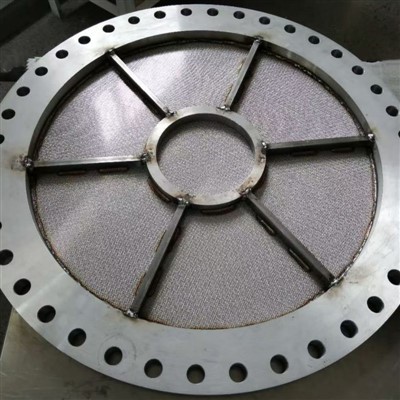
As a Wedge Wire Filter Screen supplier, we’re here to help you navigate these challenges. We have a wide range of products and the expertise to recommend the best solution for your specific application. If you’re facing any temperature – related issues with your filtration system or are just looking for a reliable filter screen, don’t hesitate to reach out to us. We can have a detailed discussion about your needs and come up with a customized solution.
Sintered Fibre Felt Material and Filter Let’s work together to ensure that your filtration system runs smoothly, regardless of the temperature!
References
- ASM Handbook Volume 2: Properties and Selection: Nonferrous Alloys and Special – Purpose Materials
- Perry’s Chemical Engineers’ Handbook
Henan Easy Filter Equipment Co., Ltd.
As one of the leading wedge wire filter screen manufacturers and suppliers in China, we offer a wide range of products with superior quality. Please rest assured to buy advanced wedge wire filter screen from our factory. We also accept customized orders.
Address: Apartment No.1, Building No.2, Zhengshang Jinyushijia, Xinzhong Street, Xinxiang, Henan, China.
E-mail: vivian@easyfiltertech.com
WebSite: https://www.easyfilter-china.com/
