Hey there! As a supplier of inspection drones, I’m super stoked to spill the beans on the different flight modes these cool gadgets have. Inspection drones have come a long way, and their various flight modes are what make them so versatile and useful in a bunch of different industries. Inspection Drone
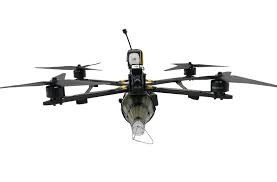
Let’s start with the most basic one: Manual Flight Mode. This is like the old – school way of flying a drone. You’re in full control, just like a pilot in a real – life cockpit. You use the remote controller to move the drone up, down, left, right, forward, and backward. It’s great when you need to have that hands – on approach, like when you’re doing a detailed inspection of a small area. Say you’re checking out a really intricate part of an old bridge. Manual flight gives you the freedom to hover right next to it, angle the camera just the way you want, and get those up – close and personal shots. But it does require a bit of skill. You gotta be good at handling the controls, or you might end up crashing the drone. And let’s be real, that’s not a situation anyone wants to be in.
Next up is the GPS – Assisted Flight Mode. This is a game – changer. Most modern inspection drones come with GPS technology built in. In this mode, the drone can use GPS signals to maintain its position in the air. It’s like having an invisible hand holding the drone steady. You can set a specific location for the drone to fly to and it’ll head there on its own. This is super useful for large – scale inspections. For example, if you’re inspecting a big solar farm, you can pre – program a series of waypoints using GPS coordinates. The drone will then fly from one waypoint to another, taking pictures and collecting data along the way. It saves a ton of time and effort compared to manual flight. Plus, it’s more accurate because the drone can follow a precise path.
Then we have the Follow – Me Mode. This is a really fun and practical mode. In Follow – Me Mode, the drone can track and follow a moving object. Usually, you use a tracking device, like a smartphone or a special beacon, to mark the object you want the drone to follow. This is great for inspections where you need to keep an eye on something that’s on the move. Maybe you’re inspecting a long pipeline, and you want to follow a maintenance vehicle as it moves along the pipeline. The drone will stay right behind the vehicle, capturing all the relevant data. It’s also handy for some outdoor sports events. You can have the drone follow an athlete during a race, and it can provide a unique perspective for inspection or just for recording.
Another cool mode is the Orbit Mode. In Orbit Mode, the drone will fly in a circular path around a fixed point. You can set the radius of the circle, the speed of the drone, and the height at which it orbits. This is perfect for inspecting tall structures like wind turbines or cell towers. The drone can circle around the structure, getting a 360 – degree view of it. It can capture images and data from all angles, which is essential for a comprehensive inspection. You can also adjust the orbit parameters on the fly to get different perspectives and focus on specific areas of interest.
There’s also the Waypoint Navigation Mode. This is similar to GPS – Assisted Flight Mode, but it’s more flexible. With waypoint navigation, you can create a detailed flight plan on a map. You can add multiple waypoints, set the altitude, speed, and camera settings at each waypoint. The drone will then follow this plan exactly as you’ve set it. This is ideal for complex inspections, like inspecting a large industrial facility. You can plan a route that takes the drone through different parts of the facility, making sure that every important area is covered. You can even program the drone to pause at certain waypoints to take more detailed measurements or pictures.
Now, let’s talk about the Return – to – Home (RTH) Mode. This is a safety feature that’s built into most inspection drones. If the drone loses connection with the remote controller, runs low on battery, or if you activate it manually, the drone will automatically fly back to its take – off point. It’s like having a safety net. You don’t have to worry about losing your expensive drone in the middle of an inspection. It’ll just come back to you. This mode uses the GPS coordinates of the take – off point to navigate back, and it’s a really reliable feature.
And last but not least, the Terrain – Following Mode. In this mode, the drone can adjust its altitude based on the terrain below it. It uses sensors, like ultrasonic sensors or LiDAR, to detect the distance to the ground. This is really useful for inspections in hilly or uneven terrain. For example, if you’re inspecting a forest or a mountainous area, the drone can fly at a consistent height above the ground, regardless of the ups and downs of the terrain. This ensures that you get good – quality data and images, as the camera is always at the right distance from the object of inspection.
So, as you can see, inspection drones have a wide range of flight modes, each with its own unique advantages. Whether you’re in the construction industry, energy sector, or any other field that requires inspections, there’s a flight mode that can meet your needs.

If you’re in the market for an inspection drone and want to learn more about how these flight modes can benefit your specific inspection tasks, I’d love to have a chat with you. We can discuss which flight modes are most important for your projects and find the perfect drone for you. Just reach out, and let’s start this exciting journey together!
Inspection Drone References
- "Drone Technology Handbook"
- "Advanced Flight Modes in Unmanned Aerial Vehicles" research papers from industry journals
- Manufacturer’s manuals of popular inspection drones
Shandong Lesong Drone Technology Co., Ltd.
As one of the most professional inspection drone manufacturers in China, our products have good reputation in the market. Please rest assured to wholesale high quality inspection drone for sale here from our factory. Good service and punctual delivery are available.
Address: Yuncheng County, Heze City, Shandong Province
E-mail: Ella36988@163.com
WebSite: https://www.china-uavfactory.com/
