In the realm of modern security systems, the seamless integration of magnetic lock bodies with wireless access control systems has revolutionized the way we secure our properties. As a leading supplier of magnetic lock bodies, I have witnessed firsthand the transformative power of this technology. Today, I’m excited to delve into the inner workings of how a magnetic lock body functions in tandem with a wireless access control system, shedding light on the science, benefits, and practical applications that make this combination an ideal choice for various security needs. Magnetic Lock Body
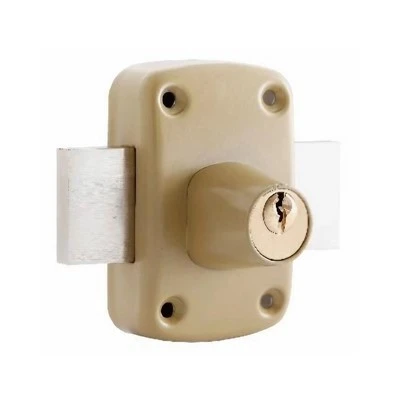
Understanding the Basics: Magnetic Lock Bodies
Before we explore the intricate dance between magnetic lock bodies and wireless access control systems, let’s first understand the fundamentals of magnetic lock bodies. A magnetic lock, also known as a maglock or electromagnetic lock, is a locking device that operates on the principle of electromagnetism. It consists of an electromagnet and an armature plate, which are typically mounted on the door frame and the door itself, respectively.
When an electric current is applied to the electromagnet, it generates a powerful magnetic field that attracts the armature plate, creating a secure bond between the door and the frame. This magnetic force is strong enough to prevent the door from being opened manually, even with a significant amount of force. Once the electric current is removed, the magnetic field dissipates, allowing the door to be opened freely.
One of the key advantages of magnetic lock bodies is their simplicity and reliability. Unlike traditional mechanical locks, which rely on complex mechanisms and keys, magnetic locks operate electronically, eliminating the need for physical keys and reducing the risk of lock picking or key duplication. Additionally, magnetic locks are designed to provide a high level of security, with some models capable of generating holding forces of up to several thousand pounds.
The Role of Wireless Access Control Systems
While magnetic lock bodies provide a secure physical barrier, they are only one piece of the security puzzle. To fully leverage the capabilities of magnetic locks and enhance the overall security of a property, a wireless access control system is essential. A wireless access control system allows authorized individuals to gain access to a locked area by using a variety of credentials, such as key cards, PIN codes, or biometric identifiers.
At the heart of a wireless access control system is a control panel, which manages the flow of information between the various access devices, such as card readers, keypads, and magnetic locks. The control panel is typically connected to a network, either wirelessly or via a wired connection, allowing it to communicate with a central server or monitoring station.
When an authorized user presents their credentials to an access device, the device sends the information to the control panel for verification. The control panel compares the presented credentials against a pre-approved list of authorized users stored in its database. If the credentials are valid, the control panel sends a signal to the magnetic lock, instructing it to release the door. Conversely, if the credentials are invalid or the user is not authorized to access the area, the control panel denies access and may trigger an alarm or notification.
How Magnetic Lock Bodies Work with Wireless Access Control Systems
Now that we have a basic understanding of magnetic lock bodies and wireless access control systems, let’s explore how these two components work together to provide a comprehensive security solution. The integration of a magnetic lock body with a wireless access control system is typically achieved through the use of a relay module, which acts as an intermediary between the control panel and the magnetic lock.
The relay module is connected to the control panel via a wired or wireless connection and is also connected to the magnetic lock. When the control panel receives a valid access request, it sends a signal to the relay module, instructing it to energize the magnetic lock. The relay module then activates the magnetic lock by applying an electric current to the electromagnet, creating a magnetic field that secures the door.
In addition to controlling the operation of the magnetic lock, the relay module also provides feedback to the control panel, indicating the status of the lock. This feedback allows the control panel to monitor the lock’s operation in real-time and detect any potential issues, such as a failed lock or a tampering attempt.
Benefits of Using a Magnetic Lock Body with a Wireless Access Control System
The combination of a magnetic lock body with a wireless access control system offers a wide range of benefits, making it an ideal choice for various security applications. Some of the key benefits include:
Enhanced Security
By integrating a magnetic lock body with a wireless access control system, you can significantly enhance the security of your property. The use of electronic credentials, such as key cards or biometric identifiers, eliminates the need for physical keys, reducing the risk of key duplication and unauthorized access. Additionally, the real-time monitoring capabilities of the access control system allow you to track who enters and exits your property, providing valuable insights into your security operations.
Convenience and Flexibility
Wireless access control systems offer a high level of convenience and flexibility, allowing authorized users to gain access to your property using a variety of credentials. This eliminates the need for users to carry multiple keys or remember complex PIN codes, making it easier for them to enter and exit your property. Additionally, the ability to remotely manage access permissions and monitor security events provides you with greater control over your security operations.
Scalability
One of the key advantages of wireless access control systems is their scalability. Whether you need to secure a single door or an entire building, a wireless access control system can be easily customized to meet your specific needs. You can add or remove access devices, such as card readers or keypads, as needed, and adjust access permissions for individual users or groups.
Cost-Effectiveness
Compared to traditional mechanical locks and access control systems, magnetic lock bodies and wireless access control systems offer a cost-effective solution for securing your property. The initial installation costs are typically lower, and the ongoing maintenance and operational costs are also significantly reduced. Additionally, the energy-efficient design of magnetic lock bodies helps to minimize electricity consumption, further reducing your operating costs.
Practical Applications
The combination of a magnetic lock body with a wireless access control system is suitable for a wide range of applications, including commercial buildings, educational institutions, healthcare facilities, and residential properties. Some of the specific applications include:
Office Buildings
In office buildings, magnetic lock bodies and wireless access control systems can be used to secure individual offices, conference rooms, and other restricted areas. By controlling access to these areas, you can protect sensitive information and assets, prevent unauthorized entry, and enhance the overall security of your workplace.
Educational Institutions
In schools and universities, magnetic lock bodies and wireless access control systems can be used to secure classrooms, laboratories, libraries, and other areas that require restricted access. This helps to ensure the safety and security of students, staff, and visitors, and prevents unauthorized access to sensitive areas.
Healthcare Facilities
In healthcare facilities, magnetic lock bodies and wireless access control systems can be used to secure patient rooms, pharmacies, laboratories, and other areas that require strict access control. This helps to protect patient privacy, prevent the theft of medications and medical equipment, and ensure the safety of patients and staff.
Residential Properties

In residential properties, magnetic lock bodies and wireless access control systems can be used to secure entry doors, gates, and other access points. This provides homeowners with an additional layer of security and peace of mind, allowing them to control who enters and exits their property.
Contact Us for Your Magnetic Lock Body Needs
Mortise Lock Body If you’re interested in learning more about how a magnetic lock body can work with a wireless access control system or would like to discuss your specific security needs, please don’t hesitate to contact us. As a leading supplier of magnetic lock bodies, we have the expertise and experience to provide you with the best solutions for your security requirements. Our team of professionals is dedicated to delivering high-quality products and exceptional customer service, ensuring that you have a seamless and hassle-free experience. Whether you’re a small business owner, a property manager, or a homeowner, we’re here to help you secure your property with the latest technology and innovative solutions.
References
- "Magnetic Locks: How They Work and Their Applications." SecurityInfoWatch.
- "Wireless Access Control Systems: A Comprehensive Guide." Security Boulevard.
- "Benefits of Using Magnetic Locks in Commercial Buildings." The Locksmith Ledger.
Jiangsu Wenzhong Lock Industry Co., Ltd.
As one of the most experienced magnetic lock body manufacturers and suppliers in China, we also support customized service. We warmly welcome you to wholesale bulk cheap magnetic lock body in stock here from our factory. If you have any enquiry about pricelist, please feel free to email us.
Address: Xiaoliang Industrial Park, Danyang City, Jiangsu Province
E-mail: Rongoo7@163.com
WebSite: https://www.wenzhonglocks.com/
