Hey there! If you’ve ever scoured for rubber insulation for your HVAC systems, refrigeration lines, or even industrial piping, you’ve probably hit that crossroads: natural rubber (NR) insulation vs. synthetic rubber insulation. As someone who’s been in the rubber insulation game for years, I’ve seen so many folks mix these two up, and it makes total sense—they look similar, work for similar jobs, but their deep-down differences? That’s where the line between “works great” and “costs you down the line” gets drawn. Let’s break this down like we’re chatting over a coffee, no stuffy jargon, just real, practical stuff you actually need to know. Rubber Insulation

First, let’s start with the basics: what even are these two, anyway? Natural rubber comes straight from nature—we tap latex from rubber trees (Hevea brasiliensis), cook it, process it into a usable material. Synthetic rubber? That’s man-made, made from chemicals like petroleum, designed to mimic or beat natural rubber’s performance. But the differences don’t stop at their source—they hit hard when it comes to core properties, use cases, cost, and even how you install and maintain them. That’s the stuff that matters when you’re picking insulation that has to hold up to 10 years of wear and tear, right?
Let’s dive into performance, because that’s the big one for insulation. First up: temperature range. Natural rubber insulation is solid for moderate temps—like between -20°F and 212°F. That’s perfect for standard HVAC ductwork, cold water pipes, or mild industrial lines. But push it past that? Natural rubber starts to break down quick. Get it near a steam line that’s 220°F? You’ll see it get brittle, crack, and lose its insulating ability in a matter of months. Now synthetic rubber? We’re talking a way wider range—most synthetic grades (like EPDM, neoprene, nitrile) handle from -80°F all the way up to 300°F, some even higher for specific blends. If you’re working with hot water lines, steam, or industrial processes that hit extreme temps? Synthetic’s your guy. I’ve had clients come back after using NR insulation on a hot pipe, complaining it was falling apart in a year—switching to synthetic fixed that overnight.
Next, stretch and durability, especially against wear. Natural rubber is super elastic, like, you can stretch it to twice its size and it’ll bounce back. That’s a win for things that need to flex, like insulation around pipes that vibrate (think HVAC fans or pump lines). But here’s the catch: that elasticity makes it softer, so it’s more prone to scuffs, tears, and mold. Wait, mold—yeah, natural rubber is organic, so it’s a food source for mold and mildew if it’s in a damp, poorly ventilated space. I’ve had a restaurant client call me panicking because their NR insulation under the kitchen sink was covered in black mold—turned out the damp environment did a number on it. Synthetic rubber, on the other hand, is a closed-cell material mostly, so it’s non-porous, resists mold, and is way tougher. Neoprene, for example, is resistant to oils and chemicals too—perfect for industrial plants where insulation might get splashed with lubricants or cleaning solutions. EPDM synthetic is super durable against UV light too, so if you’re using it outdoors, synthetic won’t crack or fade in the sun like NR will. That’s a huge one for people doing outdoor piping or roofing insulation.
Moisture resistance is another make-or-break for insulation, because if moisture gets in, it loses all its insulating value (that’s why wet insulation is a waste of money). Natural rubber is technically water-resistant, but its structure is a bit more porous than synthetic—so over time, especially if it’s installed without a proper jacket, it can absorb moisture. Plus, if there’s a small tear, water seeps in through the organic material and stays trapped. Synthetic rubber? Most closed-cell synthetic insulation (like the stuff we supply daily) has tiny, sealed air bubbles, so moisture can’t get in, period. I had a construction client last winter who used NR on a pipe running through a crawl space that had occasional leaks—their energy bills went up 15% because the insulation was damp. Switched to synthetic, bills dropped back to normal within a month. Big difference there.
Now, let’s talk cost, because that’s always a factor. Natural rubber is cheaper upfront—like 10-15% less per square foot than most synthetic grades. But wait, that’s the upfront cost. If you have to replace NR insulation every 2-3 years because it breaks down in extreme temps or mold, that adds up way faster than buying synthetic once every 10 years. I tell clients to do the math: if NR is $100 for a job that needs replacing twice, that’s $200 total. Synthetic is $120, but it lasts a decade—you’re saving $80 over time, no labor costs for re-installs either. Also, some synthetic grades are eligible for energy efficiency tax credits because they’re more effective at reducing heat loss, so that can offset the initial cost too. That’s a thing a lot of people miss—they only look at the first price tag, not the long game.
Use cases are where these two really shine in different spots. Let’s break it down: Natural rubber is best for low-stakes, indoor, moderate temp jobs. Like residential cold water pipes in a dry basement, standard HVAC ductwork in a small home, maybe temporary insulation for a construction project that’ll be torn down in a year. It’s easy to cut and shape, so DIY folks love it (I get a ton of small residential orders for NR, since it’s simpler to work with). But synthetic? It’s the go-to for almost all commercial and industrial jobs: HVAC in big office buildings, refrigeration lines in grocery stores, steam pipes in factories, outdoor piping, marine applications (synthetic resists saltwater, which NR doesn’t—salt makes NR corrode and break down fast). Even for specialty jobs, like insulation around fire sprinkler lines? Wait, no—wait, some synthetic rubber is fire-resistant, right? Yeah, we make fire-retardant synthetic grades that meet local building codes, which NR isn’t certified for in most cases. That’s a big deal for contractors who need to pass inspections.
Wait, let’s not forget installation ease, because that’s a practical point too. Natural rubber is soft and flexible, so you can cut it with a utility knife, glue it with basic rubber cement, no special tools. But it’s more prone to stretching out of shape during installation if you’re not careful—one wrong pull, and it’s too loose around the pipe, letting air leak in. Synthetic rubber is a bit firmer, so it holds its shape better, but you might need a specific adhesive or even foil jackets for outdoor installs. I always tell new installers: if you’re a DIYer, go for NR; if you’re a pro doing a big commercial job, stick to synthetic, it’s worth the extra 10 minutes of prep.
Also, let’s address common myths, because I hear these all the time. Myth #1: “All rubber insulation is the same.” Nope, I’ve seen NR and synthetic side by side, same thickness, totally different performance. Myth #2: “Natural rubber is more eco-friendly, so it’s better.” Wait, natural rubber is renewable, but most of the time, it has to be treated with chemicals to resist mold, so its eco footprint isn’t as clean as people think. Synthetic rubber is petroleum-based, but modern synthetics are getting way more eco-friendly—we supply a few low-VOC synthetic blends that meet green building standards, so you’re not stuck with a dirty material. Myth #3: “Synthetic is always better.” No, if you’re doing a small indoor job, paying extra for synthetic is a waste. NR works great for that, saves you cash.
Now, as someone who’s been supplying rubber insulation for years, I’ll be real: we sell both, but I always match people to what they actually need, not what’s the most expensive or the trendiest. If a residential customer comes in needing insulation for a cold water pipe, I point them to NR. If a factory manager calls for steam line insulation, I pitch synthetic. It’s not about pushing the most expensive product—it’s about getting the job done right, so my customers don’t have to call me back a year later saying their insulation is broken.
Here’s the thing to take away: when you’re choosing, ask yourself three questions. 1. What’s the temperature range the insulation will be exposed to? If it’s under 212°F, dry, indoor, NR works. If it’s over that, outdoor, or damp, go synthetic. 2. How long do you need it to last? If it’s a temporary job, NR is fine. If it’s for a 10+ year installation, synthetic will save you money. 3. What’s the environment like? Damp, oily, outdoor, or mold-prone? Synthetic is non-negotiable. Dry, low-use? NR is a solid pick.
At the end of the day, both natural and synthetic rubber insulation have their place—they’re both rubber, they both do the job of keeping pipes at the right temp, but their differences make them for totally different scenarios. I’ve seen too many people pick the wrong one and end up with headaches (higher bills, mold, replacement costs) that could’ve been avoided with a quick chat about what they actually need.
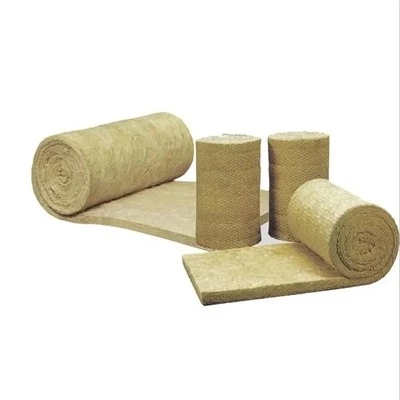
If you’re not sure which one’s right for your project—whether it’s a small residential fix, a big commercial HVAC job, or industrial piping—hit us up to connect and chat through it. We’ve got samples, we know the ins and outs of every grade, and we’ll help you pick something that works for your budget and your timeline. No sales pitches, just straight talk from someone who’s been in the insulation game way too long to sugarcoat it.
Fire Rated Duct Wrap References:
- ASTM International. (2021). Standard Test Methods for Rubber Properties in Tension. ASTM D412-21.
- Shaw, D. J. (2020). Rubber Technology: Principles and Practice (5th ed.). Elsevier.
- National Insulation Association. (2022). Closed-Cell vs. Open-Cell Insulation: Performance and Application Guidelines. NIA Technical Bulletin 101.
- Environmental Protection Agency. (2021). Energy Efficiency Improvement for Commercial Buildings: Insulation Material Selection Guide. EPA 430-B-21-002.
- ASTM International. (2022). Standard Specification for Flexible Cellular Insulation Used for Thermal Insulation. ASTM C534-22.
Langfang Yafeng Energy-Saving Technology Co., Ltd.
As one of the most professional rubber insulation manufacturers and suppliers in China, we’re featured by quality products and good price. Please rest assured to buy bulk premium rubber insulation for sale here from our factory. Welcome to view our website for more information.
Address: Langfang Xinyafeng, Liugezhuang Town, Dacheng County, Langfang City, Hebei Province
E-mail: yafengbaowen@gmail.com
WebSite: https://www.xyfinsulation.com/
