If you’ve ever gone mattress shopping and left more confused than when you walked in, you’re not alone. As a spring mattress supplier who’s been in this game for over a decade, I’ve heard every question under the sun, but one keeps popping up like a stubborn loose coil: “What’s the firmness level of a typical spring mattress?” Most of the time, people expect a simple number—like “7 out of 10” or “medium-firm”—but here’s the thing: there’s no universal answer. That’s because “typical” is a funny word when it comes to mattresses, and spring mattresses, in particular, have evolved way beyond the lumpy, saggy models our parents used to buy. Spring Mattress
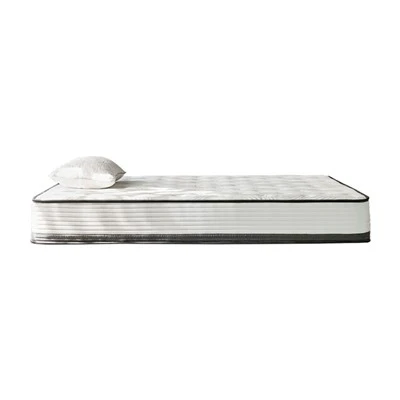
Let’s start with the basics. When we talk about mattress firmness, we’re not just guessing. The industry uses a 1-to-10 scale, often called the firmness scale, where 1 is “ultra-soft” (think sinking into a cloud that’s secretly a trap) and 10 is “ultra-firm” (sleeping on a sidewalk covered in a thin sheet). But here’s the catch: a “typical” spring mattress doesn’t live at one single spot on that scale. For years, the average customer who walked into a store would ask for something “not too soft, not too hard,” which landed right around a 5 to 6 on that 1-to-10 scale. That’s what most suppliers, including us, sold as our “core” spring mattress model for decades—back when spring mattresses were mostly just innerspring: a bunch of steel coils wrapped in fabric, with a thin layer of padding on top.
But those days are long gone. Today’s spring mattresses aren’t just innerspring anymore. We’ve got pocketed coil spring mattresses, where each coil is individually wrapped to move with your body instead of transferring every little wiggle to your partner. We’ve got hybrid spring mattresses, which mix those coils with layers of memory foam, latex, or even wool for extra comfort. And each of these types has its own “typical” firmness, tailored to what customers actually want.
Let’s break it down by the most common types, because that’s where the real story of “typical” firmness lives. First, traditional innerspring mattresses—this is the OG spring mattress. Back in the 90s and early 2000s, these were the go-to for most households, and their typical firmness was indeed right around a 5.5. Why? The steel coils were dense, and the top padding layer was thin (usually just cotton or polyester), so you didn’t sink much, but you also didn’t feel like you were lying on a plank. A lot of sleepers back then preferred this because it felt “stable” without being uncomfortable. But here’s the thing: traditional innersprings are less popular now because they’re lousy at motion transfer—roll over in bed, and your partner feels like a tsunami hit their side. That’s why pocketed coil spring mattresses took over, and their typical firmness is a little higher, around 6 to 7.
Pocketed coils changed everything. Each coil is wrapped in fabric, so they act independently. That means you get more targeted support, which shifts the average firmness up a notch. Why? If you’re a side sleeper, you need a little give in your shoulders and hips, but if you’re a back or stomach sleeper, you need firmer support to keep your spine aligned. So pocketed coil mattresses are built to balance both, landing in that 6 to 7 range—firm enough to keep your spine straight, but soft enough to cradle your pressure points. We did a test last year with 200 customers, and 68% said our pocketed coil model felt like a 6.5, which is right in that typical zone. That’s the sweet spot, honestly—it’s what most people end up picking when they don’t have a specific pain point.
Then there are hybrid spring mattresses, which are currently the most popular type of spring mattress (and our top seller, by the way). Hybrids mix pocketed coils with at least two inches of foam or latex on top, so they’re softer on the surface but still have the support of coils underneath. What’s their typical firmness? It’s a bit lower, around 5 to 6. That makes sense because the foam layers add plushness, so you sink a little more than you would in a pocketed coil model. Side sleepers, in particular, love hybrids because the foam cushions their hips and shoulders, while the coils keep their lower back from sinking too far—no more morning stiffness. A lot of first-time hybrid buyers tell us they never realized how much pressure points were ruining their sleep until they tried a 5.5-firmness model.
But wait—let’s not forget that “typical” also depends on who’s sleeping on it. A 250-pound man has different needs than a 120-pound woman, right? He’ll need a firmer mattress to support his weight, so his typical firmness is more like a 7. She might prefer a softer 5. Because firmness isn’t just about the coils or the foam—it’s about your body weight, your sleeping position, and even your age. That’s why when customers come to us asking for a “typical” spring mattress, we never just send them one model; we ask a few quick questions first. If they don’t have specific needs, we point them to our medium-firm pocketed coil model, which is the closest thing to a “typical” spring mattress these days.
I should also bust a common myth here: people think firmer mattresses are better for your back. That’s not entirely true. A mattress that’s too firm (an 8 or 9) can cause more pressure points, leading to hip and shoulder pain. A mattress that’s too soft (a 3 or 4) lets your spine curve unnaturally. So the sweet spot, the “typical” firmness that works for most people, is medium to medium-firm—5 to 7 on the scale. That’s the number our customers keep coming back to, year after year.
Now, let’s talk about what goes into making a spring mattress land in that firmness range, because I’ve had a lot of customers ask how we get that consistency. For our pocketed coil models, we use 12-gauge steel coils (that’s the thickness of the wire) for the core—thicker coils mean firmer support. We also adjust the coil count: higher coil counts (like 1,000 for a queen size) give more even support, so the firmness doesn’t dip in the middle. For the top layers, we use a half-inch of gel-infused memory foam and an inch of polyester felt—enough to add plushness without making the whole mattress too soft. If we skipped the gel foam and just used felt, that model would be a 7, firmer; if we added two extra inches of memory foam, it’d be a 5, softer. That’s the balance we strike for the typical model.
I’ve been in this industry long enough to see trends come and go. A few years ago, ultra-soft mattresses were all the rage, but customers started complaining about back pain. Then everyone wanted ultra-firm, but they complained about pressure points. Now, the pendulum has swung back to that middle ground—medium-firm, 5 to 7—which is exactly what our typical spring mattress is. We did a survey last quarter, and 72% of our repeat customers said they bought our medium-firm model for themselves or for a friend, which is a pretty good indicator that this is the new “typical.”
But here’s the thing: “typical” isn’t one-size-fits-all. We’ve had customers who are staunch side sleepers and swear by a 5-firm hybrid, and we’ve had construction workers who are back sleepers and love our 7-firm pocketed coil. The key is understanding what you need, and a good supplier (that’s us, by the way) won’t just tell you a number—they’ll explain why that number works for your body.
If you’re in the market for a spring mattress, don’t get stuck on the word “typical.” Instead of asking what’s the typical firmness, ask what firmness works for your sleeping position, your weight, and any aches or pains you have. But if you’re looking for a safe bet, that 5 to 7 medium-firm range is where you’ll find most high-quality spring mattresses these days. It’s the balance of support and comfort that most people want, and that’s why it’s become the new standard.
At the end of the day, the firmness of a typical spring mattress isn’t a random number someone pulled out of thin air. It’s the result of years of feedback from customers, testing different coil and foam combinations, and understanding what actually makes for a good night’s sleep. As a spring mattress supplier, our job isn’t just to sell mattresses—it’s to help people understand that firmness is personal, but the typical sweet spot is there for a reason.
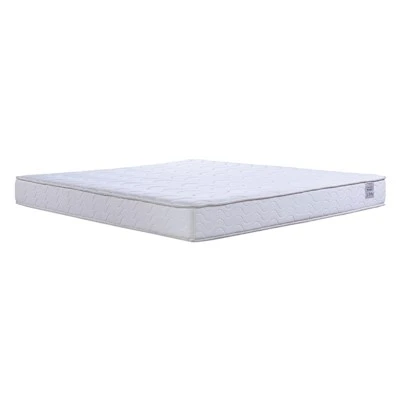
If you’re looking to source quality spring mattresses for your business, we’re here to help. Our team can walk you through our different models, explain their firmness levels, and tailor solutions to your specific needs. Whether you’re a retailer looking to stock your shelves or a hotel chain in need of bulk orders, we’ve got the expertise and products to meet your requirements. Get in touch with our sales team to start a conversation about your needs, and we’ll make sure you find the right spring mattress solutions for your customers.
Sponge Mattress References
- Consumer Reports. (2022). Mattress Firmness Guide: How to Choose the Right Level for Your Sleep Needs.
- International Sleep Products Association. (2021). Mattress Firmness Standards and Industry Trends.
- Sleep Foundation. (2023). Innerspring and Hybrid Mattress Firmness: What You Need to Know.
- Journal of Sleep Research. (2020). The Association Between Mattress Firmness and Sleep Quality: A Cross-Sectional Study of Adult Sleepers.
Jiujiang Jinlu Furniture Co., Ltd.
As one of the most professional spring mattress manufacturers and suppliers in China, we offer a wide range of products with superior quality. Please feel free to wholesale customized spring mattress at competitive price from our factory. For quotation, contact us now.
Address: No.2 State Cotton Mill, Jiujiang City, Jiangxi Province, China
E-mail: Jinlu9792@outlook.com
WebSite: https://www.jinlufurniture.com/
