Hey guys, if you’ve ever stared at a gate valve on a pipeline and thought “I know how to turn this,” but then accidentally stripped the handwheel or left it so stuck you had to call a maintenance team at 2 a.m. – trust me, you’re not alone. I’ve been working as a gate valve supplier for over a decade, and let me tell you, one of the most common mistakes new installers, plant operators, even part-time maintenance guys make is treating every gate valve like a generic on/off switch. Last year alone, I got three emergency calls from a client who messed up a 12-inch gate valve on their water treatment line, and fixing that damage cost them more than the whole set of valves I supplied them with. So today, I’m breaking down exactly how to operate a gate valve the right way – no fancy jargon, just real stuff I’ve picked up from being in the field, troubleshooting, and learning from every oops moment my customers had. Gate Valve
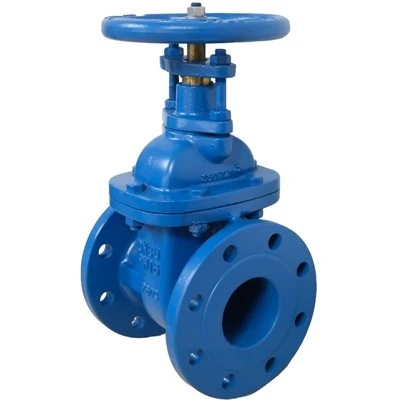
First off, let’s get one thing straight: gate valves aren’t ball valves. Ball valves are quarter-turn, flip ‘em open or shut and you’re done. Gate valves work by lifting a flat, wedge-shaped gate up and down to control flow, which means their whole operation is way more specific. Skip the small details, and you’re looking at a valve that won’t fully open (so flow is restricted, wasting energy) or won’t shut all the way (leaks cost you money fast).
Before you even touch the handwheel, do two quick checks that take 30 seconds max, and they’ll save you so much headache later. First, look at the valve’s position indicator – most gate valves have a little “open” and “closed” mark on the stem, either etched right into the stem or on the bonnet (the top part where the handwheel connects). If the stem’s sticking way out, that’s already open; if it’s pulled all the way down, that’s closed. Don’t just assume it’s in neutral. I’ve seen guys waste 10 minutes cranking a valve that was already fully open because they skipped this step. Second, check if the line is pressurized. Never try to operate a gate valve while the line is under full pressure if you’re working on a small or medium valve – that pressure can whip the handwheel right out of your hand, leaving you with a bruised wrist and a bent valve stem. For large industrial valves, you might need a pressure bypass or to equalize pressure on both sides first, but that’s a deeper dive; for most commercial or residential lines, just confirm the line isn’t live before you start.
Now, let’s get to the actual turning part. This is where 90% of mistakes happen. Let’s start with opening a valve, because most people rush this. When you turn the handwheel clockwise, that’s closing it, counterclockwise is opening – simple enough, right? But here’s the rule: open the valve slowly. Don’t spin the handwheel like you’re racing someone to get it open. Why? Because if you yank the gate up too fast, you can create a water hammer – that loud, banging noise in the pipes that shakes everything. Water hammer doesn’t just rattle; it can crack pipes, damage fittings, even ruin the valve itself. I had a client a few years back who spun a 6-inch gate valve open in two seconds, and the water hammer cracked a 10-foot section of PVC pipe on his irrigation line – cost him $1,200 in repairs, plus he lost half a day’s watering for his crops. So take it slow: turn the handwheel about one full rotation every two seconds, and stop when you hit the point where it won’t turn anymore. Wait, “won’t turn anymore” – that’s not the fully open point. That’s when the gate is seated firmly, and if you keep cranking, you’ll strip the stem threads or warp the gate. The trick here is that once you feel that slight resistance when it’s almost fully open, back off about a quarter turn. That’s the sweet spot. A fully open gate valve’s gate is all the way lifted out of the flow path, so flow is at 100%, and if you leave it cranked all the way tight, you’re just putting unnecessary stress on the valve’s internal parts. Over time, that stress leads to leaks and early failure.
Closing a valve is almost the same, but with one extra step to avoid leaks. Again, turn counterclockwise to close, slowly at first to prevent water hammer as flow slows down. Once you start feeling resistance, that’s the gate making contact with the seat. Here, you do want to apply a little extra torque – not brute force, mind you, but enough to get a good seal. How much? If you’re using your bare hands, stop when you can’t turn it anymore without standing on something or using a cheater bar (that extra pipe you slip over the handwheel for leverage) to avoid over-tightening. Wait, hold on – cheater bars. I see this all the time: people grabbing a pipe to crank a stuck gate valve, and that’s a big no-no. Gate valves aren’t designed to take the kind of force a cheater bar gives, especially smaller ones. If a valve is stuck, don’t force it – that’s how you break the stem or crack the bonnet. Instead, first check if there’s pressure still trapped on one side (equalizing pressure helps a lot), or if it’s just a little corrosion on the stem. A light spray of penetrating oil (WD-40 works fine, just don’t use too much) 15 minutes before trying to turn it usually frees it up. For larger industrial valves, you might need a valve wrench, but even then, don’t go overboard.
Another common mistake: turning the valve past the stops. Most gate valves have a hard stop – either a shoulder on the stem or a pin that keeps the gate from lifting too far or closing too tight. If you crank it past that, you’re doing damage. I once had a customer who kept opening a valve all the way and then turning it “just a little more” because he thought it needed a tighter seal. He snapped the stem right off, and we had to send a technician out to replace the valve for free (good thing we stand behind our products, but that was totally avoidable). How do you avoid that? After the first few times operating a valve, you’ll learn how many turns it takes to go from fully closed to fully open. A small 2-inch valve might take 8-10 turns, a 10-inch valve could take 20 or more – so count as you turn, and stop when you hit the full count. No guessing.
Wait, what about when a valve is in service for years and gets stiff? That’s normal, especially if it’s in a line that’s rarely operated. If you have a gate valve you don’t use often, it’s a good idea to exercise it every six months – open and close it fully, with that quarter turn back once open, to keep the stem lubricated and the gate moving smoothly. Don’t wait until it’s stuck to do anything, because by then, corrosion or mineral buildup could make it impossible to turn without forcing it.
Let me also clear up a myth I hear all the time: gate valves make good throttling valves. No, they don’t. Throttling is when you partially open the valve to control flow rate, like how a ball valve works. Gate valves have that flat gate that, when partially open, can vibrate really bad from the flow, which wears out the seat and gate super fast. If you need to adjust flow, use a globe valve or a ball valve – leave gate valves for full open or full shut only. That’s a big one; I’ve seen customers try to use gate valves to control water flow to a garden bed, and within a year, the valve was leaking because the gate got worn out from being half open all the time.
Now, let’s talk about some specific scenarios, because not all gate valves are the same. For residential or small commercial valves (the ones you’d see on a home’s main water line, or a small shop’s supply), they’re usually bronze or cast iron. For these, you never need to use a wrench or cheater bar – hand tight is enough. If you can’t turn it by hand, don’t force it, call a plumber. For industrial valves (12 inches and up, on oil pipelines, water treatment plants, factories), they’re usually stainless steel or ductile iron. For these, you might need a valve wrench, but again, don’t overdo it. Also, these valves often have external lubrication points on the stem – use a valve grease every year to keep the stem moving and prevent rust.
What about leaks? If you close a gate valve and it’s leaking around the stem (the part where the stem comes out of the bonnet), that’s usually from the packing – the ring of material around the stem that seals it. For small valves, you can usually tighten the packing gland nuts a quarter turn each to stop the leak. Don’t tighten them too much, though – that will make the stem hard to turn. For larger valves, you might need to adjust the packing or replace it, which is a job for a professional if you’re not comfortable.
Here’s the thing: gate valves are built to last, but only if you operate them right. I’ve sold valves to clients that have been in place for 25 years, still working perfectly, because they followed these simple steps. And I’ve seen valves die in two years because someone cranked them too hard, turned them half open all the time, or tried to operate them under pressure.
If you’re in the market for gate valves and want ones that hold up even when operated correctly, we’ve got all sizes, materials, and pressure ratings for every use – from home plumbing to industrial pipelines. Our team can help you pick the right valve for your line’s size, pressure, and what it’s used for. Don’t wait until your next valve breaks or leaks to replace it – reach out to our purchasing team to talk through your needs, get quotes, and make sure you get a valve that works for you. We’re here to answer any questions you have, even if it’s just to confirm how to operate a valve you already bought.

At the end of the day, operating a gate valve isn’t rocket science, but it’s not just turning a wheel either. It’s about taking your time, not forcing it, and respecting how these valves work. Skip the shortcuts, follow these steps, and you’ll avoid so many headaches down the line.
Gate Valve By Stem Type References:
- Valve Maintenance and Operation Guidelines, American Water Works Association, 2021
- Industrial Gate Valve Best Practices, API (American Petroleum Institute), 2020
- Residential Plumbing Valve Operation Guide, International Association of Plumbing and Mechanical Officials, 2019
Yantai Valtone Valve Co., Ltd.
As one of the most professional gate valve manufacturers and suppliers in China, we have world-leading production equipment and strong manufacturing capabilities. Please rest assured to buy bulk durable gate valve for sale here from our factory. We also accept customized orders.
Address: No.13, Wuhan street, Bajiao industry park, Yantai ETDZ, Shandong, China.
E-mail: liujun@valtone-valve.com
WebSite: https://www.valtonevalve.com/
