If you’ve ever walked through a sheet metal fabrication shop at 7 a.m., you’ve probably heard that distinct, rhythmic clank of metal being punched, cut, and shaped into parts—think the side panel of a dishwasher, the brackets that hold your office chair together, or even the metal brackets inside your smartphone case. A big part of that clank comes from the unsung workhorse of that shop: the toggle blanking machine. As a supplier who’s been working with these machines for over 12 years, I’ve heard more questions about toggle blanking machines than I can count, from new fabricators just starting out to seasoned owners looking to upgrade their workflow. Today, let’s break down what this machine actually is, how it works, why it’s so critical for sheet metal operations, and what makes it different from other types of blanking equipment out there. Blanking Machine
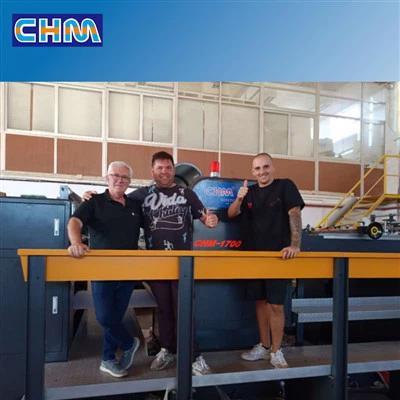
First, let’s start with the basics: “blanking” itself is a metal fabrication process where you punch a flat, custom-shaped piece of material (called a “blank”) from a larger sheet of metal, usually steel, aluminum, brass, or copper. The blank is the raw material that will later be bent, formed, or assembled into a final product. Blanking machines are what make that punch happen, and toggle blanking machines are a specific category of those, named for their core mechanical system: the toggle drive. If you’ve ever used a pair of scissors and felt that extra push you need to snip through thick paper, that’s a tiny version of the toggle mechanism at work here.
Let’s dive deeper into that toggle drive because it’s what sets this machine apart. A toggle drive is a set of mechanical linkages (think of them as interlocking metal arms) connected to a crankshaft and a ram—the part that moves up and down to punch the metal. When the crankshaft turns, it pulls the toggle links into a straight line, which exerts a massive, concentrated force at the exact moment the ram hits the metal sheet. This is different from other blanking drives, like eccentric or hydraulic ones, in key ways. For one, toggle drives are built to deliver high force over a short, precise stroke, which is perfect for blanking thick or dense materials where you need that sudden, powerful punch to cut through cleanly without warping the metal. Eccentric drives, by contrast, deliver force more gradually, which works for lighter stamping jobs but isn’t as efficient for heavy blanking. Hydraulic drives are adjustable, but they tend to be slower and less energy-efficient for high-volume blanking runs than toggle machines are.
So what does a toggle blanking machine actually look like in action? Let’s walk through a typical job. A fabricator has a 4×8 foot sheet of 10-gauge cold-rolled steel that needs to be cut into 100 identical 2×3 inch blanks for appliance brackets. First, they load the sheet onto the machine’s worktable, which has precision guides to line the sheet up exactly with the punch and die. The operator inputs the dimensions of the blank into the machine’s control panel (most modern toggle blanking machines have digital controls now, though some older manual models are still used in small shops), sets the number of blanks needed, and presses the start button. The ram lowers at a controlled speed, touches the surface of the metal, and at the exact moment the punch reaches the die below, the toggle drive engages, delivering that burst of force to slice the blank completely free. The ram pops back up, the worktable shifts the sheet into position for the next blank, and the cycle repeats—sometimes up to 60 times per minute, depending on the machine size and material. No sharp edges, no warped metal, and each blank is identical to the last, which is non-negotiable for parts that will be assembled into larger products.
Now, you might be wondering: is a toggle blanking machine only for big, heavy parts? No, actually. There are toggle blanking machines sized for every job, from tiny ones that punch blanks for electronics components (think the metal shielding inside your laptop) up to large models that handle thick steel blanks for construction beams or automotive chassis parts. The sweet spot for toggle machines is when you need consistent, high-force cutting for medium to heavy gauge materials, and that makes them incredibly versatile for shops that do a mix of jobs. I’ve seen small fabrication shops with a single 20-ton toggle blanking machine handle everything from custom metal signs to replacement parts for farm equipment, and mid-sized shops with 100-ton models running 10-hour shifts producing parts for major appliance brands.
One of the biggest advantages I’ve seen toggle blanking machines offer over other types of blanking equipment is their durability and low long-term operating costs. The toggle mechanism is a simple, mechanical system with fewer moving parts than hydraulic drives, so there’s less that can go wrong—no hoses to replace, no fluid leaks to clean up, and less routine maintenance overall. That’s a huge deal for small shops that can’t afford to have their main workhorse out of commission for weeks waiting for a part. Also, because toggle drives deliver force only at the bottom of the stroke, they use less energy than hydraulic machines, which are running their pumps constantly even when not punching. For a shop running 500 hours a month, that adds up to significant savings on electricity bills, which is a big win in today’s competitive fabrication market.
But like any piece of equipment, toggle blanking machines aren’t one-size-fits-all, and there are a few key factors to consider if you’re in the market for one. First, tonnage: that’s the amount of force the machine can deliver, and it has to match the thickness and type of metal you’re working with. For example, a 10-gauge aluminum blank will need a lot less tonnage than a ¼-inch steel blank, so buying a machine with more tonnage than you need just wastes money. Second, worktable size: if you’re cutting large blanks or using entire sheets, you’ll need a machine with a worktable that fits your material size. Some shops also opt for toggle blanking machines with automatic sheet feeders, which can load and position sheets without an operator, boosting production for high-volume jobs. Third, precision: for parts that need to be assembled into tight spaces (like automotive components), you’ll want a machine with high alignment between the punch and die to ensure every blank has the exact same dimensions, no more than a few thousandths of an inch off.
I’ve seen shops make the mistake of buying a cheaper, low-quality toggle blanking machine just to save money, and it always ends up costing them more in the long run. A machine built with cheap, worn parts will produce inconsistent blanks, break down frequently, and require expensive repairs after just a few years, whereas a high-quality toggle machine from a reputable supplier can last 20 years or more with regular maintenance. I’ve had customers tell me their first toggle blanking machine is a 30-year-old model I sold them back in 2003, and it’s still running three shifts a week—proof that these machines are built to last when they’re properly made.
Another thing that sets toggle blanking machines apart from other blanking methods is the quality of the blank edge. When you use a shear or a laser cutter to separate a blank from a sheet, you often have to do secondary operations like deburring to smooth sharp edges. But because toggle blanking uses a shearing action between the punch and die, the blank edge is clean and burr-free right out of the machine. That cuts down on time spent finishing parts, which translates to higher productivity and lower labor costs. For parts that will be painted or coated, a clean blank edge also means better adhesion, so you don’t have to worry about paint chipping or peeling later.
Of course, no machine is perfect, and toggle blanking machines do have limitations. They’re not the best option for very low-volume jobs, where setting up the punch and die for a single part isn’t worth the time. For custom, one-off blanks, a laser cutter or a waterjet might be a better choice. They’re also less flexible for complex, irregular shapes—if you need a blank with curved edges or multiple holes, you’ll want a stamping press that can do more than just simple blanking. But for high-volume, high-consistency blanking of simple, flat shapes, there’s still no better option than a toggle blanking machine.
Over the years, we’ve seen a lot of changes to toggle blanking machines. Modern models now come with digital control panels that let operators input dimensions, adjust stroke speed, and monitor tonnage in real time, which reduces human error and makes setup faster. Some even have safety features like light curtains that stop the machine if an operator’s hand gets too close to the ram, which is a big improvement over old manual models that required guards and strict operator training. We’ve also adapted our machines to work with newer materials, like advanced high-strength steels used in automotive parts, so fabricators don’t have to invest in entirely new equipment as materials evolve.
As a supplier, I’ve had the chance to work with shops across all sizes, from garage startups to large international manufacturers, and I always tell them that a toggle blanking machine isn’t just a piece of equipment—it’s an investment in their productivity and quality. If your shop is struggling with inconsistent blank quality, high maintenance costs, or slow production for mid to heavy gauge blanks, a toggle blanking machine is probably the solution you’ve been looking for.

If you’re ready to learn more about how a toggle blanking machine can fit your fabrication workflow, we’re here to help. We can walk you through tonnage requirements, worktable size, and additional features that will suit your specific jobs, so you don’t end up buying more or less than you need. Whether you’re replacing an old machine or upgrading your entire line, we provide ongoing support, maintenance, and parts to keep your toggle blanking machine running for years to come. Get in touch with our team today to discuss your blanking needs and find the right machine for your shop.
E-commerce Packaging Machine References
- Huhn, R., “Mechanical Blanking Processes for Sheet Metal”, Fabricator Magazine, 2019.
- Kalpakjian, S., Schmid, S.R., Manufacturing Processes for Engineering Materials, 7th edition, Pearson, 2019.
- American Iron and Steel Institute, “Sheet Metal Blanking and Stamping Best Practices”, 2021.
- Blanking Machinery Association, “Toggle Drive Technology in Sheet Metal Fabrication”, Industry Technical Report, 2020.
Sheng Ding Group Limited
We’re well-known as one of the leading blanking machine manufacturers and suppliers in China. With abundant experience, we warmly welcome you to buy advanced blanking machine for sale here from our factory. For quotation, contact us now.
Address: FLAT E 16/F SUPERLUCK IND CTR 57 SHA TSUI RD PHASE 2 TSUEN WAN NT
E-mail: chm007@szchm.com
WebSite: https://www.packagmachine.com/
