Let’s cut to the chase—if you’re in the business of selling high pressure washer accessories (which, full transparency, I do), you’ve probably gotten this question a hundred times: “Can I just use my existing pressure washer parts for roof cleaning, or do I need something special?” I get it. When you’ve got a truck stacked with nozzles, wands, and extension arms, the last thing you want to do is drop cash on new gear for a job that feels “similar” to siding or driveway cleaning. But here’s the thing—roof cleaning isn’t just another pressure wash task. It’s messy, it’s fragile, and one wrong move can turn a quick job into a $10k roof replacement. Let’s break this down like we’re chatting over a coffee at a trade show booth, no jargon, no sales fluff. High Pressure Washer Accessories
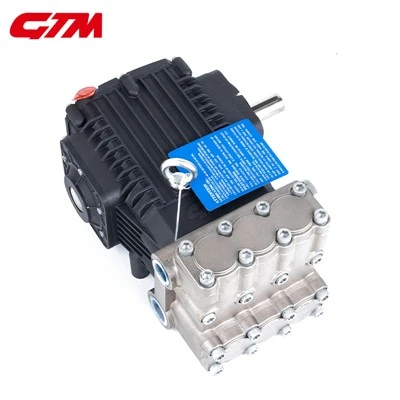
First, let’s get the basics straight: most standard high pressure washer accessories aren’t built for roof work. Let’s start with nozzles, since that’s the most common shortcut people try. A 0-degree nozzle, which you might use for stripping oil off a driveway or blasting caked-on gum from concrete, puts out a super narrow, high-impact jet. Aim that at a roof shingle, and you’ll punch right through the asphalt coating that holds the shingle together. Even a 15-degree nozzle, usually for heavy-duty concrete cleaning, is way too intense for asphalt shingles—studies (we’ll get to those later) say pressure over 1,500 PSI can damage shingle granules, which is the first step to your roof leaking in 2 or 3 years. That’s not a “quick clean”—that’s a headache for both you and your client.
What about extension wands? A lot of us carry those long telescoping wands to reach second-story siding, so it makes sense to yank one out for a roof. But standard extension wands aren’t designed to distribute pressure evenly over a sloped surface. If you’re holding the wand at a weird angle to avoid slipping, the jet might focus too much on one spot of the roof, leading to those same shingle granules I mentioned. Plus, roof surfaces are uneven—shingles have bumps and valleys, so a straight extension wand’s uniform spray can blast the valleys too hard while leaving the peaks untouched. You’ll end up with inconsistent cleaning and extra damage.
Now, let’s talk about the accessories that do work for roof cleaning—wait, no, wait, not your standard ones. The ones that are made specifically for this job. First up: low-pressure surface cleaners or, more accurately, soft wash kits. Wait, “soft wash” is just using a low-pressure washer (usually 300-800 PSI) paired with a detergent to kill moss, algae, and mildew, right? And the key accessory here is a fan nozzle—specifically a 25- to 40-degree fan nozzle. That wide spray spreads the pressure out so it’s gentle enough for shingles but still powerful enough to loosen gunk. But here’s the catch: that fan nozzle has to be rated for low-pressure use. A standard 25-degree nozzle is built for high pressure, so even if you turn your pressure way down, it might not atomize the detergent correctly, and you’ll end up with streaks instead of a consistent clean.
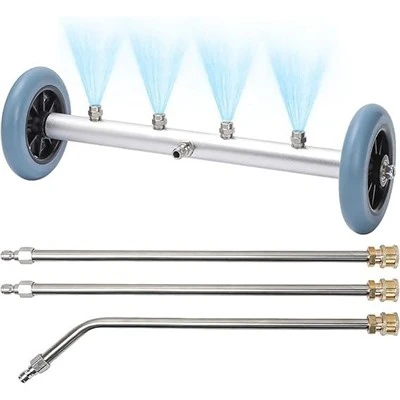
Another game-changer accessory: roof cleaning wands. These aren’t the long, rigid extension wands you use for siding. They’re curved, so you can hold them flat against the roof’s slope without craning your neck or risking a fall. Most also come with a wide-angle spray tip built right in, so you don’t have to swap nozzles mid-job. I’ve seen contractors skip these and try to hold a standard fan nozzle on a bent extension, and 9 times out of 10, they slip—ruining a nozzle or, worse, tipping the ladder. That’s the kind of mistake that makes clients nervous to hire you again.
Then there’s the whole detergent injection system. A lot of people just dump bleach or detergent into a bucket and brush it on by hand, but using a pressure washer’s detergent injector accessory means you can apply it evenly from the ground or from the roof, no ladders full of buckets. But here’s the fine print: standard detergent injectors can’t handle the thick, concentrated roof cleaning formulas. They’ll clog up if you use the wrong stuff, so you need an injector rated for low-pressure, chemical-resistant use. Trust me, I’ve had a guy come to my booth last year complaining his injector broke because he used too thick a moss killer—we swapped him for a chemical-specific one, and he hasn’t had a problem since.
Now, let’s get into the science part, because I know some of you are the “show me the data” type. The National Roofing Contractors Association (NRCA) did a study a few years back on pressure washing vs. soft washing for roof maintenance. They found that high-pressure washing (over 1,000 PSI) removed up to 60% of shingle granules within a single pass, which cuts a roof’s lifespan by 3 to 5 years. Soft washing, using 500 PSI or less and a EPA-approved algicide, removed 90% of moss and algae with less than 5% granule loss. So if you’re using your standard high-pressure accessories for roof cleaning, you’re not just risking a bad finish—you’re risking permanent damage to the roof, which is a huge liability.
Another study, from the International Association of Certified Home Inspectors (InterNACHI), looked at common mistakes contractors make when cleaning roofs. The top two? Using the wrong nozzle (90% of bad jobs) and not testing pressure on an inconspicuous spot first. I can’t tell you how many times a contractor has rushed to a job, grabbed their standard 0-degree nozzle, and blasted a test spot on the front of the roof—only to watch the asphalt coating peel right off. That’s why I always tell my customers: test first, adjust accessories accordingly.
Wait, but let’s be real—what if someone doesn’t want to buy all new accessories just for roof cleaning? Are there any hacks that let you repurpose what you already have? Let’s see: if you’ve got a high-pressure washer that has a built-in low-pressure mode, you can swap your 0-degree nozzle for a 40-degree fan nozzle, and extend your wand with a flexible extension hose instead of a rigid extension. But even that’s a workaround, not a ideal solution. The flexible hose lets you angle the spray without twisting the wand, which reduces the risk of uneven pressure. But it’s still not as safe or effective as a purpose-built roof wand. I’ve had a few customers tell me they use that workaround for small, one-story roofs, but for multi-story or steep roofs? They still shell out for the right gear.
And here’s a big one: safety. Roof work is dangerous enough without using accessories that make it riskier. Standard extension wands are heavy, and when you’re holding them at a steep angle for 30 minutes, your arms get tired. Purpose-built roof wands are lighter, and their curved design means you can maintain a comfortable grip without leaning too far over the edge of the ladder. That’s not just a convenience—it’s a safety thing. The Occupational Safety and Health Administration (OSHA) has stats that say falls from ladders are the leading cause of injuries in the pressure washing industry, so any accessory that reduces the need for awkward angles is a win.
Now, let’s talk about what I see as a supplier, because that’s my side of the coin. I get a lot of customers who come in, grumbling that they wasted $20 on a standard nozzle that broke on their first roof job, or that their detergent injector clogged because they used it for roof chemicals. That’s why I stock specific line of roof cleaning accessories: low-pressure fan nozzles, chemical-resistant injectors, curved roof wands, and even non-slip ladder attachments that let you set up closer to the roof edge. I don’t push these on people who just need a quick fix, but I do make sure they know the risks of using the wrong gear.
One of my favorite regulars is a contractor named Jake who does residential roof cleaning in the suburbs. At first, he was using his standard high-pressure accessories, and he had a client complain about streaks and a leak within 6 months. He came to me, confused, and I walked him through the right accessories. Now he swears by them—he says his job time is cut in half, he has fewer complaints, and his roof replacement rate for clients is practically zero. That’s the kind of win we both care about: keeping his clients happy, and keeping him in business.
Wait, let’s address a common myth: some people think “low-pressure” means no pressure at all, like using a garden hose. No way. Soft washing is low-pressure, but it’s still enough to loosen grime—you just have to match the pressure to the surface. Asphalt shingles can handle up to 800 PSI if you use the right nozzle, but even that’s pushing it. Most experts recommend 500 PSI or less for asphalt, and even lower for tile or metal roofs. That’s why standard high-pressure accessories, which are built for 1,500+ PSI, are overkill here.
Another myth: adding more detergent will make up for bad pressure. Nope. If you’re blasting the roof with too much pressure, even the best algae killer won’t stop it from damaging the shingles. Detergent is a helper, not a fix-all. I’ve seen contractors go all in on expensive detergents but still use a 0-degree nozzle, and they end up with the same problem: damaged shingles. It’s a waste of money, plain and simple.
So, to circle back to the original question: Can I use high pressure washer accessories for roof cleaning? The short answer is, maybe, but only as a last resort, and even then, you’re taking big risks. The better answer is: no, you shouldn’t. Because the right accessories are designed to balance pressure, safety, and effectiveness, and they’re way cheaper than repairing or replacing a damaged roof.
If you’re a contractor who’s been winging it with standard accessories, I get it—no one wants to spend extra money. But trust me, the cost of one bad roof job (repair fees, lost referrals, upset clients) is way more than the cost of a good set of roof cleaning accessories. And if you’re just starting out, don’t feel like you need to stock every accessory at once. Start with the basics: a low-pressure fan nozzle, a chemical-resistant detergent injector, and a small roof wand for one-story jobs. You can build from there as your business grows.
At the end of the day, roof cleaning isn’t like cleaning a driveway or a fence. It’s a delicate surface that protects someone’s home. Using the right accessories isn’t just about doing a good job—it’s about being a responsible contractor. If you’ve got questions about which accessories work for your set-up, we’re here to help. We don’t do hard sales pitches, just straight talk about what works, what doesn’t, and how to save you time and money on every job.
Don’t hesitate to reach out if you want to chat through your specific needs—whether you’re a solo operator with a small truck or a larger crew taking on big residential projects. We’ve got the gear, the tips, and the know-how to make your roof cleaning jobs go smoothly, no shortcuts required.
High Pressure Washer Gun References
- National Roofing Contractors Association. (2021). Pressure Washing vs. Soft Washing: Effects on Asphalt Shingle Longevity. NRCA Technical Bulletin.
- International Association of Certified Home Inspectors. (2022). Common Mistakes in Exterior Cleaning: Roof-Specific Errors and Mitigations. InterNACHI Research Report.
- Occupational Safety and Health Administration. (2023). Fall Hazards in the Pressure Washing Industry: Incidence and Prevention. OSHA Safety and Health Bulletin.
- Asphalt Roofing Manufacturers Association. (2020). Guidelines for Safe Roof Cleaning to Extend Shingle Lifespan. ARMA Technical Brief.
- Soft Wash Systems Association. (2021). Low-Pressure Spray Equipment Compatibility for Roof Cleaning. SWSA Industry Guide.
Zhejiang GTM Hi-Tech Intelligent Equipment Co., Ltd.
As one of the most professional high pressure washer accessories manufacturers and suppliers in China, we also support customized service. With abundant experience, we warmly welcome you to buy discount high pressure washer accessories for sale here from our factory. For price consultation, contact us.
Address: No.5 of Changjiang Road, 2nd Economic Development Zone of Wenling, Zhejiang, China
E-mail: yehuanting1@hongyemfg.com
WebSite: https://www.gtm-plungerpump.com/
