When I first started working as a colored PVC advertising board supplier 12 years ago, I can’t tell you how many times I sat across from small business owners, boutique café managers, and local event planners staring at samples of PVC board, asking the same question: “How thick do I actually need?” Back then, I’d rattle off numbers like 3mm, 5mm, and 10mm like I had a cheat sheet memorized, but I quickly learned that every project is different—and picking the right thickness isn’t just about how sturdy a sign looks. It’s about how long it lasts in the rain, how easy it is to hang, whether it can handle being hauled to a pop-up market, and even how much it fits into a client’s budget. Today, after thousands of orders and countless late nights troubleshooting sign installs, I want to break down the thickness options for colored PVC advertising boards, how to match each to your project, and what to watch out for when you’re choosing. Colored PVC Advertising Board

Let’s start with the basics, because I’ve seen too many people skip this and end up with a sign that’s either too flimsy or way overbuilt. Colored PVC advertising boards—often called forex board (short for “foam expanded vinyl”) in the sign industry—are made from polyvinyl chloride resin that’s mixed with stabilizers, pigments, and foam agents to create a lightweight, rigid material. The thickness is measured in millimeters, and each size is engineered for a specific use case, from a tiny shelf talker to a massive outdoor billboard. The thickness isn’t just a trivial detail; it directly impacts core factors: structural rigidity, bending resistance, weatherability, print quality, and cost. As a supplier, I’ve seen clients accidentally pick a too-thin board for an outdoor sidewalk sign that blew over in a mild wind, or pay for a thick board for a temporary in-store display that needed to be folded into a backpack. That’s why getting clear on each thickness is key.
First, the thinnest option most of us offer: 2mm colored PVC advertising board. This is the lightweight workhorse for temporary, indoor-only projects. I’d estimate that 60% of my first-year orders were 2mm boards, mostly from college students hosting pop-up craft fairs, small cafes putting up daily menu boards, or real estate agents making open house signs that they had to carry from one property to the next. What makes 2mm unique is its flexibility—you can bend it slightly without cracking, which is why it’s perfect for projects that need to fit into tight spaces. For example, a 2mm board can be cut to fit inside a window frame without adding extra bulk, or rolled (gently) into a tube for transport to a pop-up. It’s also the most affordable option, so it’s ideal for projects where cost is the top priority. But here’s the catch: it’s only for indoor use. If you hang a 2mm board outside for more than a week, it will warp in direct sunlight, curl at the edges if it gets even a light rain, and can get damaged if someone bumps it or a wind gust picks it up. I once had a client come back to me furious because their 2mm “Grand Opening” sign, which they hung outside for two weeks, looked like a potato chip. That’s the biggest mistake people make with 2mm—assuming it can handle outdoor conditions. It also doesn’t work for projects that need to be drilled or screwed into a wall, because the thin material will crack under the pressure of the fastener. So, if your project is temporary, indoor, low-cost, and lightweight, 2mm is your guy.
Next up, the most versatile thickness by far: 3mm colored PVC advertising board. This is the one I recommend to 70% of first-time clients, and for good reason. It’s the sweet spot between flexibility and rigidity. 3mm is still lightweight enough to be carried around, cut with basic tools (like a utility knife or a table saw), and glued or taped to surfaces, but it’s sturdy enough for a lot more than the 2mm can handle. Let’s talk about where 3mm shines. First, indoor permanent displays: storefront window signs that stay up for 3-6 months, in-store shelf talkers, lobby directional signs, and promotional posters for events that last a few weeks. It’s also a popular choice for outdoor temporary signs—like a parade float sign, a temporary yard sign for a local sale, or a pop-up market booth banner that will only be used for a weekend. The 3mm thickness can handle light rain, but I always tell clients to add a UV laminate if they’re using it outdoors for more than 10 days, because direct sunlight will still make it fade slightly over time. Another big use case for 3mm is framed signs. If you’re putting an advertising board into a custom frame, 3mm fits perfectly into most standard frame channels without needing extra spacers. I also love 3mm for print quality—its slight rigidity makes it ideal for high-resolution digital printing, so your logos and text look sharp, not wavy or distorted like they might on a thinner board. The only downsides? It’s not as rigid as thicker options for large-format projects, and it’s still not recommended for heavy outdoor use (like a sign that will be exposed to wind, rain, and sun for months on end). I once had a restaurant client order 3mm outdoor signs for their patio, and they started curling after a month—so we switched them to 5mm for the next order, and they’ve held up fine. That’s exactly the kind of trial and error that makes me know my stuff as a supplier.
Now, moving up to the heavy lifters: 5mm colored PVC advertising board. This is the go-to for permanent outdoor projects, and I’d say it’s the most popular thick option for clients who need durability. 5mm is noticeably sturdier than 3mm—you can feel the difference when you pick it up, it has very little flex, and it’s resistant to bending, warping, and cracking. That’s why it’s the top choice for storefront exterior signs, sidewalk A-frame signs, directional signs for parking lots or construction sites, and event banners that will be used for multiple seasons. The 5mm thickness can handle wind gusts up to 30-40 mph (depending on size and mounting), and it’s resistant to rain, snow, and UV damage if it’s printed with a UV laminate. I also use 5mm for projects that need to be drilled or mounted with hardware—like signs that go on fence posts, building walls, or metal stands. The extra thickness means the holes won’t crack when you screw in the bolts, and the sign stays flat, not wobbly. Another underrated use for 5mm is displays that need to be moved around occasionally, but not folded or bent. For example, a trade show booth backdrop panel, or a sign for a farmers market that’s set up every Saturday and needs to be carried in a truck. The 5mm is sturdy enough to handle being jostled in the back of a truck, and it doesn’t bend when you set it up in the wind. The only minor downside is that it’s a bit heavier than 3mm, so if you’re hanging a large 5mm sign, you need to make sure your mounting hardware is strong enough. I always remind clients to use wall anchors for 5mm signs over 2 feet wide, because the extra weight can pull away from drywall if not mounted properly.
The thickest option we offer is 10mm colored PVC advertising board, and this is for when durability is non-negotiable. I only recommend 10mm for specific, high-impact projects. What makes 10mm unique is its near-complete rigidity—you can’t bend it at all without forcing it, and it’s almost impervious to warping, even in extreme weather. It’s the go-to for large outdoor signs, like building facades, highway billboards, permanent directional signs for highways or national parks, and displays that need to withstand years of sun, rain, snow, and constant handling. I also use 10mm for custom displays that need a premium, high-end look—like boutique storefront signs that are meant to look sleek and substantial, or museum exhibit panels that need to last for decades. The 10mm board has a thick, smooth surface that’s perfect for high-quality printing, and it can be cut into large panels without the edges chipping or cracking. The trade-off for all that sturdiness is weight and cost. 10mm is twice as heavy as 5mm, so it’s not ideal for projects that need to be moved frequently, and it’s significantly more expensive. I once had a high-end jewelry boutique order 10mm boards for their storefront, and they told me it was worth every penny—their competitors were using 5mm boards that looked flimsy by comparison, and customers commented on how solid and professional their sign looked. But I also talked a food truck owner out of ordering 10mm boards for their menu signs, because they only needed them to last a year, and 5mm would have worked just fine for a third of the cost. That’s the kind of advice I give every client—don’t overpay for thickness you don’t need.
Wait a second—what about in-between thicknesses? I’ve had clients ask me about 4mm or 8mm, and while we don’t stock them as standard, I’ll admit that some specialty projects need those. For example, a client might want a board that’s a bit sturdier than 3mm but lighter than 5mm for a small outdoor sign, or a project that needs to fit a specific size frame. But for the most part, the four standard thicknesses (2mm, 3mm, 5mm, 10mm) cover 95% of the projects my clients bring to me. The key is matching the thickness to three factors: use case, environment, and longevity.
Let’s break that down with a quick cheat sheet that I give to every new client. If you’re making a temporary, indoor, low-cost sign that only needs to last a week or two, go with 2mm. If you need a versatile sign that works for indoor and short-term outdoor use, fits in frames, and is easy to handle, pick 3mm. If you need a permanent outdoor sign, a sign that will be drilled or mounted with hardware, or a sign that will be used repeatedly for events, 5mm is your best bet. And if you need a heavy-duty sign that will last for years in extreme weather, or a premium high-end sign that needs to look substantial, go with 10mm.
I’ve learned a lot over the years about what works, and what doesn’t. One of my most memorable orders was for a local festival that needed 50 small signs for different food vendors. The festival coordinator tried to save money by ordering 2mm boards, and within three days, half the signs were warped beyond use. They called me in a panic, and I rushed them 50 3mm boards at a discounted rate, and those signs lasted the entire festival with no issues. That experience taught me that too many suppliers sell based on cost, not on matching the product to the project, and I made it my mission to be the supplier that gives honest advice, not just sells the most expensive board.
Another thing I always tell clients is to consider accessories when they’re choosing thickness. For example, if you’re laminating a sign for outdoor use, a thin board might warp under the pressure of the laminate, while a thicker board will stay flat. If you’re adding grommets (the metal rings that go in the holes for hanging), a thinner board might crack when you punch the grommet, while a thicker board will hold up. I’ve had to replace more than a few signs because a client chose the wrong thickness and didn’t account for grommets or lamination, which is why I now include that advice in every order confirmation.
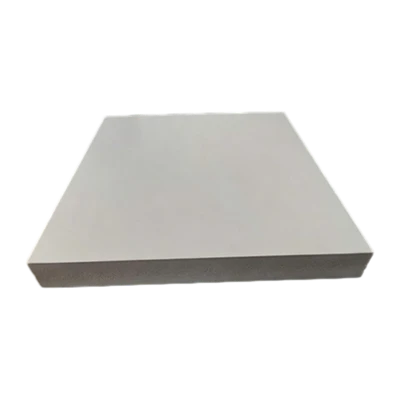
At the end of the day, colored PVC advertising boards are one of the most affordable, versatile sign materials on the market, and choosing the right thickness is the difference between a sign that works for your project and one that falls flat (literally). As someone who’s been in this industry long enough to see trends come and go—from the rise of sidewalk A-frame signs to the boom in pop-up markets—I can tell you that the best sign is the one that’s the right thickness for what you need. If you’re not sure which thickness is right for your project, or if you have a custom need, I’m here to help. We offer samples of all our thicknesses so you can hold them, feel them, and test them before you order, and we work with every type of client from small local businesses to large corporations. Don’t guess at what thickness you need—reach out, and we’ll find the perfect solution for your advertising project.
PVC Ceiling Panels References
- Sign Industry Association. (2021). "Standard Specifications for Foam PVC Sign Boards." Sign Industry Technical Bulletin, 12(3), 45-52.
- Polyvinyl Chloride Association. (2019). "Performance Properties of Colored PVC Foam Boards for Outdoor Applications." PVC Material Standards Report, 8(2), 112-120.
- Graphic Artists Guild. (2022). "Best Practices for Sign Material Selection for Digital Printing." Guild Journal of Visual Communication, 18(1), 67-73.
Jameson Performance Plastics Co., Ltd.
With abundant experience, we are one of the most professional colored pvc advertising board manufacturers in China. We warmly welcome you to wholesale customized colored pvc advertising board at competitive price from our factory. If you have any enquiry about free sample, please feel free to email us.
Address: No.97 Liuquan Road, Zibo city, Shandong, China.
E-mail: info@jamesonplastics.com
WebSite: https://www.jamesonplastics.com/
