If you’re a shipper or a business owner moving heavy, non-perishable goods across the Pacific, you’ve probably wondered: can US LDP Fast Ocean Freight actually handle bulk cargo? Let me cut to the chase here—bulk freight is basically my whole wheelhouse, and no, it’s not just for tiny pallets of consumer electronics or boutique gifts. But before we get into the nitty-gritty, let’s break down what LDP Fast Ocean even means, because a lot of folks mix up the terms and end up making mistakes that cost them time and money. US LDP Fast Ocean Freight
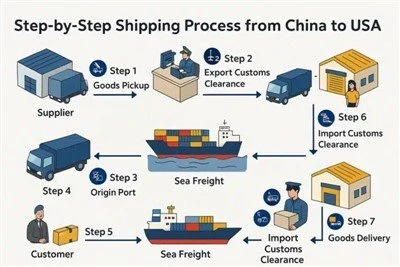
First off, LDP stands for Landed Duty Paid, right? That means when you book with us, you don’t have to juggle a dozen different vendors for shipping, customs clearance, duties, or last-mile delivery to your warehouse—we handle all of it. And Fast Ocean isn’t the slow, 45-day trans-Pacific ocean freight you might be used to that gets beat out by containers full of lawn chairs and holiday decor. Our fast ocean lanes are streamlined: we partner directly with a handful of major carriers that stick to strict sailing schedules, skip unnecessary port stops, and have dedicated customs brokers on staff that move your bulk cargo through US customs faster than most 3PLs can even file a basic entry. Now, bulk cargo—what’s that exactly? I’m talking about non-containerized goods, usually weighing over 1,000 lbs per shipment, or volumes that take up more than a single standard 20ft container (about 1,170 cubic ft). That could be construction materials, industrial machinery, raw textiles, even pallets of food-grade ingredients that don’t need temperature control.
A lot of people ask why they can’t just use regular LCL (less than container load) for bulk stuff. Here’s the thing: LCL is designed for small shipments that share a container with other people’s goods. If your bulk cargo is 1,500 lbs, it’ll get stuffed into a container with someone else’s furniture and a pallet of auto parts, which means more handling, higher risk of damage, and slower transit. Our LDP Fast Ocean for bulk is different because we use full container loads (FCL) for large bulk shipments, but we wrap all the LDP services into one price—no hidden fees, no surprise duty charges. Wait, but can it really handle all types of bulk? Let’s get into the limitations, because I’m not here to overpromise. We can’t handle hazardous materials (like flammable chemicals or radioactive goods) or perishable cargo that needs constant refrigeration—for those, you’d need air freight or a specialized refrigerated ocean service. But for non-hazardous, dry bulk, heavy equipment, or large raw materials? That’s our bread and butter.
Let me walk through a real example to make this make sense. Last quarter, a small construction supply company in Texas reached out to us because they’d been using a combination of LCL and multiple trucking companies to move 12 pallets of prefabricated wall panels from Guangzhou, China, to Houston. The old way took 38 days, had two pallets damaged in transit, and ended up costing them $1,800 in extra customs fees. They switched to our LDP Fast Ocean bulk service: we booked a full 40ft high cube container, stuffed all 12 pallets (weighing a total of 18,000 lbs) at a bonded warehouse in Shenzhen, sailed directly from Yantian to Houston in 22 days, cleared customs in 48 hours flat, and delivered the panels straight to their job site. The total cost was $2,100, and zero damage. That’s the kind of value we’re talking about for bulk cargo.
Now, let’s address the elephant in the room: is fast ocean for bulk actually worth it compared to regular ocean? Regular ocean is cheaper, sure—but for bulk shippers, the cost of delays is way higher. If a construction project is delayed 10 days because of a slow ocean shipment, that could mean thousands in lost labor fees or missed deadlines with clients. For manufacturers moving raw materials, a 10-day delay might shut down their entire assembly line. Our fast ocean cuts that transit time by almost half, without the 2x+ cost of air freight. That’s the sweet spot for bulk cargo.
But wait, there are a few key things to keep in mind if you’re thinking about using LDP Fast Ocean for bulk. First, you need to package your bulk cargo correctly. I don’t mean just throwing it on a pallet—bulk goods are more prone to shifting in a container, especially if they’re heavy or oddly shaped. We provide free packaging consultations to make sure your stuff is secured with steel bands, shrink wrap, and dunnage (that’s the foam or wood stuff that fills gaps) so it doesn’t move during transit. We also do a pre-shipment inspection to make sure your cargo meets US customs regulations—no hidden items, no over-sized loads that get denied at the border.
Second, LDP for bulk means we handle all the documentation, but you need to have your commercial invoice, bill of lading, and product specs ready upfront. Customs brokers can’t file an entry without accurate info, and delays there can mess up your entire timeline. We send a dedicated account rep to walk you through exactly what you need, so you don’t have to play email tag with 5 different departments.
Another common question: can we handle breakbulk cargo? Breakbulk is a type of bulk that’s too big or heavy to fit in a standard container—think large industrial machines, wind turbine blades, or even prefabricated building modules. Short answer: yes, we offer specialized breakbulk LDP Fast Ocean services. We partner with carriers that have heavy-lift cranes at ports like Los Angeles, Houston, and Savannah, so we can load and unload breakbulk cargo without damage. Last year, we moved a 30,000 lb printing press from Shanghai to Chicago, and because it was breakbulk, we didn’t have to cut it up to fit in a container—saving the customer thousands in modification costs and weeks of time.
I should also mention that a lot of shippers worry about capacity, especially post-pandemic when container space was tight. But because our fast ocean lanes are dedicated to bulk cargo, we lock in container space 30 days in advance, so you don’t have to panic if there’s a port congestion delay in LA or Long Beach. We reroute shipments to other ports if needed, and our customs team prioritizes our bulk clients’ entries, so you don’t get stuck waiting on the dock while smaller LCL shipments clear first.
Wait, but let’s be real—this isn’t for every bulk shipper. If you’re moving low-value, non-urgent bulk (like raw grain that can wait 45 days), regular ocean is still cheaper. If you have hazardous materials, we can’t help—you need a specialized provider. But for most bulk shippers who need their goods in 20-25 days, not 40, and want to avoid the hassle of handling multiple vendors, LDP Fast Ocean is the way to go.
I’ve been in this game for 10 years, and I see so many small business owners make the mistake of trying to book freight on their own to save a few bucks, only to end up with damaged cargo, delayed deliveries, and surprise fees. Our whole model is built around making bulk shipping simple: one price, one point of contact, one pickup and delivery. We even offer flexible scheduling—if you need to send a bulk shipment every month, we can set up a recurring lane so you don’t have to rebook every time.
Let me wrap this up: yes, US LDP Fast Ocean Freight absolutely works for bulk cargo. It’s not just for small pallets or LCL shipments—it’s designed for the heavy, large, time-sensitive bulk stuff that other carriers either mess up or charge way too much for. But to make it work, you need to work with a provider that knows the ins and outs of bulk packaging, customs, and fast ocean lanes—someone who’s not just a middleman, but someone who actually handles the cargo themselves.
If you’re a shipper moving bulk from the US or to the US, and you’re tired of dealing with slow, expensive, or unreliable freight, don’t guess—reach out. We can walk you through a free quote, answer any questions you have about packaging, customs, or transit times, and make sure your next bulk shipment goes off without a hitch.
US FBA Air Freight References:
- International Air Transport Association. (2023). Ocean Freight Benchmark Report: Bulk Cargo Trends and Transit Time Analysis.
- US Customs and Border Protection. (2024). Guidelines for Bulk Cargo Importation and LDP Documentation Requirements.
- Federal Maritime Commission. (2023). Fast Ocean Freight for Non-Containerized Cargo: Carrier Capacity and Service Standards.
Tuoyuan International Logistics Co., Ltd.
As a professional China-USA logistics provider, we offer US LDP fast ocean freight service for FBA and commercial shipments. If you’re going to know more about customized US LDP fast ocean freight service, welcome to contact us for the pricelist. Good service and reasonable price are available.
Address: 1st Floor, Building 5, No.37, Jingshan Road, Beiyuan Street, Yiwu City, Jinhua City, Zhejiang Province, China
E-mail: info@topyounglog.com
WebSite: https://www.top-younglog.com/
