Hey everyone! Let’s cut to the chase—if you’re thinking about getting into tumbler printing (or just leveling up your home hobby/side hustle), you’ve probably stared at that little desktop tumbler printing machine on Amazon or TikTok for, like, way too long. I’m not just some random blogger, by the way—I run a tumbler printing machine supply business, so I’ve talked to hundreds of home users and hobbyists who’ve bought those tiny desktop setups, used ’em, and come back with questions. Today I’m breaking down if they actually make sense for home use—no sales fluff, just the real tea. Tumbler Printing Machine
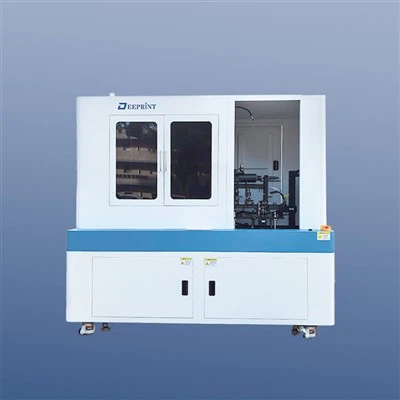
First, let’s get one thing straight: not all desktop tumbler printers are created equal. I’ve had customers come to me with stories of $100 Amazon “heat press knockoffs” that bent after 3 uses, or desktop sublimation printers that only print half a tumbler wrap because their bed’s too small. But when we’re talking about a decent, actual desktop model (not the junk that’s cluttering up cheap marketplaces), they’re designed specifically for home spaces—think small countertops, no fancy wiring, no 50-pound machines that need two people to move. That’s already a huge win for most people, right?
Let’s start with the home space thing. If you’re printing at home, your spare “work area” is probably the counter next to your coffee maker, a corner of your garage, or a tiny craft nook. I’ve seen industrial tumbler printers (the kind you see at big custom merch shops) and they’re monsters—like, 3 feet wide, 4 feet tall, weigh as much as a mini fridge. You can’t tuck that away when you’re done, and you definitely can’t use your dining table for anything else after firing it up. Desktop models? Most are 12-18 inches wide, weigh 10-20 pounds, and run on a standard 120V outlet—no 220V hookup required, no need to rearrange your entire apartment to fit. I had a customer last month who lives in a 500 sq ft studio apartment and uses his desktop tumbler printer on the kitchen island; he just wraps it in a towel when he’s done, no hassle. That’s a non-negotiable for most home users, so that’s a big plus right off the bat.
Next, let’s talk about skill level. A lot of home hobbyists don’t have a background in graphic design or industrial printing. I get it—you just want to print your cat’s face on a 20oz tumbler for your sister’s birthday, not spend weeks learning coding for a machine. Desktop tumbler printers are built for that. Most come with user-friendly software that lets you drag and drop images, adjust size, and even use pre-made tumbler wrap templates so you don’t have to fumble with sizing your design wrong (I swear, 80% of the beginner issues I see are people messing up the wrap size, which makes the whole design cut off). Compare that to big industrial printers that require a print operator to calibrate the bed, adjust pressure for different tumbler sizes, and troubleshoot half a dozen settings just to print one tumbler. For someone who’s just starting out, desktop models are way less intimidating—no need for a 2-day training course to figure out how to print a logo.
But wait—what about quality? That’s the big one, right? You don’t want a blurry print that peels off after a hand wash, no matter how small the machine is. Here’s the thing: a good desktop tumbler printing machine uses the same core tech as industrial ones—sublimation, heat transfer, or direct-to-garment (wait, no, direct-to-tumbler). Sublimation is the most common for these setups, because it binds the ink to the tumbler’s coating, so it doesn’t peel, fade, or crack, even after 50+ washes. I’ve seen customer tumblers printed on our mid-tier desktop model that still look sharp 6 months later, used daily for coffee. The only time quality suffers is if you get a super cheap, no-name desktop machine that skips on proper heat distribution—like, some of the $80 models on eBay have a heat press that’s too hot in the middle and too cold on the edges, so the print only sticks halfway. But if you go for a reputable desktop model (which, as a supplier, I’d always recommend avoiding the absolute cheapest ones), the quality is totally good enough for home use—even if you’re selling prints on Etsy. I have several home-based Etsy sellers who exclusively use desktop printers and make 30+ tumblers a week; they get 4-5 star reviews for print quality, no complaints about peeling or fading.
Now, let’s talk about scalability—because a lot of home users don’t just want to print for themselves. They want to turn a hobby into a little side hustle, right? So can a desktop machine handle that? Let’s be real: if you’re printing 100 tumblers a day, a desktop model might not keep up. Most can crank out 20-30 tumblers an hour, which is perfect for a side hustle (like, printing for local small businesses, or Etsy orders). But if you’re planning to do big bulk orders for a wedding or a company event, you might need something bigger. But for home use—whether that’s personal use, small gifts, or a part-time side hustle—desktop models are totally scalable. I had a customer who started with a $150 desktop printer in her home office, and now does 50 tumblers a week for local boutique coffee shops; she still uses the same desktop machine, she just upgraded a little on the heat press attachment for larger tumbler sizes. It’s not for full-time industrial production, but it’s more than enough for home-level demand.
Wait, but what about the hidden costs? A lot of people only look at the upfront price of the machine, and forget about supplies. Desktop tumbler printing uses ink cartridges, sublimation paper, tumbler blanks, and a heat source (some desktop printers come with a small heat press attachment, which is part of the package). The good news is that these supplies are way cheaper for desktop setups, because they’re mass-produced for home users. Industrial printers use specialized, bulk ink that’s way more expensive, but desktop ones use standard sublimation ink cartridges that you can even refill yourself to save money. I tell all my home customers that supplies for a desktop setup are about $0.50-$1 per tumbler, which is way lower than you’d think—so you can price your tumblers at $15-$20 each and still make a profit on a side hustle. That’s a big difference from industrial setups, which have much higher per-unit costs.
But let’s not sugarcoat the downsides, because that’s what you need to know to make a real decision. The biggest con is size limits. Desktop machines are made for standard tumbler sizes—usually 12oz, 20oz, 30oz. If you want to print on a 40oz or a skinny tumbler with a complicated shape, some smaller desktop models won’t have a heat press that can wrap all the way around. Also, the print resolution is a little lower than industrial ones—so if you’re printing a super detailed, high-res logo (like a small business’s brand logo with tiny text), some budget desktop machines might blur that. That’s not a problem for personal use or casual side hustles, but if you need super high detail for professional orders, you might want to step up. Another downside: some desktop models require you to print the design on sublimation paper first, then press it onto the tumbler—so you have to deal with trimming the paper, which takes an extra 30 seconds per tumbler. It’s not a big deal for small batches, but if you’re printing 100 tumblers a day, that extra time adds up.
Now, let’s get to who this is actually for. If you’re a hobbyist who wants to print custom tumblers for yourself, your family, and friends—desktop is perfect. If you’re a small Etsy seller or home-based side hustler doing 20-30 tumblers a week—desktop is more than enough. If you live in a small space, don’t want to deal with bulky equipment, and don’t need to print super high-volume or super detailed designs—desktop is the way to go. But if you’re planning to print 100+ tumblers a day for a big business, or you need to print on non-standard sizes (like water bottles, mugs, or larger drinkware), then you might want to look at a mid-sized, semi-industrial machine. But 90% of home users don’t need that—they just need something that fits in their kitchen, is easy to use, and prints good-looking tumblers.
As a supplier, I’ll be straight: I see way more people regret buying a big industrial machine for home use than regret buying a decent desktop one. I had a guy come to me last year who spent $1,200 on an industrial tumbler printer for his home garage, and now it just sits there because it’s too big to move, takes 2 hours to set up for each use, and he can only print 10 tumblers a day before it overheats. Meanwhile, his neighbor spent $300 on a desktop printer, prints 25 tumblers a week for her Etsy shop, and makes back the cost of the machine in 2 months. That’s the real difference.
Wait, another thing: maintenance. Desktop machines are way easier to clean and fix. If a clog happens in the ink cartridge, you can just replace it—no need to call a technician, which is a huge plus for home users who don’t want to deal with service calls. Industrial machines require regular deep cleaning, calibration, and parts replacement that you can’t do at home, so you have to pay someone to service it. That’s a big ongoing cost most home users don’t account for.
Let’s wrap this up with a quick recap to make it easy:
- Pros of desktop tumbler printers for home use: Small size fits most home spaces, easy to operate for beginners, low per-unit supply cost, affordable upfront, low maintenance.
- Cons: Limited to standard tumbler sizes, lower max volume than industrial machines, slightly lower resolution for super detailed designs.
- Verdict: If home use means personal gifts, small batches for friends, or a part-time side hustle with 30 tumblers or less a week—yes, a decent desktop tumbler printing machine is amazing for home use. If you need bulk industrial-level production or print on non-standard sizes, skip it.

If you’re thinking about picking one up and want to chat more about which model fits your space or goals—whether you’re just testing the waters or ready to start a side hustle—feel free to reach out to us. We can walk you through different options, answer any questions you have, and help you find a setup that works for your home and budget.
Flatbed Printer References:
- Sublimation Printing for Home-Based Tumbler Businesses, Craft & Hobby Association, 2023
- Small Space Equipment Guide for Home Crafters, Craft Industry Alliance, 2024
- Cost Comparison of Tumbler Printing Setups for Home Use, Etsy Seller Business Resource Hub, 2023
Shenzhen Deeprint Technology Co., Ltd.
As one of the most professional tumbler printing machine manufacturers and suppliers in China, we’re featured by quality products and good service. Please rest assured to buy customized tumbler printing machine made in China here from our factory. Contact us for free sample.
Address: 6-1, Huangwu Road, Tongle Community, Baolong Street, Longgang District, Shenzhen City 518100, China.
E-mail: ellen@uvdprint.com
WebSite: https://www.uvd-print.com/
