Hey there, if you’re here, chances are you’ve been staring at a wobbly outdoor shelf, a sagging gate bracket, or maybe even a set of solar panels that won’t stay put when it rains. I’ve been there—literally, I’ve spent the last 12 years selling support brackets, and let me tell you, picking the right one for outdoor use isn’t as simple as grabbing the shiniest one at the hardware store. Last month alone, I had three customers come back upset because their “weatherproof” brackets rusted through in 6 months, or they bent under the weight of a simple wooden bench. So today, let’s cut through the noise and talk about exactly what type of outdoor support bracket you actually need—no jargon, no fluffy marketing lines, just real talk from a guy who’s dealt with way too many broken brackets. Support Bracket
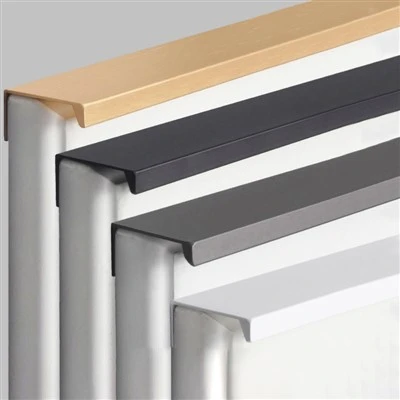
First off, let’s get one thing straight: outdoor brackets have a totally different job than indoor ones. Indoors, you might get a little dust, maybe a spill if you’re clumsy (guilty), but outdoors you’re fighting three big enemies: moisture (rain, snow, humidity), UV rays (sun that fades paint and breaks down materials), and physical stress (wind, snow load, the occasional drunk neighbor leaning on your fence, hey it happens). I’ve seen customers use plain steel brackets for a deck that gets pounded by Pacific Northwest rain—total disaster, those rust holes will start in 3 months. So material is step one, and it’s non-negotiable.
Let’s break down the most common materials, the pros and cons, and when you should actually use each one. First up, hot-dip galvanized steel. This is my bread and butter, honestly. Hot-dip galvanizing isn’t just a thin spray-on coating—you dip the entire steel bracket into molten zinc, so every nook and cranny, every sharp edge, gets sealed with a thick zinc layer that acts like a shield. The zinc corrodes first, not the steel underneath, so it lasts way longer than regular steel with a paint job. I have a customer in Minnesota who’s had our hot-dip galvanized brackets holding up a 10-foot wooden porch swing for 8 years, no rust, no bend. The only downside? It’s not the prettiest—matte gray, a little industrial. That’s why it’s perfect for things like fence posts, deck joists, pergola beams, anywhere looks don’t matter as much as durability. If you’re building a raised garden bed that will get splashed all the time, or a storage shed bracket, this is your guy.
Next, stainless steel. Now, this is the fancy option, and it’s worth every extra penny if you need it. Not all stainless steel is created equal, though—stay away from the cheap 200 series stuff, that’ll rust just as bad as regular steel if it’s near salt air (hello, coastal areas). Go for 304 or 316 stainless. 304 is great for most places: backyards, patios, anywhere that gets rain but not constant salt spray. 316 is the marine grade—if you live within 500 feet of the ocean, near a lake with salt runoff, or even a place where they salt the roads in winter, this is non-negotiable. I had a customer in Florida call me last year because his 304 brackets on his dock were getting pitted from salt water—switched to 316, no issues since. The big plus for stainless is it looks good, so you can use it for things like outdoor shelving for your grill area, mounting your TV’s outdoor bracket, or even decorative bench legs. It’s smooth, doesn’t need any maintenance, and won’t rust. Downside? It’s pricier, and you don’t want to waste it on a fence post where no one’s going to see it—why pay extra for something you can’t even tell is stainless?
Then there’s aluminum. Aluminum is light, super resistant to rust, and it looks sleek. It’s not as strong as steel, though—so don’t use it for heavy loads. I see people mess this up all the time: they grab an aluminum bracket for a 20-pound firewood shelf, and it’s fine, but try using it for a 100-pound wooden bench seat, and it’ll bend faster than a straw. Aluminum is perfect for lighter outdoor projects: mounting curtain rods on a covered porch, holding up outdoor string lights wires, small garden trellises, or even the brackets for your outdoor AC unit (as long as the AC is light enough). It also doesn’t need any painting, so it’s low-maintenance, which is great if you hate doing upkeep. Just a heads up: if you scratch aluminum, it can develop a white powdery patina over time, but that’s just oxidation, not rust, and it doesn’t affect the strength. Most people don’t even notice it, so it’s not a big deal for most uses.
Wait, what about those fancy plastic or composite brackets I see at the store? I get the appeal—cheap, lightweight, no rust. But let’s be real: composite materials break down in sunlight. I had a customer buy a set of plastic brackets for his fence gate, and by the end of the first summer, they were brittle and cracked. UV rays make plastic get weak and snap, especially if it’s a hot climate. They’re fine for tiny, low-stuff things, like holding up a small bird feeder pole or a garden sign, but don’t trust them for anything that needs to support more than like 10 pounds. I’d never recommend them for deck or fence projects, personally.
Okay, so you’ve picked your material—now what type of bracket shape do you need? Because even the best steel in the world won’t work if the shape is wrong for your project. Let’s go through the most common outdoor uses and the bracket shapes that work best.
First, L-brackets. These are the basic right-angle brackets, the ones everyone knows. They’re for connecting two pieces at a 90-degree angle—like attaching a shelf to a wall, or a joist to a deck frame. But not all L-brackets are equal for outdoor use. Look for ones with extra-wide flanges, like 2 inches or more, not the tiny 1-inch ones you see for indoor shelves. A wide flange distributes the weight better, so you don’t have to drill extra holes that weaken the wood. For outdoor L-brackets, I also recommend getting ones with reinforced gussets—those little triangular ridges on the inside of the L. They add extra strength, so the bracket doesn’t bend when you put something heavy on it. My go-to for basic deck joist connections are our hot-dip galvanized L-brackets with gussets—they’ve never let me down.
Then there’s T-brackets. These are for when you need to connect three pieces, or add extra support to a beam that’s sagging. Like if you have a pergola that’s starting to bow in the middle, you can use a T-bracket to attach a center beam between two side beams, taking the weight off the sagging part. T-brackets are also great for fence posts—if your fence post is wobbly, a T-bracket that attaches the post to a horizontal rail will add way more stability than an L-bracket. I actually had a customer last month who fixed his leaning fence by adding T-brackets every 4 feet along the rails—took him an hour, and it’s been straight ever since. That’s way easier than digging a new post, trust me.
Heavy-duty angle brackets, sometimes called structural brackets. These are the big boys—used for things like attaching a porch beam to the house, supporting a large deck, or holding up a swing set. They’re thicker, heavier, designed for loads that are 500 pounds or more. I always recommend using structural brackets instead of regular L-brackets for these big jobs. Our hot-dip galvanized structural brackets have a 1/4-inch steel thickness, so they can hold a full adult swing set no problem. One thing people get wrong here: size matters. Don’t get a 4-inch structural bracket for a 12-foot deck—go bigger if you need it. Always check the weight rating, that’s not something you can guess at.
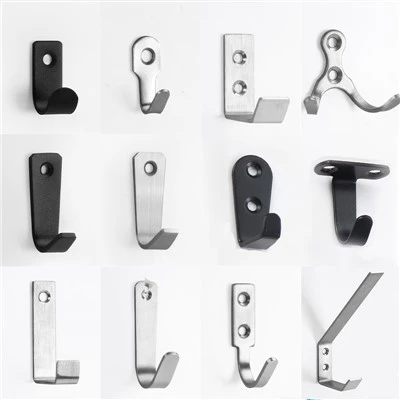
Then there’s J-brackets or hook brackets. These are for when you need to hang something, not just hold something in place. Like hanging a planter on the side of your house, or a bird feeder, or outdoor lighting. For outdoor use, J-brackets need to be sturdy enough to hold the weight—don’t use a tiny 3-inch hook bracket for a 50-pound concrete planter. Also, make sure they’re designed for outdoor use—some cheap hook brackets will bend under the weight or rust fast. Our stainless steel J-brackets are super popular for hanging string lights and patio heaters, they look nice and don’t rust even if they get splashed.
Wait, there’s another type I need to mention: adjustable brackets. If you’re doing something a little custom, like building a sloped roof for a pergola, or a table that’s not perfectly level, adjustable brackets are a lifesaver. They let you tilt or angle the connection, so you don’t have to cut pieces perfectly straight. For outdoor use, get adjustable brackets made from hot-dip galvanized steel—they’re strong and won’t move over time due to wind or settling. I helped a customer last year build a raised bed with a sloped top to drain rain, and adjustable brackets let us fit the pieces without any messy modifications. That project would’ve been a nightmare with fixed-angle brackets.
Now, let’s talk about some common mistakes people make that turn even the best brackets into junk. First, not using the right size screws. I can’t stress this enough. Outdoor brackets need outdoor screws—regular Phillips head screws will rust and snap in no time. Use corrosion-resistant screws that match your bracket material: if you have a hot-dip galvanized bracket, use galvanized screws. If you have stainless steel, use stainless steel screws. Also, use the right length screw—usually 2.5 inches for 2×4 lumber, 3 inches for 2×6. If the screw is too short, it won’t go deep enough into the wood to hold weight. If it’s too long, it’ll poke out the other side and ruin whatever you’re connecting.
Second, not pre-drilling holes. This is huge, especially with hard woods like cedar or pressure-treated wood. If you try to screw a bracket into wood without drilling a pilot hole, the wood will split, and the screw won’t grip. Pre-drill a hole that’s slightly smaller than the screw, and you’ll get a tight, strong hold that lasts for years.
Third, ignoring environmental factors. Like I said earlier, salt air means 316 stainless, not 304. Windy area? Get a bracket with extra flanges, maybe add an extra screw. Heavy snow load? Go for structural brackets, not standard ones. I had a customer in Colorado last year skip that—he used regular L-brackets for his garden shed roof, and a big snow load bent the brackets in a few months. Switched to our heavy-duty galvanized brackets, no issues.
Fourth, not maintaining them, even if they’re “weatherproof.” Hot-dip galvanized brackets can get white zinc deposits (that’s called white rust) if they sit in standing water for a long time. It’s not harmful, just a little ugly—you can wipe it off with a rag and water, no big deal. Stainless steel will smudge sometimes, especially near barbecue areas, a quick wipe with a damp cloth keeps them looking good. If you have aluminum, occasional soap and water is all it takes to keep it looking sleek. You don’t have to paint them or anything, just a little upkeep goes a long way.
Let me give you a quick cheat sheet to make this even easier, okay? If you’re building:
- A basic fence, deck joists, shed frame, raised garden bed: Hot-dip galvanized steel L or T brackets, regular screws, pre-drill holes.
- Outdoor shelving, TV mounts, grill area, coastal projects: 316 stainless steel L or J brackets, matching stainless screws.
- Lightweight projects: String lights, curtain rods, small trellises: Aluminum brackets, aluminum screws.
- Heavy stuff: Porch beams, swing sets, large decks: Structural hot-dip galvanized brackets, long heavy-duty screws.
Look, I know picking the right bracket can feel overwhelming, but it doesn’t have to be. I’ve been doing this long enough that I can tell you exactly what you need based on your project, no sales pitch, no gimmicks. I’ve worked with homeowners, contractors, even small business owners building outdoor patios and restaurants. If you’re not sure what type you need, just reach out—we can chat about your project, send you samples if you want, and help you get the right brackets that’ll last for years, not months. At the end of the day, the last thing anyone wants is to fix a broken bracket in the rain, right? So don’t guess, get it right the first time. Drop us a line to talk through your outdoor bracket needs, and we’ll make sure you have exactly what you need to get the job done right.
Clothes Rack References:
- American Galvanizers Association. (2022). Hot-Dip Galvanizing for Outdoor Structural Applications. Retrieved from industry technical guides on corrosion resistance for steel components.
- Stainless Steel Industry Association. (2021). Grade Selection for Outdoor and Coastal Environments. Technical bulletin on material performance in atmospheric and marine exposure.
- Outdoor Power Equipment Institute. (2023). Load Rating Guidelines for Residential Outdoor Structural Hardware. Consumer guide to selecting hardware for deck, fence, and patio projects.
- Wood Industry Association. (2022). Fastener and Bracket Installation Best Practices for Exterior Wood Applications. Guide to proper drilling, screw sizing, and bracket installation for outdoor projects.
Guangzhou Fengcheng Industrial Co., Ltd.
As one of the most professional support bracket manufacturers and suppliers in China, we’re featured by quality products and good price. Please rest assured to buy bulk support bracket for sale here and get quotation from our factory. We also accept customized orders.
Address: Building 48, Wanyang Zhongchuang City, No.9 Jiangmin Road, Jiangmin Village, Dasha Town, Sihui City, Zhaoqing, Guangdong, China
E-mail: fc223228@163.com
WebSite: https://www.foncher.com/
