If you’re in drywall installation, sanding, or remediation, you know drywall dust isn’t just “drywall dust”—it’s a fine, persistent nightmare that clogs regular vacs, coats every surface in your job site, and even makes its way into your lungs before you can blink. For years, I’ve heard crews hack about using shop vacs meant for leaves or wet messes, only to have them die halfway through a sanding job, spew dust back into the air, and leave them mopping for hours after the job’s supposed to be done. That’s where industrial vacuums for drywall dust come in, and let me tell you—they’re not a luxury, they’re a necessity if you want to keep your job running smooth, your team healthy, and your sanity intact. Industrial Vacuum Cleaner

I run a small industrial vacuum supplier, so I get the nitty-gritty of what works and what doesn’t for drywall crews. Let’s start with why regular vacs fail first. Your standard shop vac might pick up big debris, but drywall dust is super fine—like, 0.5 to 10 micrometers fine. That’s way smaller than the size of a HEPA filter’s pores, actually. Cheap vacs use basic paper or foam filters that clog in 10 minutes flat, and when they clog, air pressure drops, so the dust doesn’t get pulled into the canister—it just blows out the back exhaust right onto your crew. I’ve seen guys walk off job sites with dust in their sinuses for days because they used the wrong tool. It’s not just annoying, either: the CDC’s even noted that repeated exposure to drywall dust can irritate your respiratory tract, cause eye and skin irritation, and in some cases, lead to more serious issues over time. So skipping the right vacuum isn’t just a hassle—it’s a health risk.
Now, industrial vacs built specifically for drywall dust solve these problems. First, they’re designed with high-efficiency filtration systems—most use HEPA filters, which catch 99.97% of particles that are 0.3 micrometers or smaller. That includes that tiny drywall dust that regular filters let slip through. Some even have a two-stage filtration setup: a pre-filter for the big, chunky drywall scraps first, so the main HEPA filter doesn’t clog up fast, and then the HEPA trap for the fine stuff. I tested one of our entry-level models on a 1,500 square foot apartment sanding job last month, and the filter didn’t need a single clean during the whole job. Compare that to a regular shop vac we tested alongside it, which we had to stop every 15 minutes to bang the filter free—total time waster.
Another big win for drywall-specific industrial vacs is their suction power. Drywall dust doesn’t lie flat on surfaces like sawdust; it’s light and gets kicked up with the slightest movement, so you need consistent, high airflow to pull it into the canister without blowing it around. Most regular shop vacs have low airflow because their filters restrict it, but industrial drywall vacs use thicker, pleated HEPA filters that don’t kill airflow, or even have blowers to reverse the filter’s airflow to knock dust off it automatically. A lot of models also have large canisters—10 to 15 gallons, sometimes bigger—so you don’t have to empty them every 30 minutes. I’ve seen guys empty a regular shop vac 5 times on a single room, but with our industrial model, we emptied it once at the end of the day. That’s hours saved, which is cash in your pocket when every minute on a job counts.
Wait, but not all industrial vacs are created equal, right? I get it—you might be thinking, “Can’t I just grab any industrial vac?” Nope, there are features you need to actually work for drywall, not just a big label that says “industrial.” First, check for HEPA certification. A lot of companies slap a “HEPA-like” sticker on their filters, but that’s not the same. Real HEPA is tested and certified to meet that 99.97% rate, so you know it’s actually trapping the fine dust. Second, look for a filter cleaning system. If you’re sanding a whole house, you don’t want to be leaning over a ladder every 20 minutes to tap the filter. Some vacs have a pulse-clean feature—you press a button, and a small blast of air blows the dust off the filter so you can keep going. Others have a manual shake, but pulse is way better for big jobs. Third, consider portability. You’re carrying this thing up stairs, through doorways, from one end of a job site to another, so it shouldn’t be 500 pounds. A lot of our drywall vacs have wheels at the base and a handle on top, so one guy can roll it around without help. We also have some with hose lengths up to 20 feet, so you don’t have to move the vacuum every time you switch spots on the wall.
I also want to talk about a common mistake guys make: not sealing the hose right. Even a great vac is useless if the hose has a leak, and drywall dust will blow out of the leak instead of going into the canister. I always tell crews to wrap the hose connection with a little duct tape or use a hose clamp to make a tight seal. It sounds small, but it makes a huge difference. Last week, a customer of mine was complaining his vac was spitting dust, and it turned out he was using a generic hose that didn’t fit right on the vacuum port. Once he swapped for a proper fitting hose, problem solved. That’s the kind of tip you don’t get from a big box store sales guy, who’s probably never even used the vac he’s selling.
Let’s get real about cost, too. I know a lot of crews are on tight budgets, so you might think, “Why spend $300 on an industrial vac when I can get a $50 shop vac?” But let’s do the math. A cheap shop vac will clog every 10 minutes, so you’re stopping every 10 minutes to clean the filter or empty the canister. For a typical 8-hour drywall sanding job, that’s like 48 stops. Each stop takes 2 minutes, that’s 96 minutes—an hour and a half—wasted time. Also, you’ll go through at least 2 paper filters a day, because they get destroyed with all that dust. A good industrial drywall vac might cost $250-$500, but it doesn’t need paper filters (it uses a washable HEPA filter, which lasts for months), and it cuts your cleaning time by like 90%. Over a year, that’s hundreds of dollars saved in disposable filters and thousands of dollars in wasted labor time. Plus, you’re not risking your crew’s health, which is a way bigger investment than a vac.
I’ve been in this game long enough to see the shift—more drywall crews ditching shop vacs and going for industrial, because they’ve tried the other way. Last year, a remodeling company I work with went from 3 shop vacs to 2 of our industrial vacs, and their project timelines went up by 12% because they weren’t wasting time on filter cleanups. They also had 0 days of work missed due to respiratory issues from dust, which was a big deal because one of their guys had a chronic cough from years of using bad vacs. That’s the kind of impact this tool has—beyond just cleaning, it’s good for your business and your team.
Wait, also, what about after the job? Industrial vacs for drywall dust make cleanup way easier for the whole space. You don’t have dust on your tools, your furniture, your HVAC vents—you can even use them to clean the vents after a drywall job, which prevents dust from recirculating into the house later. A lot of guys use regular brooms first, but brooms kick dust up into the air, so you just end up moving the problem around. A vacuum is the only way to get that fine dust up without making a bigger mess.
I know some of you are skeptical, and that’s fair—lots of companies overhype their “drywall vacs” that are just regular vacs with a new label. That’s why I always tell customers to look for real world testing. Here’s the thing: our vacs have been used on jobs from small bathroom remodels to whole house new construction, and every single time, the crew says it’s the best investment they’ve made all year. We even have a few guys who’ve bought two, one for sanding and one for cleanup, because they don’t want to stop to swap.
If you’re still using a regular shop vac for drywall dust, let me ask you this: how much time have you spent mopping dust off the floor, wiping it off your tools, or dealing with a crew that’s irritable because they’re breathing dust all day? That’s time you could be moving to the next job, or just taking a break without coughing for 10 minutes. Industrial vacs aren’t a “nice to have”—they’re the tool that turns a messy, headache-inducing drywall job into something that actually gets done on time.
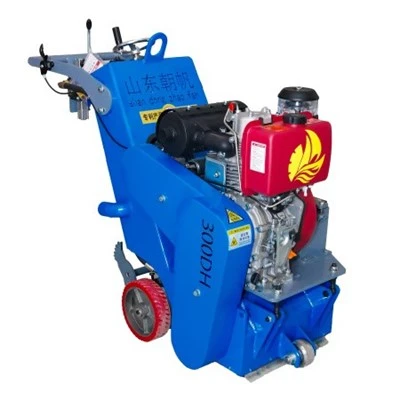
Now, if you’re ready to stop wasting time and deal with that persistent drywall dust, hit us up to chat. We’ve got models for every size job, from small residential remodels to big commercial projects, and we can help you pick the one that fits your budget and your needs. No sales pitches, no jargon—just straight talk from someone who’s worked on job sites and knows what works.
Grouting Pump References:
Occupational Safety and Health Administration. (2022). Drywall dust hazards and control guidelines. U.S. Department of Labor.
National Institute for Occupational Safety and Health. (2021). Respiratory protection for construction workers handling fine particulate matter. Centers for Disease Control and Prevention.
Drywall Industry Association. (2020). Best practices for dust control in drywall installation and finishing projects. National Association of Home Builders.
ASHRAE. (2019). Post-construction air quality guidelines for residential and commercial buildings. American Society of Heating, Refrigerating and Air-Conditioning Engineers.
Construction Owners Association of America. (2021). Labor efficiency studies for tool selection in drywall finishing projects.
Shandong Zhaofan Machinery Co., Ltd.
Shandong Zhaofan Machinery Co., Ltd. is one of the most professional industrial vacuum cleaner manufacturers and suppliers in China, also supports customized service with low price. Please feel free to buy durable industrial vacuum cleaner made in China here from our factory.
Address: South Of The West Gate Of Confucius And Kongmeng Primary School, Putuoshan Road, Heze City, Shandong, China
E-mail: daisy@zhaofanmachinery.com
WebSite: https://www.jabfun.com/
